Cornwall Woman Drives 94 Miles to Deposit £900 HMRC Cheque After Lloyds Ends Post Office Service
After Lloyds Banking Group ended cheque deposits at Post Office branches, a Cornwall resident travelled 94 miles to bank a £900 HMRC cheque, highlighting rural access issues in the shift to digital banking.
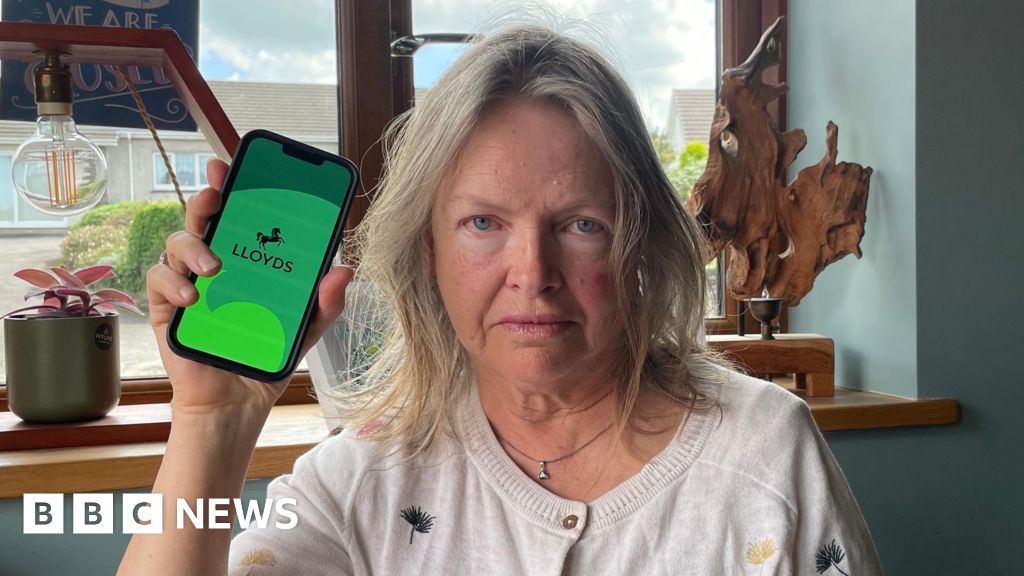
Annabel Yates from Crackington Haven in Cornwall is sat down looking straight at the camera. She has a frown on her face and is holding up a phone with the Lloyds loading screen on it.
Annabel Yates drove 94 miles to deposit a £900 HMRC cheque after Lloyds Banking Group stopped accepting cheques at Post Office branches, highlighting a gap in digital‑only services for rural customers.
Cheques now represent just 0.1% of UK payments, yet the incident raises questions about accessibility for those unable to rely on mobile apps.
Lloyds Banking Group ended its Post Office cheque‑deposit service in January 2024, directing customers to use its mobile app, visit a branch, or use a freepost option. Annabel Yates, from Crackington Haven in Cornwall, received a £900 cheque from HM Revenue and Customs that lacked perforated edges, preventing her from scanning it with her bank’s app. Her local post office refused the deposit, leaving her no nearby alternative.
She travelled 94 miles (150 km) to the nearest Lloyds branch in Truro to complete the transaction. Yates criticised the bank’s reliance on app‑based banking as "very backwards thinking," saying not everyone can depend on a smartphone for financial services. She also noted the freepost service felt risky for a large sum she could not guarantee would arrive safely.
Lloyds Banking Group (LLOY.L) shares were trading at 52.3p, down 0.3% in early session, giving the bank a market capitalisation of roughly £28 billion. The bank cited industry data showing cheques accounted for only 0.1% of all UK payments in 2024, a continuation of a long‑term decline driven by debit cards, mobile wallets and online transfers.
The episode underscores the tension between cost‑cutting digital shifts and the needs of customers who lack reliable internet access or prefer paper instruments. While Lloyds offers a freepost cheque‑deposit route, the requirement to mail a high‑value instrument deterred Yates, illustrating how alternative channels may not fully replace in‑person options for certain demographics.
Looking ahead, watch for Lloyds’ response to rural‑access concerns, any potential revision of its freepost terms, and the impact of new banking hubs—such as the planned facility in Bude—on cheque‑handling capabilities.
Continue reading
More in this thread
Mobix Labs Completes $3.80‑per‑Share Cash Acquisition of EMCORE, Ending Nasdaq Trading
David Amara
NEC Completes $80.70‑Per‑Share Cash Buyout of CSG Systems, Repays $125M Debt and Ousts CEO
David Amara
Cerebras IPO Prices at $185 per Share, Raises $5.55 Billion After 25x Oversubscription
David Amara
Conversation
Reader notes
Loading comments...