Connecticut Senate Advances Micro‑Transit, AI Funding While Eviction Reform Stalls
Connecticut Senate passes low‑cost micro‑transit and AI funding bills while a no‑fault eviction ban dies for the fourth session.
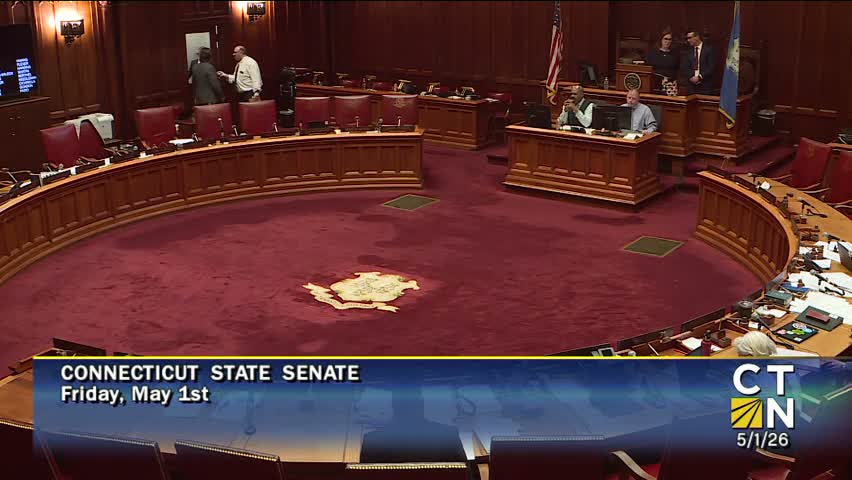
*TL;DR Connecticut’s Senate approved a low‑cost micro‑transit program and a small‑business AI funding bill, while the effort to end no‑fault evictions failed for the fourth consecutive session.
Context The 2026 legislative session has seen a mix of transportation innovation, tech investment, and housing policy deadlock. Lawmakers are balancing commuter needs, economic competitiveness, and tenant protections amid rising costs and a tight housing market.
Key Facts - Senate Bill 9 creates a state‑subsidized micro‑transit service with rides priced between $0.85 and $4, matching public‑transport fares. The bill extends a pilot program for a year, directs the Department of Transportation to allocate $4 million to expand Shore Line East rail service, and funds free bus passes for students and veterans. - Senate Bill 417, cleared unanimously by the House, earmarks money for small businesses to adopt artificial‑intelligence tools and requires them to develop employee‑retention plans, aiming to boost productivity and keep workers in place. - Senate Bill 257, which would have required landlords to state a reason before evicting tenants and thus ended no‑fault evictions, died without a vote. This marks the fourth straight session the proposal has failed, despite Senate leadership claiming sufficient votes; the House never brought it to the floor.
What It Means The micro‑transit approval signals a push for affordable, on‑demand rides that could reduce car dependence and support commuters in areas underserved by traditional buses. By tying $4 million of rail funding to the initiative, the Senate signals a broader strategy to integrate various transit modes. The AI funding bill positions Connecticut to attract tech‑savvy firms and help existing small businesses modernize, while the retention‑plan requirement may curb turnover in a tight labor market. Conversely, the eviction bill’s demise leaves renters vulnerable to lease‑end terminations, especially in large apartment complexes where no‑fault evictions are common. Protections remain only for seniors and people with disabilities, highlighting a policy gap that advocates will likely press in the next session.
Looking Ahead Watch for the House’s response to the micro‑transit and AI bills and for renewed attempts to revive eviction reform in the 2027 session.
Continue reading
More in this thread
Brazilian Judge Suspends Law That Could Slash Bolsonaro's 27‑Year Sentence
Nadia Okafor
Fact‑check: Lambeth Council election seat and turnout claims are inaccurate
Nadia Okafor
Paraguay Reaffirms Taiwan Ties Amid Chinese Pressure, Announces Poultry Market Access
Nadia Okafor
Conversation
Reader notes
Loading comments...