Connecticut Senate Advances Micro‑Transit and AI Aid While Eviction Reform Stalls
Connecticut Senate passes low‑cost micro‑transit and AI support bills while a no‑fault eviction reform fails for the fourth session.
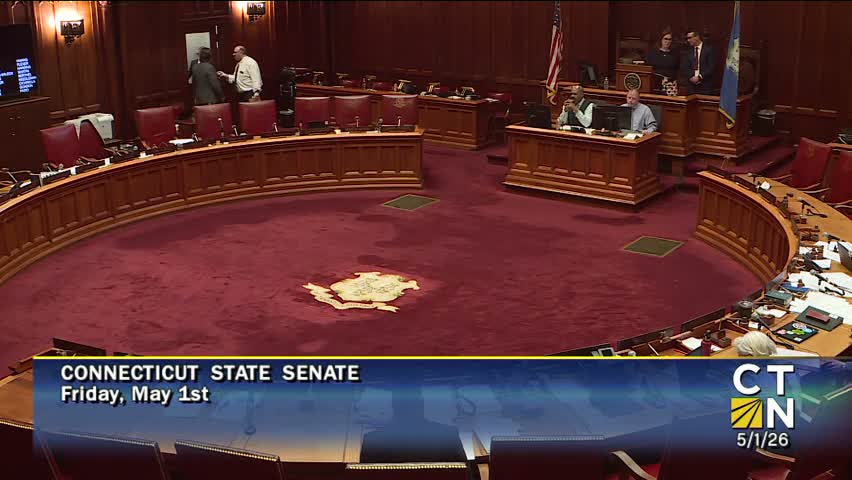
*TL;DR Connecticut’s Senate approved a low‑cost micro‑transit program and a state AI‑assistance fund for small businesses, while a bill to end no‑fault evictions failed to receive a vote for the fourth consecutive session.
Context The 2026 legislative session has been marked by mixed progress on transportation, technology, and housing policy. Lawmakers have pushed forward on commuter options and AI adoption, yet a long‑standing eviction reform effort remains deadlocked.
Key Facts - Senate Bill 9 creates a subsidized micro‑transit service with rides priced between $0.85 and $4, matching public‑transport fares. The bill extends a pilot program for a year, directs the Department of Transportation to allocate $4 million to boost Shore Line East rail service, and funds free bus passes for students and veterans. - Senate Bill 417, unanimously passed by the House, establishes a state program that offers financial support to small businesses that adopt artificial‑intelligence tools. Recipients must develop a plan for workers whose jobs may be displaced by the technology. - Senate Bill 257, which would have required landlords to state a reason before evicting tenants and thus ended no‑fault evictions, died without a vote. This marks the fourth session the bill has failed to advance, despite Senate leadership claiming sufficient votes; the House did not bring it forward.
What It Means The micro‑transit law expands affordable, on‑demand rides that operate like rideshare apps but are subsidized to keep costs low, potentially easing commuter congestion and providing a model for future funding of flexible transit. The AI‑aid bill signals state support for modernizing small‑business operations while mandating workforce transition plans, a move that could shape Connecticut’s competitive edge in tech adoption. Conversely, the repeated failure of the eviction reform bill leaves renters vulnerable to lease‑end evictions without cause, maintaining the status quo for larger apartment complexes. Advocates note that protections already exist for seniors and disabled tenants, but the broader no‑fault safeguard remains absent. Watch the upcoming special session for any revival of eviction legislation and for budget allocations that will determine the long‑term viability of the micro‑transit pilot.
Continue reading
More in this thread
Conversation
Reader notes
Loading comments...