Colorado Legislature Approves Wolf Funding, $5 Crossing Fee, and Stricter Bear-Luring Rules
Colorado’s 2026 session secures wolf funding, creates a $5 crossing fee, and toughens bear‑luring laws to reduce wildlife conflicts.
TL;DR
Colorado’s 2026 legislature preserved wolf reintroduction funding, approved an optional $5 fee on vehicle registrations to build wildlife crossings, and enacted stricter penalties for feeding bears.
Context Lawmakers convened in Denver for the 2026 session facing a $1.5 billion budget shortfall. Over 600 bills were introduced, with several directly affecting Colorado Parks and Wildlife. Discussions ranged from wolf management to road safety and bear‑human interactions. The session concluded on May 13, leaving a suite of measures that will shape wildlife policy for years.
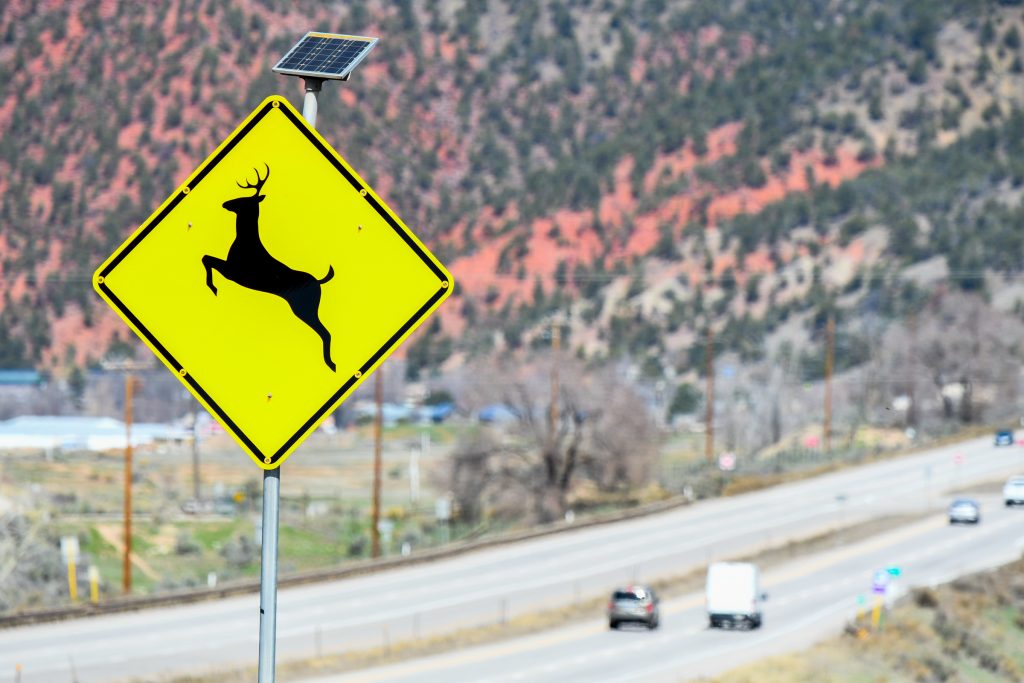
Key Facts Despite heated debate over spending taxpayer money on wolves during tight budget times, Dan Gibbs, executive director of the Colorado Department of Natural Resources, said CPW lost no funding for the wolf reintroduction plan through the General Assembly. The agency retains its $2.1 million annual general‑fund allocation and $350,000 for rancher compensation. Senator Dylan Roberts highlighted that wildlife crossings and fencing cut vehicle‑wildlife collisions by more than 90 %. He argued the infrastructure fixes a problem almost immediately once built. The approved Senate Bill 141 adds an optional $5 fee to annual vehicle registrations; projections show it could raise about $2 million in the first six months and $4 million each year thereafter. Seventy‑five percent of the revenue funds a Collision Prevention Fund overseen by the Department of Transportation, while the remainder supports Parks and Wildlife’s cash fund for connectivity projects. Frank McGee warned that bears habituated to human food often cannot be relocated and may need to be euthanized to protect public safety. In response, legislators tightened bear‑luring laws, increasing fines and clarifying that intentionally feeding bears constitutes a violation.
What It Means The preserved wolf funding signals that, despite fiscal pressure, the state intends to meet its 2020 voter mandate to restore gray wolves. Continued monitoring will be needed to assess whether the program stays within its original cost estimates. The $5 crossing fee creates a new, recurring revenue stream aimed at reducing roadkill, which claimed at least 7,500 animals in 2025, most on the Western Slope. If uptake matches projections, the state could accelerate construction of overpasses, underpasses, and fencing in high‑risk zones. Stricter bear‑luring rules aim to decrease human‑bear conflicts that too often end in euthanasia. Enforcement will rely on wildlife officers and public education campaigns to reinforce that feeding bears endangers both animals and people.
What to watch next: implementation timelines for the crossing fee, any adjustments to wolf budget allocations in future sessions, and early data on collision rates and bear‑incident reports after the new laws take effect.
Continue reading
More in this thread
UN Backs ICJ Climate Opinion as US Opposes and Pacific Nations Warn of Submersion
Nadia Okafor
US Indicts 94‑Year‑Old Former Cuban President Raúl Castro Over 1994 Shootdown
Nadia Okafor
Los Angeles Considers 10% Olympic Ticket Tax to Guard Against $270 Million Overrun
Nadia Okafor
Conversation
Reader notes
Loading comments...