Coal-generated aerosols cut U.S. solar output by over 500 TWh each year
University of Exeter research in Nature Energy shows coal-derived aerosols cut U.S. solar potential by over 500 TWh yearly, equal to 84 coal plants.
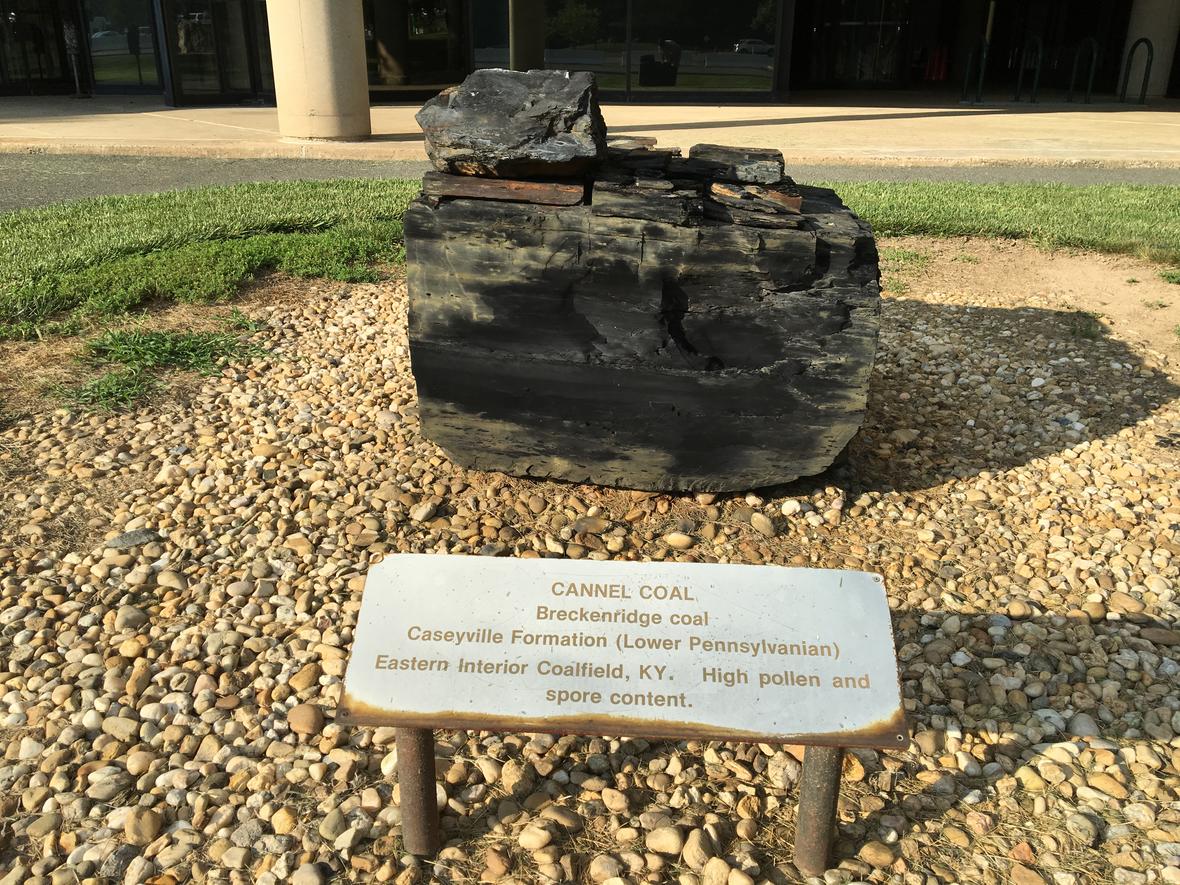
Image shows a large black stone with a silver sign in front
TL;DR
Coal-generated aerosols cut U.S. solar output by more than 500 terawatt-hours each year, equal to the yearly generation of 84 one-gigawatt coal plants. Over a quarter of potential solar power is lost, with aerosols responsible for about six percent of that shortfall.
Context
The study was led by researchers at the University of Exeter and published in Nature Energy. It aimed to quantify how airborne particles from coal combustion affect solar panel performance nationwide. They constructed a global inventory of solar facilities using the Global Solar Atlas dataset, supplemented with AI-processed satellite imagery and crowdsourced location records. This inventory formed the basis for estimating each site’s potential electricity output. Satellite images measured the physical size of each solar array, while location-tagged weather data provided hourly irradiance and aerosol concentrations. Researchers then calculated the electricity that would be generated under clear-sky conditions and compared it to actual production estimates. The difference revealed losses attributable to clouds and aerosols. To separate cloud impacts from aerosol effects, the team used atmospheric models that distinguish scattering by water droplets from that by particulate matter. This allowed them to assign roughly 20% of the loss to clouds and 6% to aerosols for 2023.
Key Facts
In 2023, more than 25% of potential solar generation was missed, with over 20% due to clouds and 6% attributable to aerosols. That shortfall exceeded 500 terawatt-hours per year. The 500 terawatt-hour loss matches the annual electricity output of 84 coal plants each rated at one gigawatt. This equivalence highlights the scale of aerosol-related solar inefficiency. From 2018 to 2022, newly added solar capacity could have contributed an extra 250 terawatt-hours each year, but aerosols erased about 75 terawatt-hours of that gain annually. Consequently, the net increase in solar generation was reduced by roughly 30% due to particulate pollution.
What It Means
These results show that coal-derived pollution directly undermines renewable energy returns, beyond its climate and health impacts. Policymakers should integrate aerosol monitoring into emissions regulations and consider solar-site selection that minimizes exposure to industrial haze. Future research will track how evolving emission standards affect solar yield and whether mitigation strategies can recover the lost terawatt-hours.
Continue reading
More in this thread
Coal‑Derived Aerosols Cut Solar Output by Over 500 TWh Each Year
Dr. Leo Tanaka
NBS and Circular Ecology Release Standard Guide for Embodied Carbon in BIM
Dr. Leo Tanaka
Peaks Renewables Secures $4.5M DOE Grant for First Biomethane‑Hydrogen Pilot in Maine
Dr. Leo Tanaka
Conversation
Reader notes
Loading comments...