Cloudflare Engineer Sunil Pai Pushes ‘Science Fiction’ Mindset Behind Dynamic Workers
Sunil Pai explains how a science‑fiction mindset led to Cloudflare's dynamic workers, enabling stateful, serverless agents at massive scale.
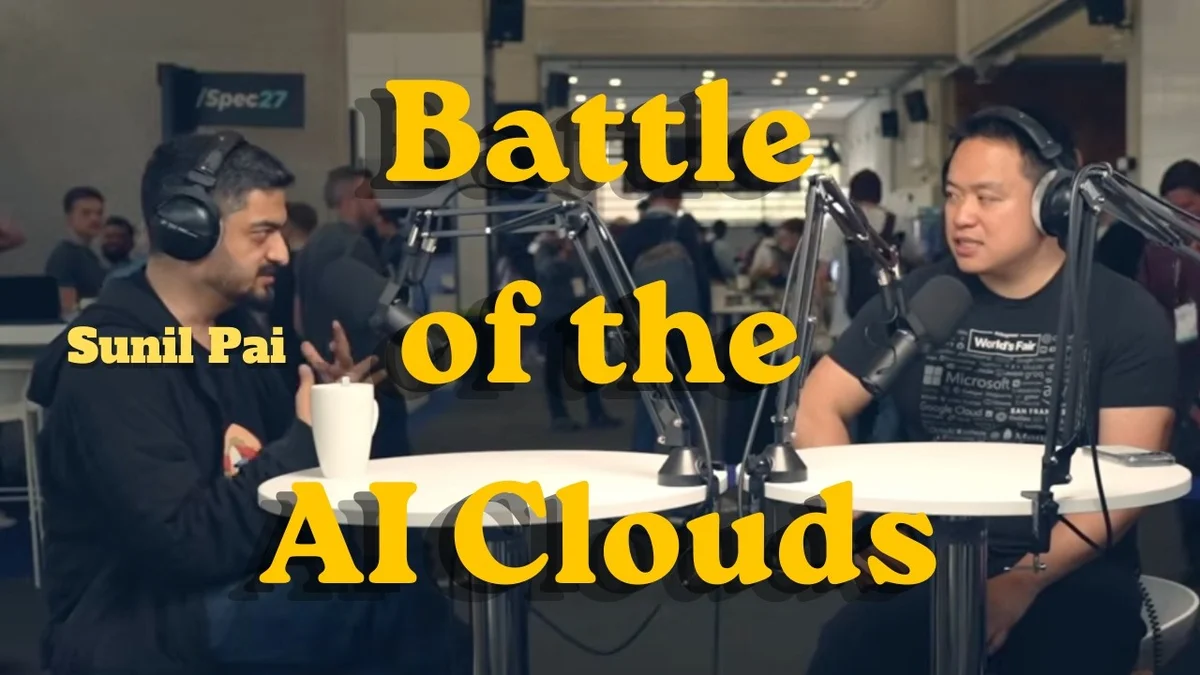
Cloudflare's Sunil Pai on Building Science Fiction
*TL;DR – Cloudflare’s Principal System Engineer Sunil Pai says a ‘science‑fiction’ approach birthed dynamic workers, a platform that lets developers run millions of stateful, serverless agents without managing servers.*
Context Sunil Pai, a senior engineer at Cloudflare, argues that true software breakthroughs start by imagining future possibilities and then building the tools to make them real. In a recent interview he framed this philosophy as “building science‑fiction” – not fantasy, but concrete concepts that feel ahead of their time.
Key Facts Pai points to Cloudflare’s launch of dynamic workers as the embodiment of that mindset. Dynamic workers are a new architectural layer for AI agents and other background processes. The platform delivers stateful, serverless programming: developers write code that retains memory across invocations while the underlying infrastructure remains invisible. This lets them spin up millions of agents that run continuously, handling complex tasks such as data enrichment, real‑time analytics, or edge‑based AI inference.
Because the workers are serverless, developers avoid provisioning, patching, or scaling traditional servers. Cloudflare’s edge network provides granular traffic control, ensuring each agent receives only the inbound and outbound requests it needs. Security and performance remain baked in, while the abstraction frees teams to focus on logic rather than operations.
What It Means The dynamic workers model could reshape how enterprises deploy AI and automation at scale. By removing the server management layer, companies can reduce operational overhead and accelerate time‑to‑value for edge‑centric applications. The approach also lowers the barrier for smaller teams to experiment with large‑scale, stateful workloads that previously required dedicated infrastructure.
If the “science‑fiction” vision continues to guide Cloudflare’s roadmap, expect more edge‑native services that blend AI, real‑time processing, and persistent state without the traditional server footprint. Watch for announcements on developer tooling, pricing models, and integration partners that will determine how quickly the broader market adopts this paradigm.
Continue reading
More in this thread
Conversation
Reader notes
Loading comments...