Cleveland Fed Nowcast Projects 4.5% Headline Inflation as Hormuz Closure Pushes Gas Prices Higher
Cleveland Fed nowcast predicts 4.5% headline inflation for April‑May, core 2.5‑3.3%, as Hormuz closure tightens energy supplies and pushes gas prices higher.
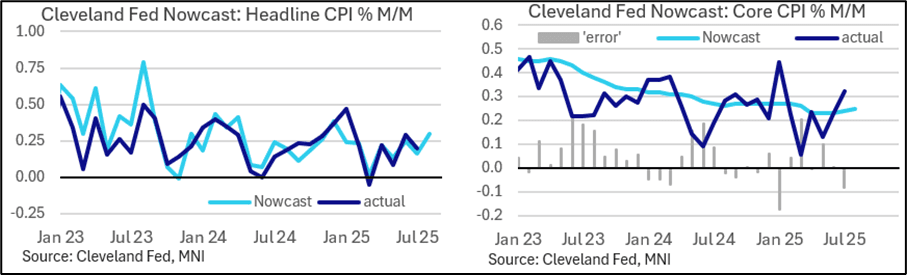
*TL;DR: The Cleveland Federal Reserve’s nowcast predicts headline inflation around 4.5% for April‑May, core inflation between 2.5%‑3.3%, and a rising 11% cumulative PCE overshoot, driven by the ongoing closure of the Straits of Hormuz and tightening energy supplies.
Context The Straits of Hormuz, a key chokepoint for global oil shipments, remains closed, limiting crude flow and tightening U.S. energy inventories. Gasoline prices have already risen through March, and the consumer price index (CPI) – which averages prices over the month – reflects that upward trend. The Federal Reserve’s credibility on inflation control is under scrutiny as price pressures persist.
Key Facts - The Cleveland Fed’s nowcast, a real‑time estimate of upcoming CPI and personal consumption expenditures (PCE) data, places April‑May headline inflation at roughly 4.5% year‑over‑year. - Core inflation, which excludes volatile food and energy items, is projected in a band from 2.5% to 3.3%. - Since 2021, the cumulative overshoot of the PCE price index – the Fed’s preferred inflation gauge – has reached 11% and continues to climb. - The Fed’s 2025 Framework abandons the previous “inflation‑averaging” policy, signaling a shift away from tolerating deliberate overshoots to a stricter focus on returning inflation to the 2% target.
What It Means If the Hormuz blockage persists, energy‑related price inputs will keep headline inflation elevated, limiting the Fed’s ability to lower rates quickly. The nowcast’s core range suggests underlying price pressures remain above the 2% goal, even after stripping out food and energy volatility. The 2025 Framework’s rejection of inflation averaging removes the cushion the Fed once allowed for temporary overshoots, implying policymakers may act more aggressively to curb inflation.
Market participants have priced in a rapid decline in inflation expectations, but the sustained energy shock could keep breakeven inflation rates – the market’s inflation forecast embedded in Treasury yields – above the Fed’s target. Investors and policymakers will watch weekly energy inventory reports and any diplomatic developments that could reopen the Straits of Hormuz. The next CPI release will test whether the nowcast’s 4.5% headline estimate holds, setting the tone for the Fed’s upcoming policy decisions.
Continue reading
More in this thread
AltaGas Board Re‑Elected with 99.75% Support for Vernon D. Yu
Elena Voss
AltaGas Directors Re-Elected with Overwhelming Support, Led by Vernon D. Yu's 99.75% Vote
Elena Voss
FirstBank confirms Olayinka Ijabiyi as Group Head of Marketing and Corporate Communications
Elena Voss
Conversation
Reader notes
Loading comments...