CIBF2026 to Host 3,100+ Exhibitors as Zero-Carbon Battery Rules Tighten Globally
The China International Battery Fair (CIBF2026) will showcase innovations from over 3,100 exhibitors amid new zero-carbon manufacturing guidelines in China and the EU's tighter battery regulations.
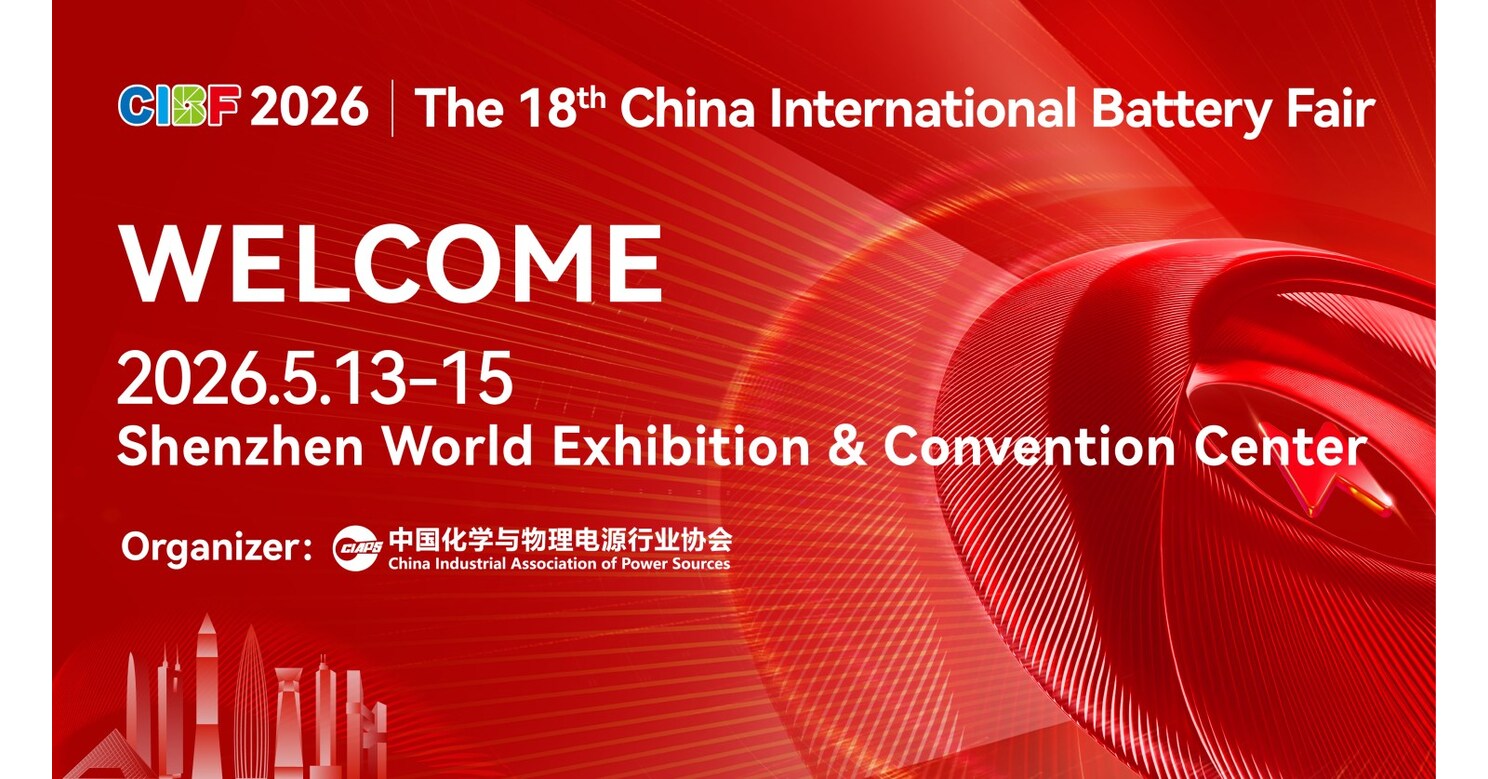
The China International Battery Fair (CIBF2026) will gather over 3,100 exhibitors as global regulations increasingly push for zero-carbon battery production. New mandates in China and the European Union are setting stricter standards for the industry.
The global battery industry faces increasing regulatory pressure for sustainable production. Major economies are implementing rules that reshape manufacturing processes and market access for battery products worldwide. This shift coincides with CIBF2026, a significant industry event focusing on new technologies and sustainable energy.
Five central departments in China issued guidelines on January 14, targeting zero-carbon factories for pilot projects. These guidelines specifically include lithium batteries, marking a direct regulatory focus on emission reduction within manufacturing facilities. "Zero-carbon factories" aim to achieve net-zero greenhouse gas emissions through energy efficiency, renewable energy, and carbon removal.
Concurrently, the European Union's New Battery Regulation is introducing carbon footprint thresholds for batteries. These thresholds quantify the total greenhouse gas emissions generated throughout a product's lifecycle, from raw material extraction to manufacturing. The regulation also mandates digital battery passports, electronic records that store information about a battery's origin, materials, and environmental impact, directly affecting product market access within the EU.
CIBF2026, scheduled from May 13 to 15, will host more than 3,100 exhibitors. These participants will come from China and other countries, showcasing developments across the full battery value chain, from raw materials and advanced manufacturing equipment to energy storage systems and recycling technologies. The event serves as a platform for industry players navigating these new global standards.
These converging regulatory actions highlight a global push towards decarbonization within the battery sector. Governments and major automakers alike now require specific metrics for reporting emissions and demonstrating sustainable practices to maintain or gain market entry. The emphasis on zero-carbon production and transparent lifecycle data signals a fundamental shift in industry expectations.
Manufacturers must adapt their production processes and supply chain management to comply with these evolving global requirements. This includes investments in cleaner technologies, more efficient resource use, and robust data collection systems for battery passports. How these policies shape innovation, supply chain resilience, and international competition will be a key area to watch.
Continue reading
More in this thread
Americans See AI Education as Vital but Doubt Its Learning Benefits, Especially Younger Adults
Alex Mercer
NYC AI and fintech startups capture $104M in funding as Aaru leads with $80M Series A
Alex Mercer
Tesla's Musk Contradicts Robotaxi Safety Data, Admits FSD Hardware Limit
Alex Mercer
Conversation
Reader notes
Loading comments...