Chinese Court Awards £28k to Worker Replaced by AI
The Hangzhou intermediate people’s court ruled that firing a worker for AI replacement was unlawful, awarding £28,000 in compensation and highlighting China’s effort to balance AI growth with job security.
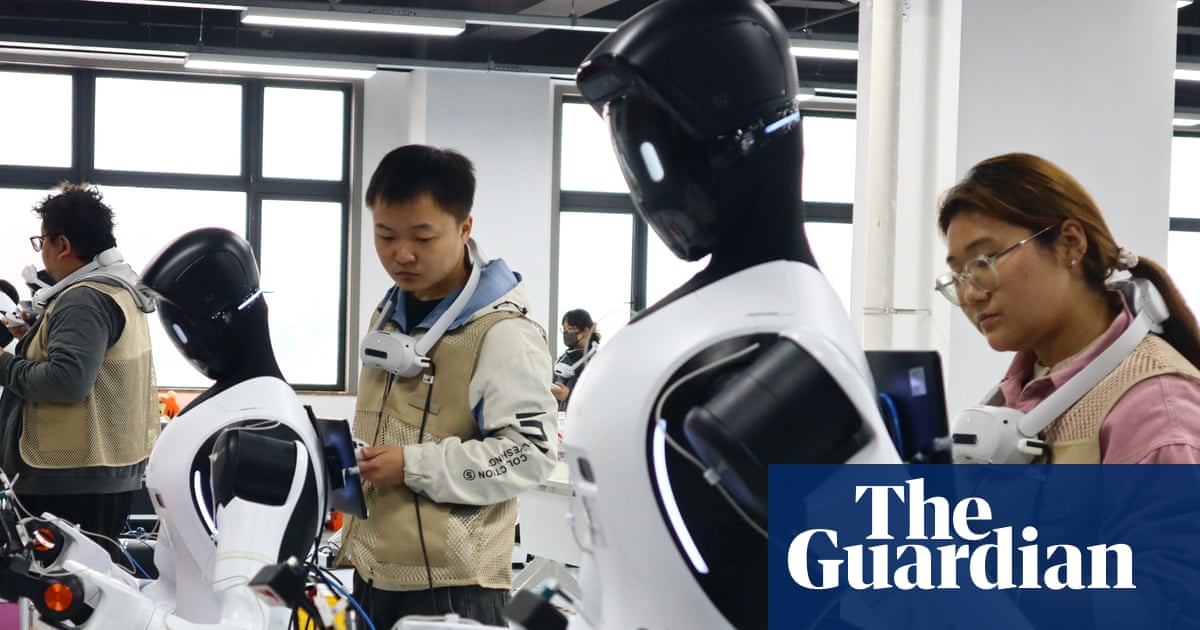
A Chinese court has ordered a tech firm to pay a former quality‑assurance supervisor £28,000 after replacing him with an AI system, highlighting growing legal protections for workers amid rapid automation.
Zhou joined a Hangzhou tech firm in 2022 as a quality‑assurance supervisor overseeing large language models used in AI products. He monitored model outputs for accuracy and safety.
The company later said AI could perform his duties and offered him a demotion with a 40% pay cut. Zhou declined the offer, arguing the reduction undermined his career prospects.
When Zhou refused, the firm terminated him. He challenged the dismissal, and the Hangzhou intermediate people’s court ruled last month that the termination was unlawful, ordering the employer to pay 260,000 yuan (about £28,000) in compensation.
The award translates to roughly £28,000, a sum intended to cover lost wages and distress. Chinese state media framed the decision as a "reassuring message to labour rights protection efforts in the age of automation".
An Ipsos survey shows more than 80% of Chinese respondents are enthusiastic about AI‑enabled products, compared with fewer than 40% in the UK and the United States. This illustrates a stark regional contrast in public sentiment toward the technology.
Legal experts note the compensation aligns with recent guidance that employers must consider social responsibility when introducing automation. They say the ruling reinforces that view.
The ruling adds to a nascent line of cases where Chinese authorities have upheld workers’ rights when jobs are displaced by foreseeable AI upgrades. Last year, a Beijing arbitration committee held that an employer could adopt automated data collection but could not use that change as grounds to fire a long‑term employee without offering alternative arrangements.
Analysts note the decision reflects a shift in Beijing’s tone: officials are increasingly acknowledging the social costs of rapid AI deployment, especially as youth unemployment remains high at around 17% for ages 16‑24.
Going forward, employers may need to weigh transition costs, such as retraining or redeployment, before replacing staff with AI systems. Policymakers will watch whether similar rulings emerge in other sectors and whether new guidelines clarify employer obligations during technological transitions.
Observers will also track how companies adjust hiring and training practices in response to the precedent.
Continue reading
More in this thread
Conversation
Reader notes
Loading comments...