Chinese Consumer Brands Gain Ground in EVs, Sportswear and Retail
Chinese consumer brands are expanding rapidly overseas, with BYD now the top electric‑vehicle maker and Anta operating nearly 13,000 stores worldwide, challenging Western incumbents in EVs, sportswear and retail.
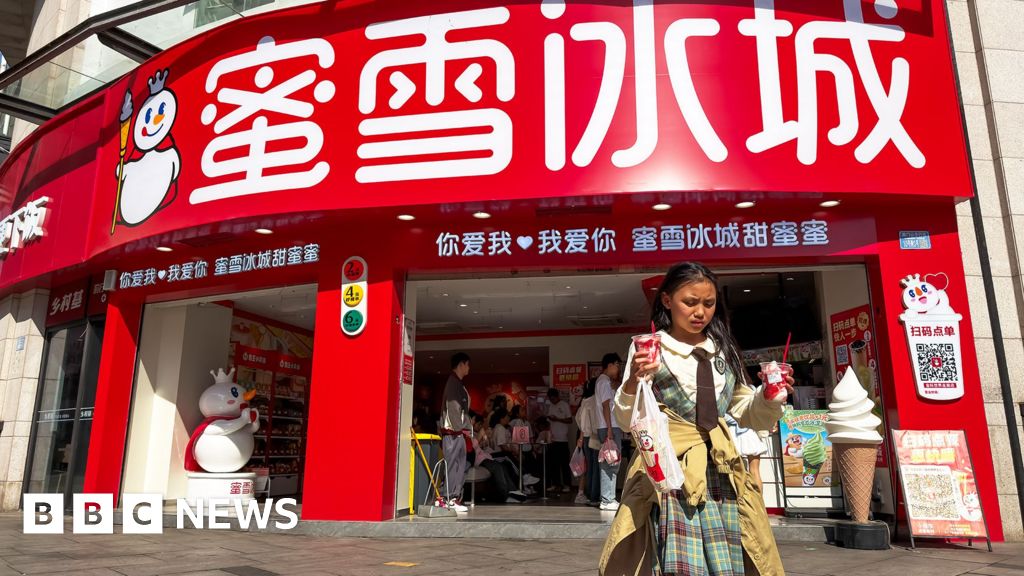
A shop of Mixue, a Chinese bubble tea brand in Chongqing, China in April 2026. In the foreground a girl walks away from the shop holding two sundaes and a drink.
Chinese consumer brands are expanding rapidly overseas, with BYD now the top electric‑vehicle maker and Anta operating nearly 13,000 stores worldwide, challenging Western incumbents in EVs, sportswear and retail.
For decades China supplied the world with low‑cost goods made for foreign brands. Now its firms are building their own names and selling directly to global shoppers. As one consultant put it, 'China has moved beyond a replication economy; its products now meet the expectations of a new generation of demanding global consumers.'
Many companies first test ideas in Southeast Asia, where young, affluent shoppers give quick feedback. Chains such as Haidilao, Mixue and Molly Tea have opened hundreds of outlets from Singapore to Los Angeles, using the region as a springboard to Europe and North America.
State support for electric vehicles, including subsidies and charging‑network investments, has helped firms like BYD cut costs and improve technology. Critics in Europe and the United States argue the aid creates an unfair advantage, while Beijing says the gains stem from homegrown innovation.
BYD has overtaken Tesla to become the world’s largest electric‑vehicle manufacturer, a shift driven by early bets on battery technology and scale from China’s domestic market. The company is also developing ultra‑fast charging systems that add hundreds of kilometres of range in minutes.
Anta operates close to 13,000 stores worldwide, putting it behind only Nike and Adidas as the third‑largest sportswear brand.
Other Chinese retailers are also expanding fast; Miniso now runs stores in more than half the world’s countries, and Haidilao operates over 1,300 hotpot restaurants in 14 nations.
The rise of these brands pressures Western incumbents to compete on price, design and speed of delivery.
Retailers may need to rethink supply chains and consider partnerships or acquisitions to keep shelf space. Price competition is already evident in European EV markets, where BYD models often undercut rivals by several thousand euros.
Investors will watch whether Chinese firms can maintain quality perceptions while navigating stricter regulations in Europe and the United States.
Watch for how Western firms respond with localized partnerships and whether Chinese brands can sustain growth amid rising trade scrutiny.
Continue reading
More in this thread
Manhattan Associates Beats Q1 EPS and Revenue Estimates, Yet Receives Zacks Sell Rating
Elena Voss
Range Resources Beats Q1 Estimates, Shares Rise 16.7% Year-to-Date
Elena Voss
EU Warns Europe May Have Only Six Weeks of Jet Fuel Left Amid Iran Strait Blockade
Elena Voss
Conversation
Reader notes
Loading comments...