China Sends Five Embryo Experiments to Space Station, Completing Orbital Development Suite
China launches five embryo experiments to its space station, finishing a multi-species program to study reproduction in microgravity.
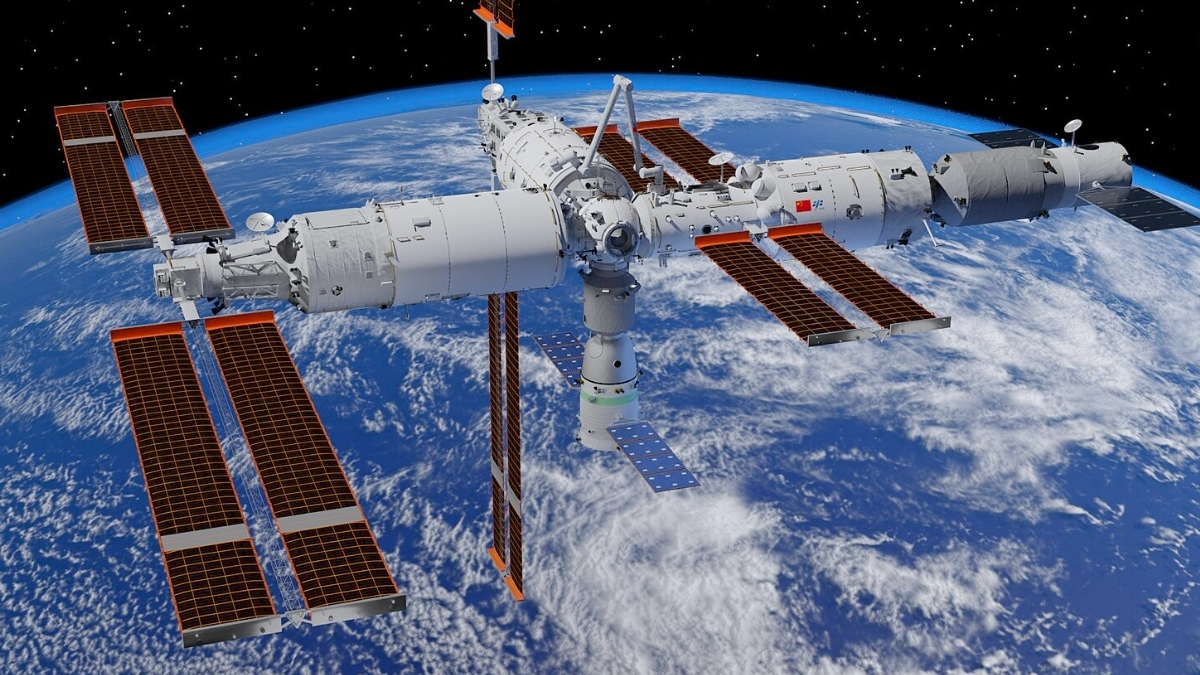
TL;DR: China’s Tianzhou‑10 cargo ship delivered five embryo experiments to its space station, completing a research system that spans zebrafish, mouse and human embryos.
China’s orbital laboratory received a suite of five life‑science experiments on Monday morning via the Tianzhou‑10 cargo vehicle. The payloads target embryonic development, bone loss, heart changes and artificial human embryo construction under microgravity.
Associate researcher Li Tianda of the Institute of Zoology, Chinese Academy of Sciences, explained that the mission integrates studies on mice, zebrafish, and stem‑cell‑derived human embryos. The goal is to map how weightlessness disrupts early development and to devise regulatory mechanisms for reproduction during long‑duration missions.
The new human embryo experiment fills the final gap in a tiered system that began with zebrafish embryos (lower vertebrates), progressed to mouse embryos (lower mammals), and now includes artificial human embryos (higher mammals). Together they form a comprehensive platform to observe cellular and tissue responses from fertilization through early organ formation.
Methodologically, each experiment places fertilized eggs or stem‑cell aggregates in sealed culture chambers that maintain temperature and nutrient flow while exposing them to the station’s microgravity and radiation environment. Sensors record growth rates, gene expression and structural changes, transmitting data to Earth for analysis.
Results from earlier missions showed a 12% increase in bone‑resorbing activity and a 9% alteration in heart muscle gene markers in mouse embryos. The current human embryo study will measure comparable metrics, providing the first direct comparison across species.
Li said the completed suite will allow scientists to systematically compare how space conditions affect vertebrate development, from fish to primates. Understanding these mechanisms is essential for any future effort to sustain human life beyond Earth, whether on lunar bases or Mars habitats.
What to watch next: the first data set from the human embryo experiment, expected later this year, will reveal whether microgravity induces comparable genetic shifts in primate‑level development.
Continue reading
More in this thread
Conversation
Reader notes
Loading comments...