CFOs Delay Integration Budgets, Leaving Synergy Value on the Table
Explains why CFOs defer integration funding, the cost of adviser fees, and what to watch next for synergy realization.
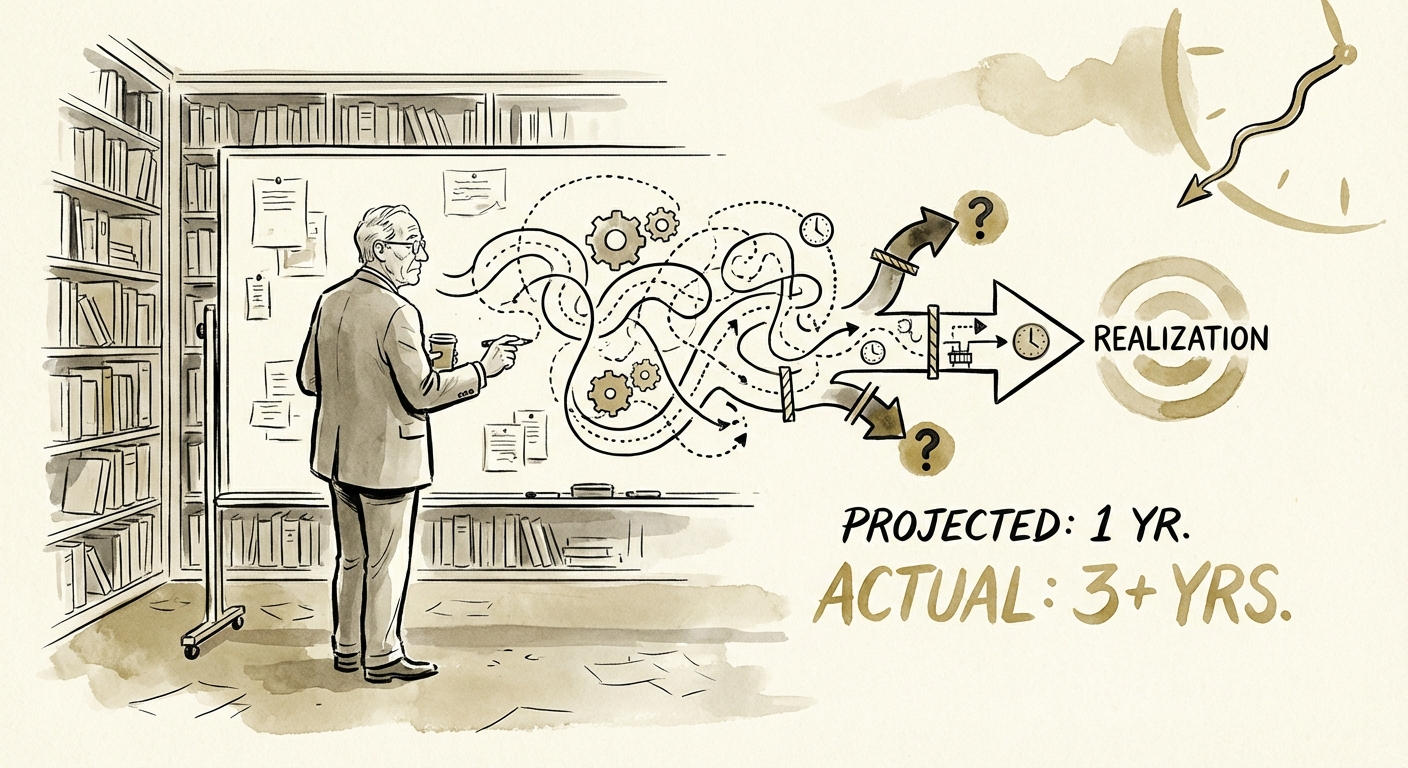
CFOs routinely delay integration funding, leaving synergy value unrealized despite spending tens of millions on deal advice.
In early July 2024, Dangote Cement (DANGCEM.NG) announced a $2.0 billion acquisition of a limestone mine in Burkina Faso. The news pushed its share price down 2.8% to ₦340, trimming its market cap to roughly ₦5.0 trillion, while the NGX All‑Share Index edged up 0.4% to 58,200 points.
Advisory fees for a $2 billion deal regularly run into the tens of millions—banker success fees, legal retainers, tax and regulatory counsel are negotiated up front and booked as a single line item. By contrast, the approved first‑year integration budget is usually only a small slice of that adviser spend, assembled piecemeal from HR, IT and commercial units and rarely signed off as a unified amount. CFOs often tell teams they will “figure that out after close,” deferring the very money that determines whether promised synergies materialize.
This timing gap creates a structural problem: integration costs are scattered across functions, making it hard to size the total need, while adviser fees are visible and front‑loaded. With corporate hurdle rates now well above the zero‑rate era, a quarter‑delay in synergy capture translates into a noticeable erosion of deal value, not a rounding error.
A useful internal metric is the integration investment ratio: first‑year integration spend divided by announced run‑rate synergy value. Though the ratio must flex for deal size, geography and tech separation, it offers a conversation‑starter at deal approval—before the integration window closes. Three areas that deliver outsized returns when funded early are a dedicated commercial execution office, clean‑room pre‑close synergy validation, and value‑capture instrumentation dashboards.
Watch for CFOs to adopt the integration investment ratio as a gate‑keeping metric in upcoming deal approvals, and for boards to tie adviser fee approvals to a minimum integration spend threshold.
Continue reading
More in this thread
Kezar Ends $400M Shelf After Aurinia Merger, Sets $6.955 Cash Payout
David Amara
AllianceBernstein Funds Board Approves Advisory Pacts Ahead of Equitable–Corebridge Vote
David Amara
FinCEN Proposes Lenient Stablecoin Rules for Secondary Trades as OFAC Demands Transaction‑Blocking Power
David Amara
Conversation
Reader notes
Loading comments...