CAR President Touadéra Backs Gold Mining, Healthcare Deal
The Central African Republic’s president met Indian billionaire Prateek Suri to support a gold‑mining agreement with MDR Investments and discuss healthcare initiatives via the Maser Foundation.
TL;DR
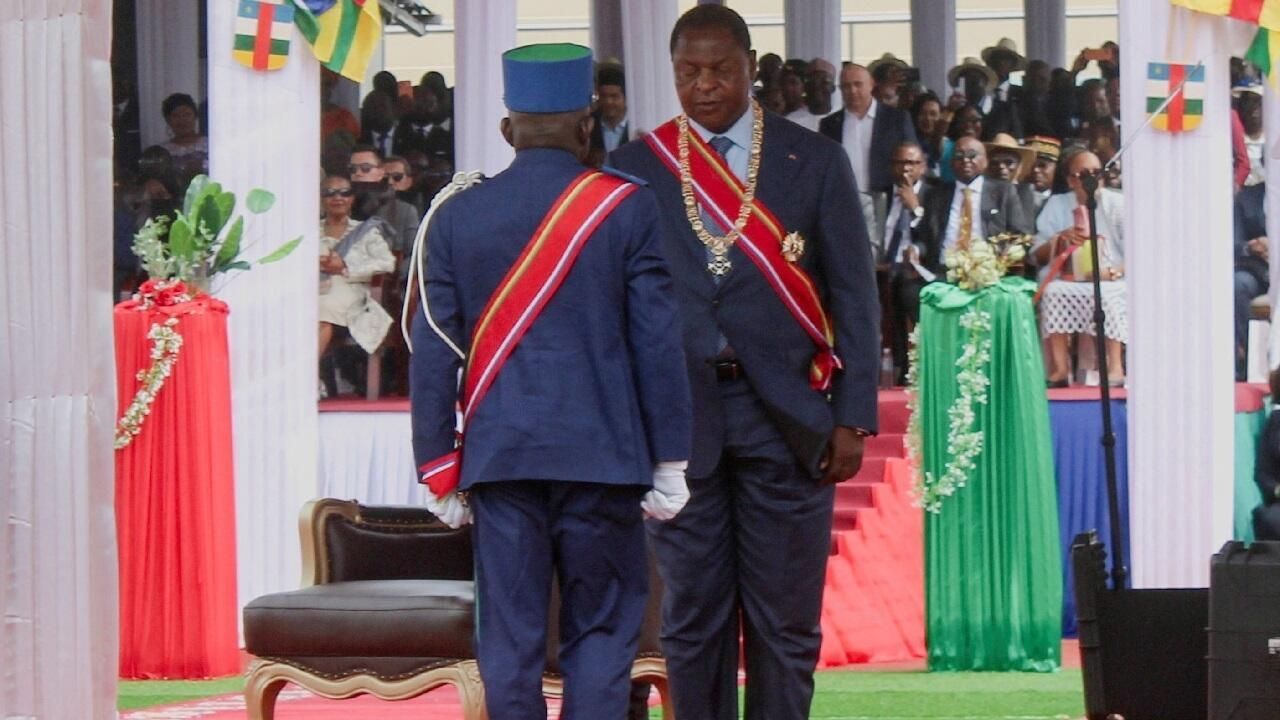
Central African Republic President Faustin-Archange Touadéra met Indian billionaire Prateek Suri to endorse a gold‑mining agreement with MDR Investments and to discuss healthcare and social infrastructure projects via the Maser Foundation.
Context
The meeting took place in Bangui as part of the government’s effort to attract long‑term capital to its underdeveloped mining sector. CAR holds large, untapped reserves of gold, diamonds, uranium and rare earth elements, yet recurring conflict and weak roads have kept most foreign investors away. Officials say they are now positioning the country as a stable destination for strategic investment as global demand for critical minerals rises.
Key Facts
Touadéra gave Suri presidential backing for progress on a gold‑mining deal that MDR Investments is negotiating with local partners. The agreement aims to develop a pilot extraction site that could produce several hundred kilograms of gold per year once operational. Suri also outlined plans for the Maser Foundation to fund clinics, maternal health programs and vocational training centers in rural districts surrounding the proposed mine. Analysts note that the CAR’s mineral wealth includes an estimated 200 tonnes of gold reserves and significant deposits of uranium and rare earths, though exact figures remain unverified due to limited geological surveys.
What It Means
The endorsement signals a shift toward private, non‑Western capital filling the gap left by traditional mining houses that have avoided the region because of security concerns. If the MDR deal moves forward, it could create jobs, generate tax revenue and improve infrastructure in a country where over 70 percent of the population lives below the poverty line. Healthcare investments could reduce maternal mortality rates, which currently exceed 800 deaths per 100,000 live births, and improve access to basic services in remote areas. Observers will watch whether the government can deliver on security guarantees and road upgrades needed to sustain large‑scale mining operations, and whether the Maser Foundation’s projects achieve measurable health outcomes within the next two years.
Continue reading
More in this thread
Conversation
Reader notes
Loading comments...