Cape Verde Blocks Docking of Cruise Ship Amid Suspected Hantavirus Outbreak
Cape Verde denied a cruise ship berth after WHO linked a suspected hantavirus outbreak to three deaths and several serious illnesses among 149 passengers.
TL;DR
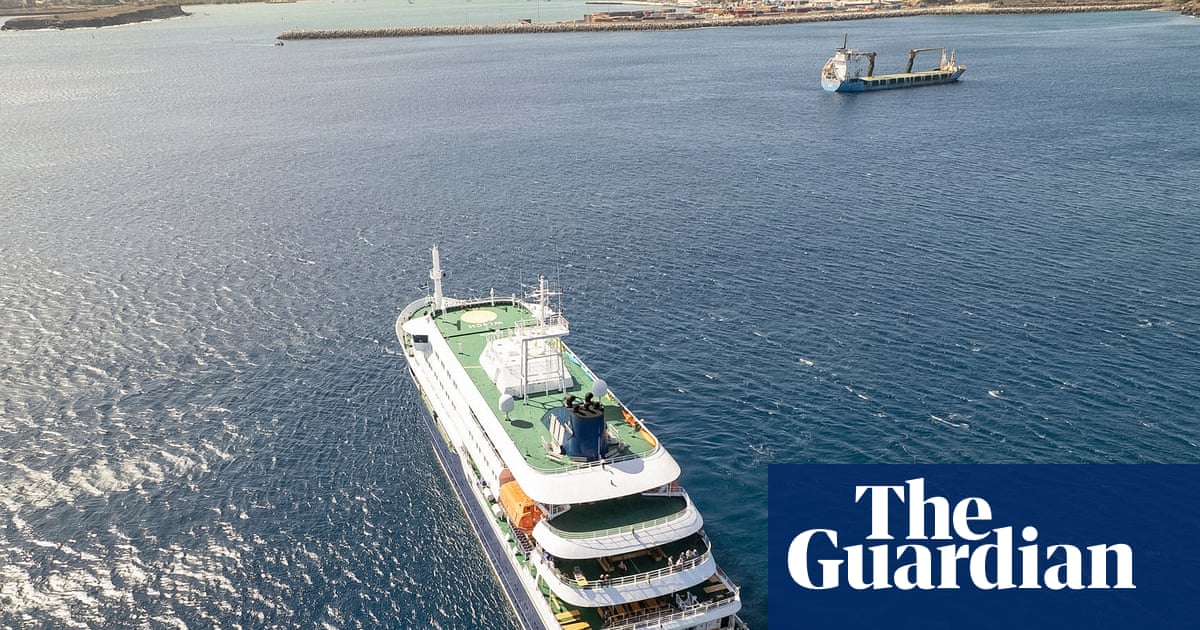
Cape Verde refused the MV Hondius permission to dock after the World Health Organization identified a suspected hantavirus outbreak that has killed three passengers and left multiple others critically ill.
Context The MV Hondius left southern Argentina in March on a 33‑ to 43‑night Atlantic Odyssey cruise, carrying 149 people from 23 nations. Early April, the World Health Organization (WHO) began investigating a cluster of respiratory illnesses on board, a disease normally transmitted by rodent urine or feces. The ship now sits anchored off Cape Verde while health officials coordinate evacuations.
Key Facts - WHO confirmed one laboratory‑verified hantavirus case and listed five additional suspected cases. - The agency linked the virus to three deaths: a Dutch couple, a German national, and a second Dutch passenger who collapsed in South Africa before dying. - Two other passengers, including a 69‑year‑old British tourist, required intensive‑care treatment; the British patient remains in a Johannesburg hospital in critical but stable condition. - Crew members from the UK and the Netherlands showed acute respiratory symptoms, but hantavirus infection has not been confirmed in them. - Oceanwide Expeditions, the cruise operator, reported that isolation, hygiene protocols, and medical monitoring are in place on the vessel. - A U.S. travel blogger on board, Jake Rosmarin, described the uncertainty facing families as the hardest part of the ordeal. - Cape Verdean health authorities denied docking permission to protect national public health, while coordinating with Dutch and British officials for possible medical evacuations and repatriations.
What It Means Hantavirus is rare in humans and can cause severe respiratory failure; its presence on a cruise ship raises concerns about infection control in confined environments. The WHO’s identification of a single confirmed case among a larger suspected cluster illustrates the difficulty of diagnosing the disease without extensive testing. Correlation between the virus and all three deaths remains unproven, as investigations continue.
For passengers, the immediate takeaway is to follow isolation directives, monitor for fever, muscle aches, and shortness of breath, and seek medical attention if symptoms appear. Cruise operators should reinforce rodent control and air filtration measures to reduce future risk.
Looking ahead, watch for updates on the WHO’s final report, the outcome of the planned medical evacuations, and any policy changes affecting cruise ship health protocols in international waters.
Continue reading
More in this thread
Conversation
Reader notes
Loading comments...