Canada Inflation Hits 2.4% as Gasoline Prices Spike 21.2%
Canada's annual inflation rose to 2.4% in March, driven by a record 21.2% monthly gasoline price increase linked to Iran war tensions, while other price pressures eased.
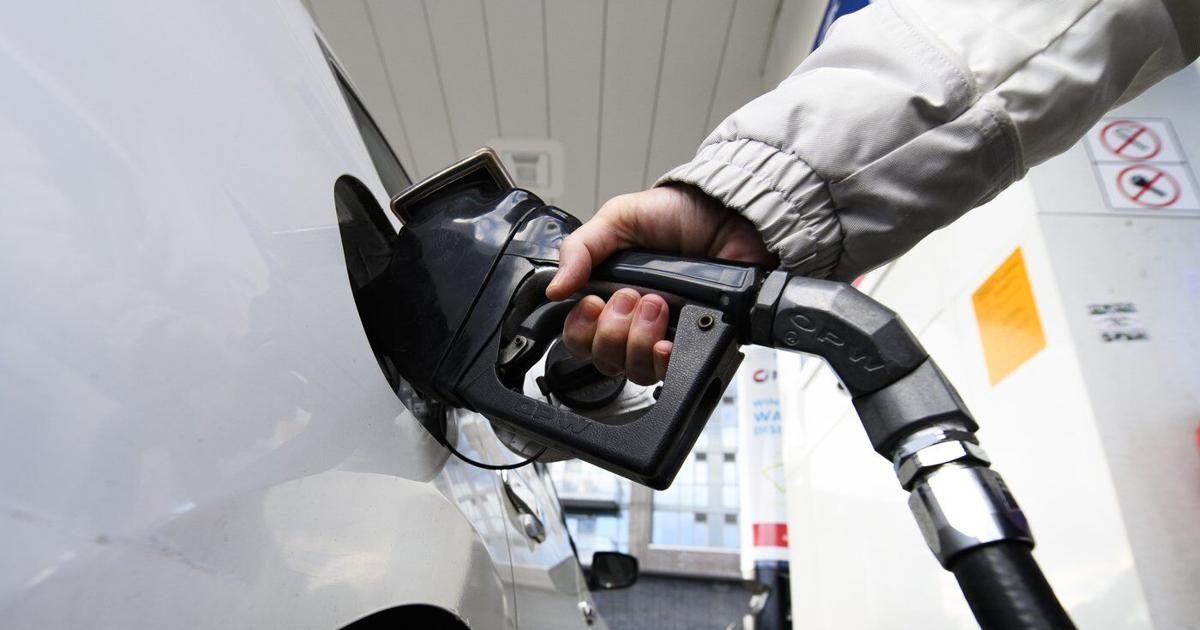
Statistics Canada set to report March inflation data
TL;DR: Canada's annual inflation rate climbed to 2.4% in March, driven by a 21.2% month‑over‑month surge in gasoline prices. The jump reflects higher fuel costs linked to the Iran war, while other price pressures eased.
The war in Iran prompted closure of the Strait of Hormuz, tightening global oil supplies and pushing fuel prices upward. Statistics Canada reported that gasoline costs rose 21.2% from February to March, the largest monthly increase on record.
Excluding gasoline, inflation would have been 2.2% for the month, marking a second straight monthly decline. The federal government’s removal of the consumer carbon price a year earlier continues to dampen yearly comparisons, and a temporary fuel‑tax break that began in March is expected to cut pump prices by about ten cents per litre starting in May.
Inflation rose from 1.8% in February to 2.4% in March, an increase of 0.6 percentage points. Gasoline prices contributed the bulk of the rise, with a 21.2% monthly gain.
BMO chief economist Doug Porter noted that the increase could have been worse without the drag from falling prices in telephone services, auto insurance, furniture, candy and mortgage interest.
Food inflation eased to 4.0% from 5.4% a month earlier, helped by the lapse of a previous grocery tax holiday. Fresh vegetable prices rose 7.8% year‑over‑year due to poor growing conditions for cucumbers, peppers and celery.
The Bank of Canada will watch the March data as it prepares for its April 29 interest‑rate decision, holding its benchmark rate at 2.25% since October. Markets price a greater than 90% chance of another hold next week.
Officials say they will look past the temporary fuel spike but will act if higher gas prices begin to feed broader inflation. Porter added that, absent the Iran conflict, the discussion would likely centre on possible rate cuts rather than hikes.
Watch for: How oil prices evolve if the Strait of Hormuz stays closed, and whether the upcoming fuel‑tax relief translates into lower inflation readings in the coming months.
Continue reading
More in this thread
Southern Copper Q1 2026 Earnings Outlook: Revenue Forecast Up 36% While EPS Estimate Slips 6%
Elena Voss
Solaris Energy Infrastructure Set to Report 30% EPS Growth Ahead of April 27 Earnings Release
Elena Voss
Merger pushes Inter County Service Group workforce past 400 as Clean4Shaw retains its brand
Elena Voss
Conversation
Reader notes
Loading comments...