Brown University unveils 16‑month online Master of Public Policy, cohort begins Jan 2027
Brown University introduces a 16‑month online Master of Public Policy for working professionals, with applications open and the first cohort starting January 2027.
Brown University unveils 16‑month online Master of Public Policy, cohort begins Jan 2027
TL;DR
Brown University has opened applications for a 16‑month online Master of Public Policy aimed at working professionals, with the inaugural cohort beginning in January 2027.
### Context Brown’s Watson School of International and Public Affairs, together with the School of Professional Studies, created an online degree to meet rising demand for policy expertise amid complex global challenges. The program targets mid‑career professionals in government, NGOs, and the private sector who need advanced analytical tools without leaving their jobs.
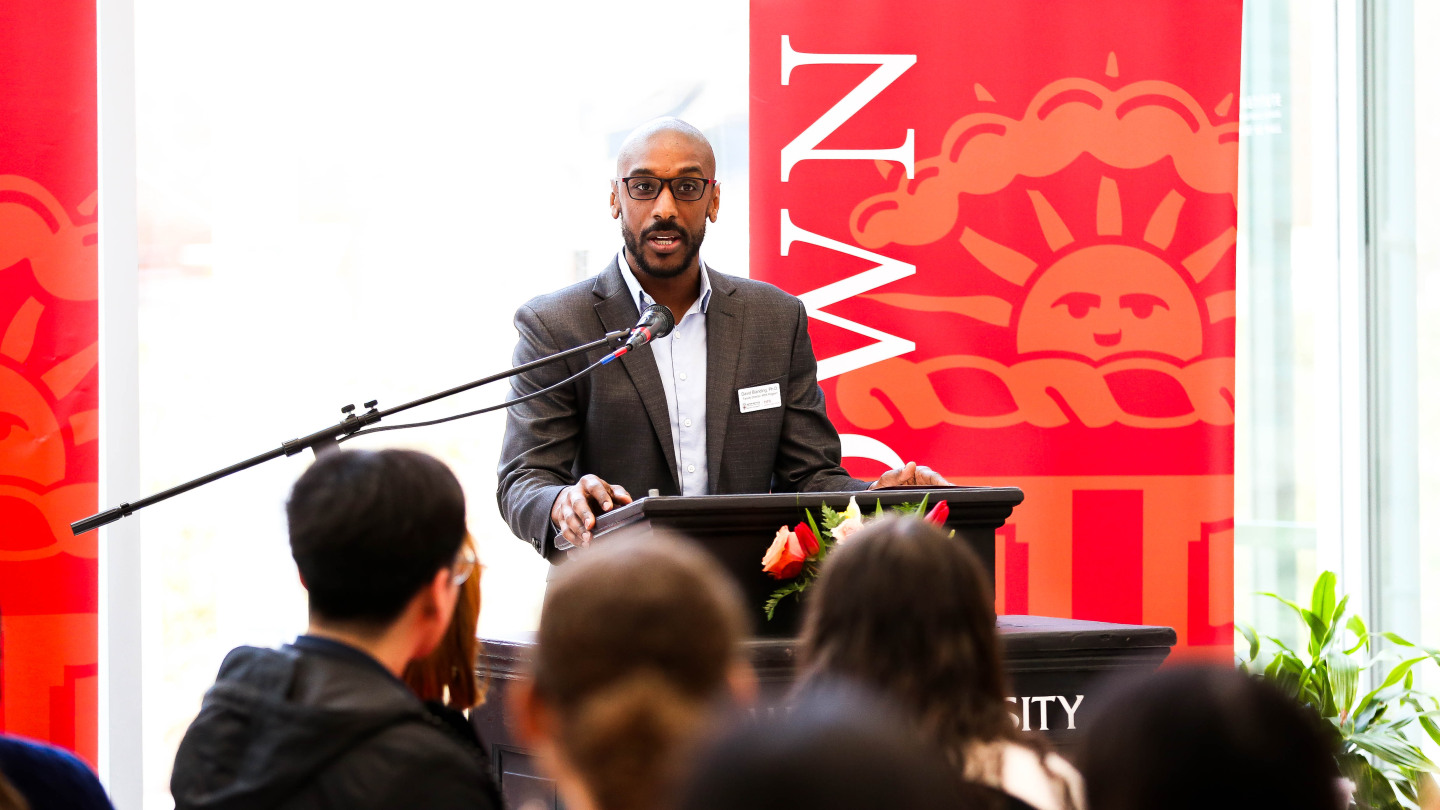
### Key Facts - The Master of Public Policy (MPP) runs for 16 months and is delivered entirely online, allowing students to study while maintaining full‑time employment. - Applications are open now; the first class starts in January 2027. - Associate professor David Blanding, director of the new MPP, describes the curriculum as a “virtual incubator for tomorrow’s policy leaders.” - The curriculum blends data analysis, policy ecosystem mapping, interdisciplinary frameworks (history, sociology, political science) and leadership development, including strategic communication and stakeholder engagement. - Brown emphasizes its student‑centered learning model, promising flexible yet rigorous coursework that integrates real‑world challenges brought by participants.
### What It Means The launch expands Brown’s portfolio of online graduate offerings, extending its Ivy League reputation to a global audience. By focusing on professionals, the program aims to create a pipeline of policy makers who can apply cutting‑edge research directly to their organizations. Employers may see a new credential that signals both technical competence and leadership potential, potentially accelerating career advancement for graduates.
Stakeholders should watch the enrollment numbers and the diversity of sectors represented in the first cohort. Success could prompt similar institutions to develop comparable online policy programs, reshaping how public‑policy expertise is cultivated worldwide.
Continue reading
More in this thread
Conversation
Reader notes
Loading comments...