Bristol Produces 80% of Global Wildlife TV, Cementing Its ‘Green Hollywood’ Reputation
Bristol creates 80% of premium wildlife TV, a legacy of Sir David Attenborough and a £100m industry.
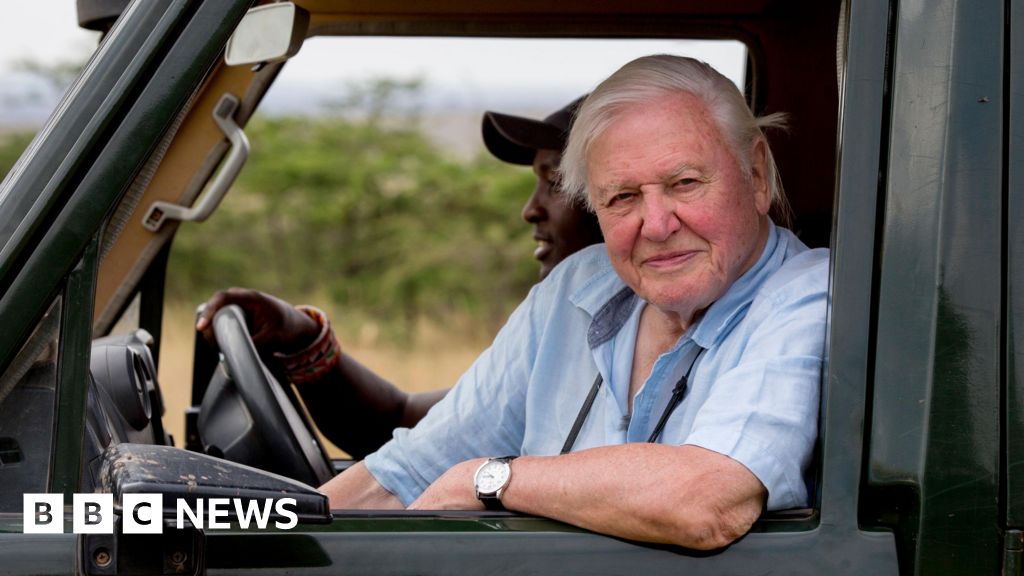
David Attenborough sits in a landrover, looking out of the passenger seat window. A Kenyan driver is behind him, with his hands on the wheel.
*TL;DR: Bristol now generates 80% of high‑quality wildlife television worldwide, a status built on Sir David Attenborough’s pioneering work and a £100 million industry.
Context Bristol’s reputation as the “Green Hollywood” stems from a concentration of talent, technology and finance that began in the late 1970s. Sir David Attenborough, then BBC2 controller, championed ambitious global documentaries and shifted the Natural History Unit (NHU) from modest British‑focused shoots to worldwide blockbusters.
Key Facts - In 1979 the series *Life on Earth* cost over £1 million, a record budget for a natural‑history programme at the time. The show reached 15 million UK viewers and 500 million worldwide, proving that wildlife stories could attract mass audiences. - The series secured a co‑production deal with Warner Brothers, introducing American capital into the genre and setting a precedent for future financing. - Today Bristol’s wildlife film sector is valued at roughly £100 million, according to the University of the West of England, and employs about 1,000 people across 15 production companies. - The city now delivers 80% of the world’s premium natural‑history television, a share confirmed by industry leaders such as the Wildscreen Festival CEO. - Major platforms—including Netflix, Apple TV+, National Geographic, Disney and the BBC—source the majority of their wildlife content from Bristol, eliminating the need to travel to Hollywood.
What It Means Bristol’s dominance reshapes the global media map: high‑budget wildlife series are conceived, filmed, edited and post‑produced locally, keeping profits and jobs in the region. The ecosystem includes specialist colour‑grading, sound‑design and cutting‑edge camera technology, often invented in‑house. This self‑contained model attracts international commissions, reinforcing Bristol’s role as the de‑facto hub for natural‑history storytelling.
The city’s success also highlights the lasting impact of Attenborough’s push for technical innovation— from wind‑tunnel bat shots in *Life on Earth* to today’s 4K and 8K wildlife imaging. As streaming services expand their documentary slates, Bristol’s talent pool and infrastructure position it to meet rising demand.
Looking ahead, watch for new multi‑platform wildlife series that will test Bristol’s capacity to scale production while maintaining the high standards that earned it the “Green Hollywood” moniker.
Continue reading
More in this thread
Conversation
Reader notes
Loading comments...