Bristol Becomes Global Hub for Wildlife Filmmaking Thanks to Attenborough
Bristol produces 80% of premium wildlife TV, a £100 million sector built on Sir David Attenborough's legacy. Learn the impact and future trends.
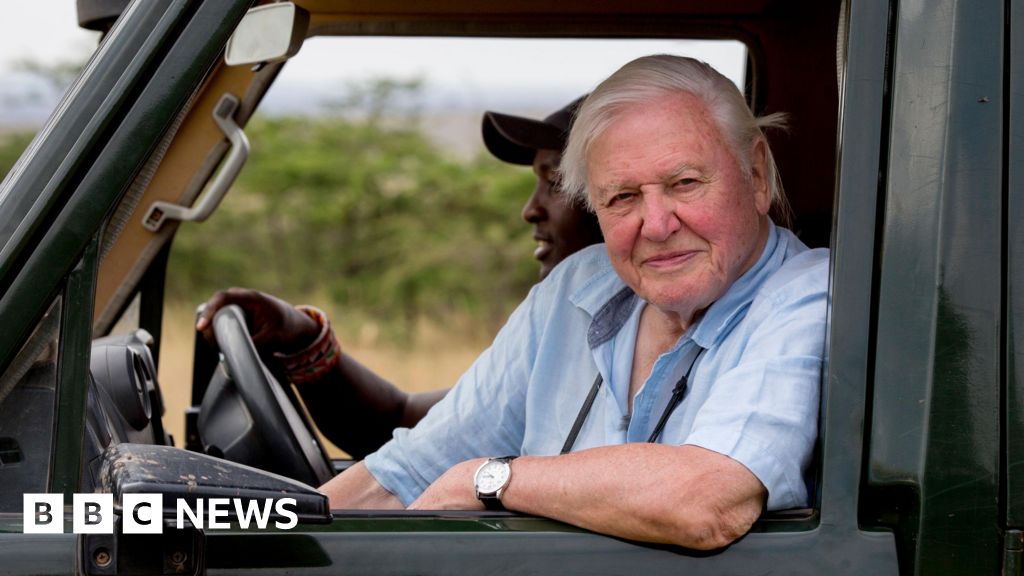
David Attenborough sits in a landrover, looking out of the passenger seat window. A Kenyan driver is behind him, with his hands on the wheel.
TL;DR: Bristol creates 80% of the world’s premium wildlife TV, a £100 million industry forged by Sir David Attenborough’s vision.
Bristol’s reputation as “Green Hollywood” is no accident. The city’s natural‑history television output now accounts for four‑fifths of global high‑quality productions, a concentration unmatched anywhere else.
The sector’s value sits at roughly £100 million, about one‑third of Bristol’s entire TV industry and employing around 1,000 specialists across 15 production firms. This ecosystem grew from the BBC’s Natural History Unit, which Sir David Attenborough helped shape after moving from management to on‑screen presenter in the late 1970s.
Attenborough’s 1979 series *Life on Earth* reached 15 million viewers in the UK and 500 million worldwide. The programme’s £1 million budget—large for its time—was financed through a co‑production deal with Warner Brothers, marking the first American investment in a natural‑history series. Its success proved that wildlife documentaries could be global blockbusters.
International broadcasters quickly followed. National Geographic, Netflix, Apple TV and Disney now source the majority of their wildlife content from Bristol, attracted by the city’s technical expertise and talent pool. Cutting‑edge camera work, from wind‑tunnel bat shots to 4K imaging, remains a hallmark of the local industry.
The Wildscreen Festival, held biennially in Bristol, showcases this concentration of talent and draws global buyers to the city. As a result, Bristol filmmakers no longer need to travel to Hollywood; the world comes to them.
What this means for the local economy is clear: a thriving niche that supports high‑skill jobs and attracts multi‑billion‑dollar streaming contracts. For the global market, Bristol sets the standard for storytelling, technology and financing in wildlife film.
Watch for the next wave of immersive formats—augmented reality and AI‑driven editing—that could further cement Bristol’s lead in the genre.
Continue reading
More in this thread
Devon Energy completes $26 bn merger with Coterra, forming $58 bn Delaware Basin leader
Elena Voss
RE/MAX Q1 Revenue Falls 5.7% to $70.2M as $880M Real Merger Looms
Elena Voss
Devon Energy and Coterra Complete $26 Billion Merger, Form $58 Billion Delaware Basin Giant
Elena Voss
Conversation
Reader notes
Loading comments...