Bristol Blue Glass Set to Close May Amid Fuel, Tax Rise
Bristol Blue Glass will cease operations by end of May due to rising fuel costs and tax pressures, raising concerns for UK heritage glassmakers and skilled workers.
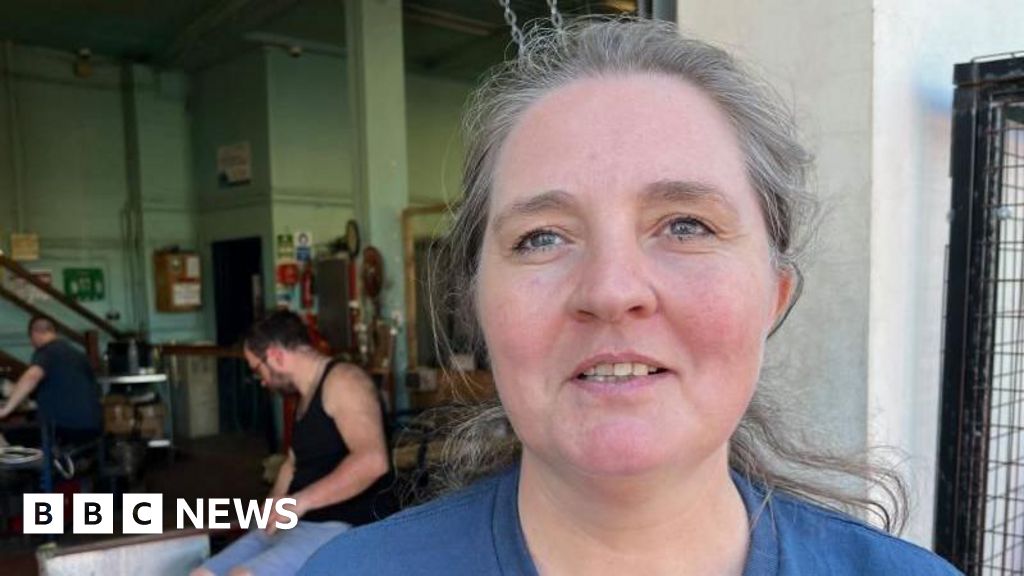
Head and shoulders of a smiling woman with dark, greying hair, wearing a blue t-shirt. In the background is a glassware factory, with workers shaping materials.
Bristol Blue Glass will cease production and close by the end of May. The shutdown stems from soaring fuel prices and tax pressures that have eroded the viability of UK glassmaking.
Founded in 1988, Bristol Blue Glass earned national fame for pieces such as the glass pillar in Matt Smith’s Doctor Who Tardis and the goblets used in the first Harry Potter film. The firm revived a Bristol tradition that dates back to the 18th century, when the city was a global hub for glass and bottle manufacturing.
In November 2023 the company’s lease was due to expire, prompting public support and a temporary extension to the end of May while a new Harbourside site was identified. Despite that reprieve, managing director Suzanne Adlington said recent price shocks—fuel costs virtually doubling and higher National Insurance contributions—have made energy‑intensive operation untenable. She questioned why anyone would start or keep a business in the UK under these conditions, adding that VAT on firms like hers “cripples creativity.”
Bristol Blue Glass announced it will stop trading and close by the end of May. Adlington’s remarks echo a broader worry among UK manufacturers about rising overheads. Just 18 miles away, Bath Aqua Glass faces similar strain; its furnace alone costs £4 per minute to operate while shaping glass, a figure that has prompted the firm to cut shifts, halve its workforce and relocate to Corsham.
The closure puts at risk decades of skilled craftsmanship, with long‑time hot‑shop manager David Barry describing the loss as a personal and professional blow. It also highlights a trend where heritage glassmakers may struggle to survive without targeted relief on energy taxes or VAT. Policymakers will need to decide whether to intervene to protect such niche industries or accept further contraction.
What to watch next: any government response to calls for reduced VAT or fuel duty relief, and whether other regional glassmakers announce similar cutbacks or closures in the coming months.
Continue reading
More in this thread
Conversation
Reader notes
Loading comments...