BRICS Stalls on Joint Statement as Iran War Splits Members
BRICS failed to issue a joint communiqué at its New Delhi summit due to divisions over Iran's conflict, exposing cracks in the bloc's unity.
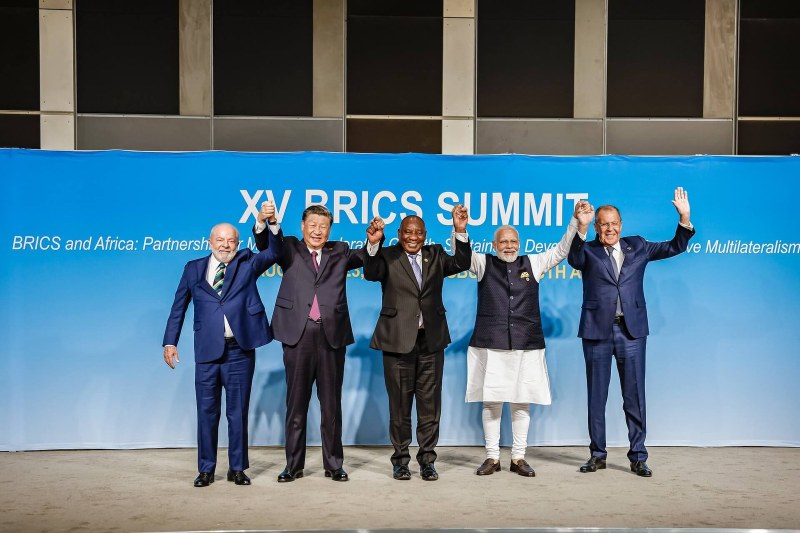
TL;DR: BRICS left New Delhi without a joint statement because members could not agree on language about the Iran war.
The two‑day foreign‑ministers’ meeting in India ended with the bloc’s core members—Brazil, Russia, India, China and South Africa—plus newer partners unable to produce a unified communiqué. The deadlock centered on how to address Iran’s ongoing conflict with Israel and its Gulf neighbours.
India, which chairs the alliance, said “there were differing views among some members” on the Middle East situation. Iran’s foreign minister, Abbas Araghchi, urged fellow BRICS states to condemn what he called violations of international law by the United States and Israel. He also claimed that Iran had not targeted any Gulf state, limiting strikes to U.S. military sites.
The United Arab Emirates’ minister of state, Khalifa bin Shaheen Al Marar, rejected that narrative, accusing Iran of “terrorist attacks” on the UAE. He cited roughly 3,000 Iranian launches—ballistic missiles, cruise missiles and drones—against the Emirates since the war began.
The disagreement was enough to block parts of India’s draft statement. While the document reaffirmed calls for United Nations reform and greater Global South representation, it omitted a consensus paragraph on the Iran war. A separate, unnamed member also raised reservations about language on Gaza, further complicating consensus.
Beyond the Middle East, ministers discussed Sudan’s humanitarian crisis, urging a ceasefire to prevent the country from becoming a breeding ground for extremism. They also called for a political transition in Syria and condemned economic sanctions as coercive tools.
The failure to issue a joint statement highlights the growing strain within BRICS as it balances a multipolar agenda with divergent national interests. The bloc’s ability to present a united front on security issues now appears limited.
What to watch next: Whether the next BRICS summit will produce a coordinated stance on the Iran conflict, and how the alliance will manage internal splits while pursuing its broader push for a re‑balanced global order.
Continue reading
More in this thread
UK 10‑Year Yield Tops 5.17% as Pound Slides on Burnham Leadership Concerns
Nadia Okafor
Trump Weighs $14 B Taiwan Arms Sale, 200‑Jet Boeing Deal, and Iran Sanctions Relief After Beijing Summit
Nadia Okafor
Trump Claims China Agreed to Buy 200 Boeing Jets as Shares Fall and Taiwan Tensions Rise
Nadia Okafor
Conversation
Reader notes
Loading comments...