Brazil Bans Stablecoin Settlements, Yet Bitcoin Price Markets Remain Bullish
Brazil’s central bank bans stablecoin use in cross‑border payments from Oct 2026, yet Bitcoin prediction markets show a 99.9% chance of staying above its May 1 threshold.
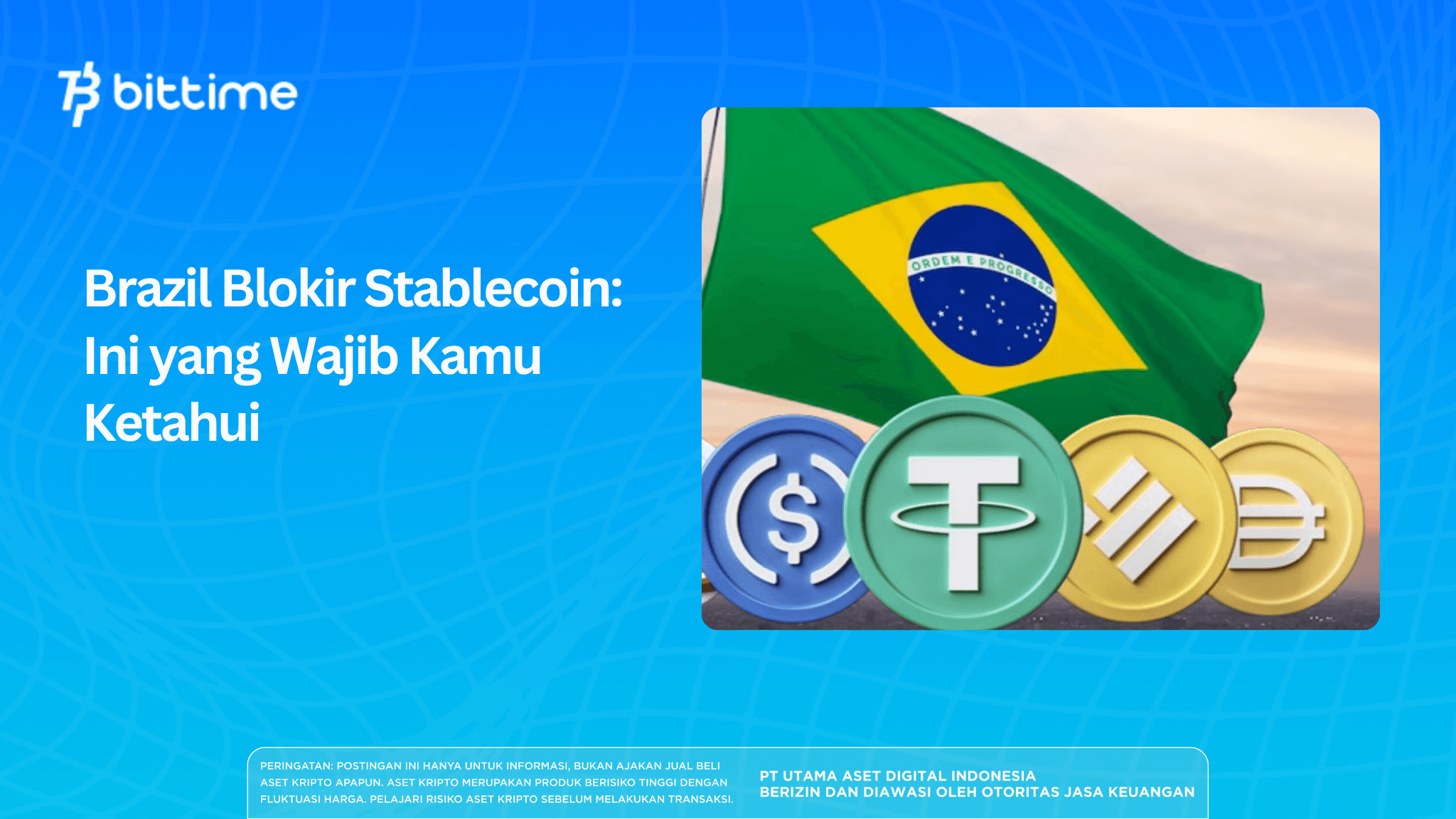
Brazil Bans Stablecoins: Here’s What You Need to Know
TL;DR
Brazil’s central bank will prohibit stablecoin and crypto settlements for cross‑border payments beginning Oct 1, 2026. Despite the ban, prediction markets show a 99.9% probability that Bitcoin’s price will remain above its May 1 threshold.
Context Stablecoins dominate crypto remittances, representing about 90% of reported cross‑border crypto transfers. Brazil’s rule targets regulated entities that use stablecoins or other cryptocurrencies to settle foreign‑exchange transactions, aiming to curb money‑laundering, tax evasion, and threats to monetary sovereignty. Peer‑to‑peer transfers outside official channels remain allowed.
Key Facts Bitcoin (BTC) traded at $68,200, up 1.2% in the past 24 hours, with a market capitalization of roughly $1.34 trillion. The prediction‑market contract “Bitcoin > $68,000 on May 1” sits at 99.9% YES on platforms such as Polymarket, unchanged from the previous day. Stablecoin usage for cross‑border crypto remittances accounts for 90% of the total reported volume.
What It Means The ban removes a major on‑ramp for institutional and retail users who relied on stablecoins for low‑cost, fast international payments. This could shift demand toward alternative channels, including peer‑to‑peer networks or fiat‑based solutions, potentially reducing on‑chain stablecoin activity in Brazil. However, Bitcoin’s price outlook remains buoyed by strong prediction‑market confidence, suggesting traders expect the cryptocurrency to maintain its current level despite regional regulatory headwinds.
Watch for any further regulatory guidance from Brazil’s Central Bank and how peer‑to‑peer volumes evolve in response.
Continue reading
More in this thread
Founders Fund Closes Record $6 Billion Late‑Stage Fund with $1.5 Billion Internal Commitment
David Amara
Founders Fund Closes $6 Billion Late‑Stage Fund With $1.5 Billion From Partners
David Amara
Kenya Central Bank Opens Four Crypto‑Oversight Posts Ahead of 2025 VASP Act
David Amara
Conversation
Reader notes
Loading comments...