Bolivia’s Land Reform Law Triggers Indigenous March Over Deforestation Fears
Indigenous groups march against Bolivia's new land reform law, warning it could boost deforestation and enable land grabs.
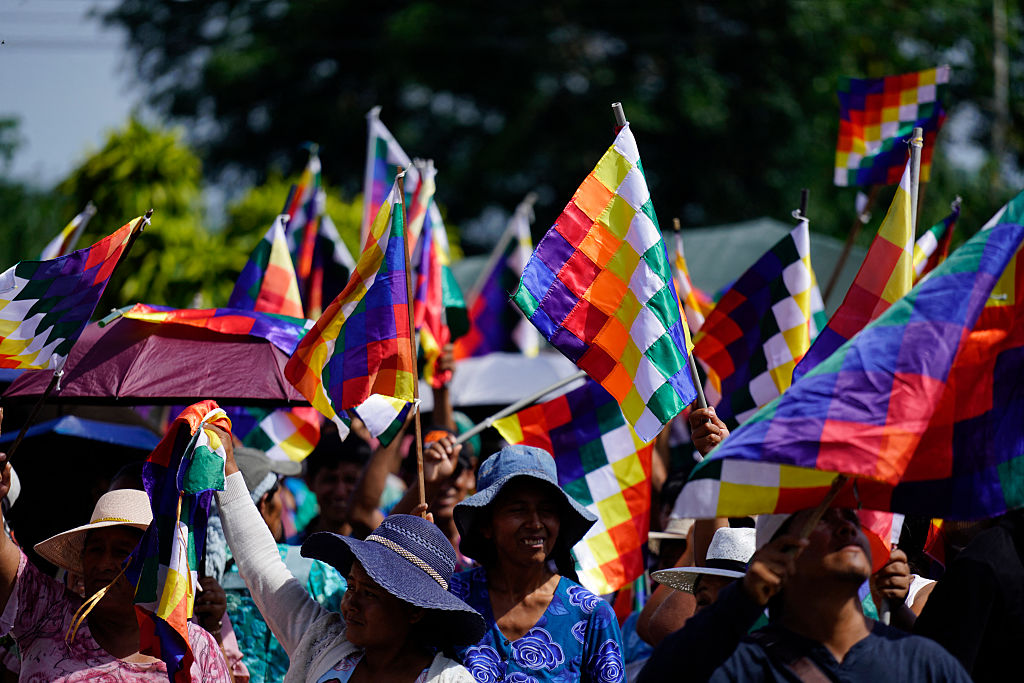
TL;DR: Indigenous protesters are marching to La Paz, saying Bolivia’s new land‑reform law threatens forest protection and could enable large‑scale land grabs.
The Bolivian government approved a land‑reform bill in April that lets smallholders reclassify their plots as “medium” property. The change makes land eligible as collateral for bank loans, a move the rural‑development ministry says will give farmers access to financing for modern equipment.
Minister Óscar Mario Justiniano framed the law as voluntary, stressing that it “grants freedom of decision” and helps producers obtain credit to improve production. The reclassification process requires only a written request and a sworn declaration, and the National Institute of Agrarian Reform must respond within ten days at no cost.
Critics argue the law strips the historic protection that classified small plots as “patrimony” – land meant for subsistence and exempt from seizure. By converting to medium status, owners lose safeguards against state expropriation and open the door for corporate buyers to acquire land more easily.
Last month, about 100 Indigenous demonstrators began a march from the northern department of Pando toward the capital, La Paz. The group has grown daily, demanding the repeal of the law and warning that it could accelerate deforestation in Bolivia’s eastern lowlands, where forest loss was the second‑largest globally last year – roughly 620,630 hectares (1.53 million acres).
Environmental NGOs note that the law could also help large landowners who have historically labeled parcels as “small” to avoid taxes and oversight. Reclassification would allow them to divide and sell land quickly, potentially spurring soy and cattle expansion that has already driven high deforestation rates in Santa Cruz and Beni.
The protest reflects broader concerns that the legislation favors agribusiness over rural communities. “Policies that weaken rights and erode agrarian institutions put the territorial basis of life at risk,” a coalition of eleven environmental and land‑development groups said after the law passed the lower house.
If the law proceeds unchecked, Bolivia may see a surge in land‑market activity, new forms of land grabbing, and further loss of primary tropical forest. The government’s response to the march and any legal challenges will shape the balance between credit access for small farmers and the protection of Indigenous territories.
What to watch: Court rulings on the law’s constitutionality and the scale of the Pando‑to‑La Paz march in the coming weeks will indicate whether Bolivia can reconcile development goals with forest conservation and Indigenous rights.
Continue reading
More in this thread
Israeli Strikes Kill Four, Wound Eight in Southern Lebanon as Evacuation Orders Issued for Nine Towns
Nadia Okafor
Israeli Airstrikes Kill Four, Injure Eight in Southern Lebanon Amid Evacuation Threats
Nadia Okafor
Haiti Opens Vatican Embassy After Prime Minister Meets Pope Leo XIV
Nadia Okafor
Conversation
Reader notes
Loading comments...