BNM to Hold Overnight Policy Rate at 2.75% Through 2026 as Inflation Stays Near 1.6%
Bank Negara Malaysia keeps its Overnight Policy Rate at 2.75% through 2026 as inflation averages 1.6%, supporting steady growth and market stability.
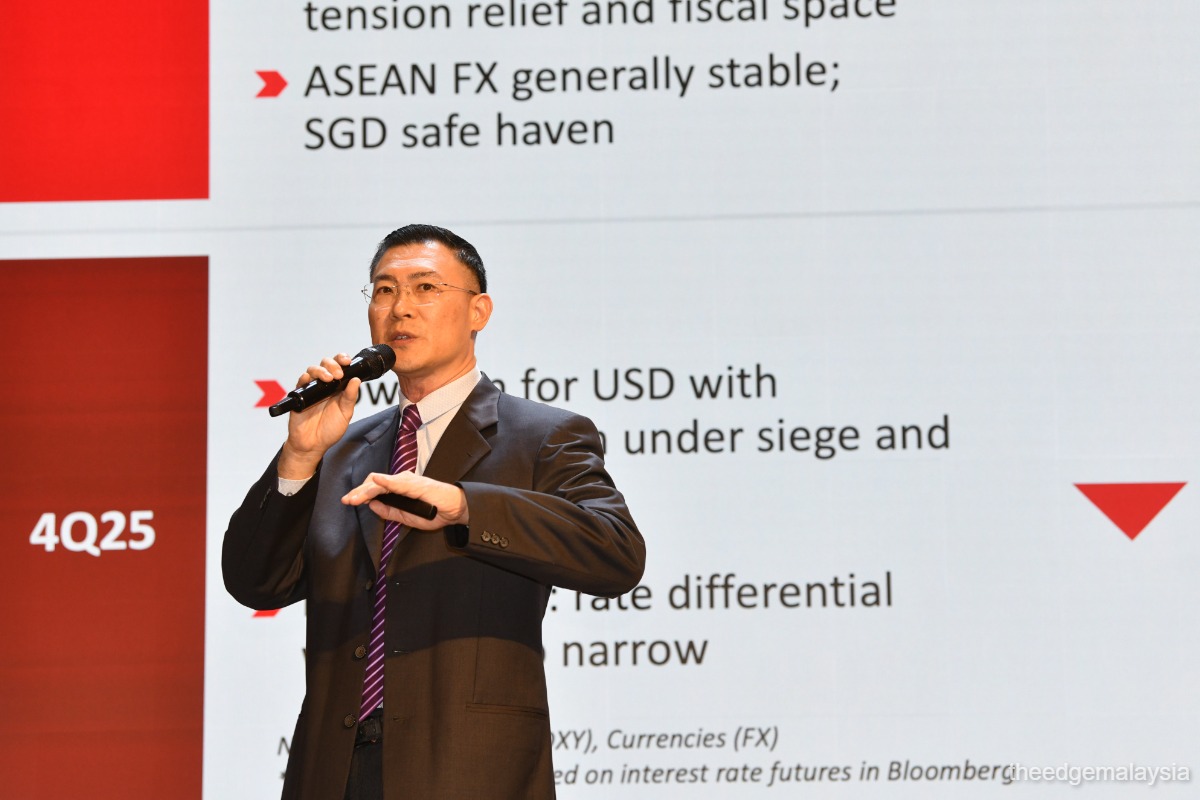
BNM likely to keep OPR unchanged at 2.75% until mid-2026 amid global headwinds — analyst
*TL;DR: Bank Negara Malaysia (BNM) will keep the Overnight Policy Rate at 2.75% until the end of 2026 as headline inflation averages 1.6% and the economy stays on a growth path.
Context BNM’s Monetary Policy Committee (MPC) met in May 2026 and reaffirmed a neutral stance, saying the current policy is “appropriate and consistent with continued price stability and sustainable economic growth.” The decision aligns with market expectations and reflects a data‑driven approach amid lingering geopolitical risks.
Key Facts - Headline inflation, the overall price rise measured by the consumer price index, averaged 1.6% in the latest period; core inflation, which strips out volatile food and energy items, averaged 2.1%. - The MPC signaled no change to the Overnight Policy Rate (OPR), the benchmark interest rate that influences bank lending rates, keeping it at 2.75% through 2026. - Malaysia’s GDP growth forecast for 2026 remains at 4.5%, with the first‑quarter estimate lifted to 5.1% and the second‑quarter outlook at 5.3% due to strong manufacturing and services activity. - The ringgit’s relative stability is expected to curb imported inflation, while fuel subsidies (RON95 at RM1.99 per litre) and cash assistance programmes provide a buffer against external price shocks. - Equity markets have already priced in the steady‑rate outlook. The Kuala Lumpur Composite Index (KLSE) rose 2.1% this week, led by Maybank (MAYBANK.KL) gaining 1.2% to a market cap of roughly $15 billion, and Top Glove (TOPGLOV.KL) up 0.9% with a $4 billion market cap.
What It Means Keeping the OPR unchanged signals that BNM expects inflation to stay within its 2‑3% target band without needing tighter monetary stimulus. A stable rate supports borrowing costs for households and businesses, reinforcing the domestic demand that underpins the 4.5% growth projection. The central bank’s vigilance on commodity price volatility and Middle‑East tensions suggests it will intervene if imported inflation spikes, but current subsidies and a steady ringgit provide a cushion.
Investors should watch upcoming data releases on wage growth and export performance, especially in the electrical‑electronics sector, which could test the central bank’s neutral stance. Any deviation in inflation trends or a sharp move in the ringgit could prompt BNM to reassess the OPR before 2026 ends.
Continue reading
More in this thread
Lagarde Says Euro Stablecoins Threaten EU Monetary Sovereignty as Tether and Circle Hold 90% of Market
David Amara
Galaxy Digital Model Shows $GENIUS Act Could Spur $1.2 Trillion U.S. Credit Expansion, Mostly From Offshore
David Amara
Galaxy Model Projects $1.2 T Credit Surge from Offshore Stablecoin Growth Under $GENIUS Act
David Amara
Conversation
Reader notes
Loading comments...