Blue Badge Holders Report Surge in Harassment Amid Growing Disability Skepticism
UK blue badge users face increasing harassment as disability skepticism grows, with over 20% of MS patients reporting confrontations.
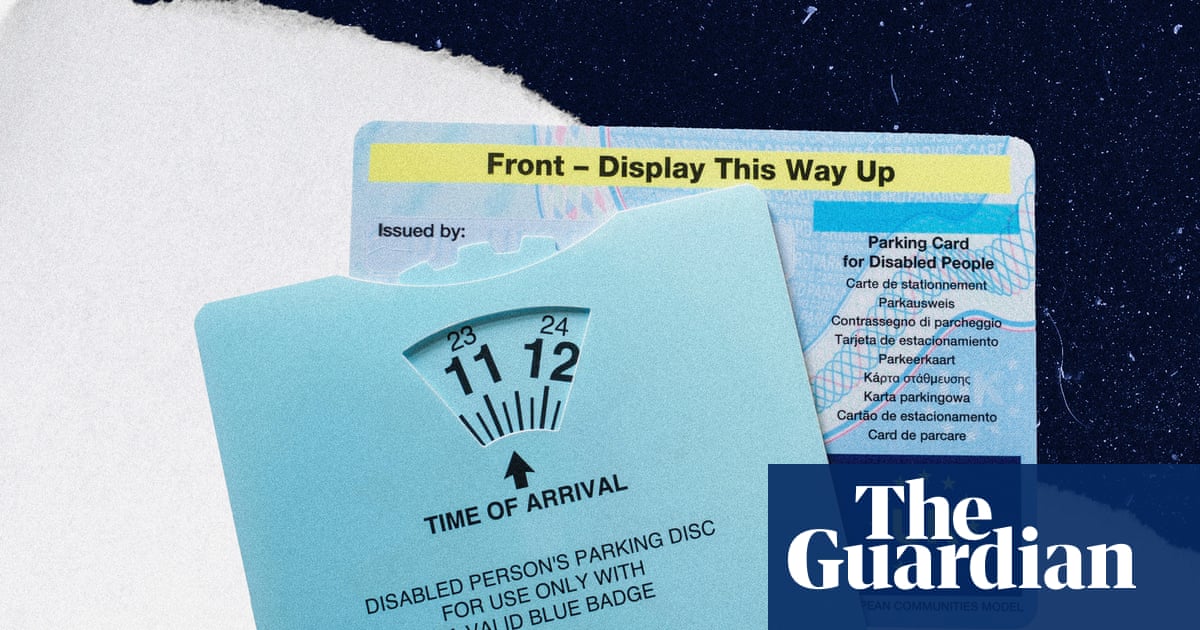
TL;DR: Blue badge users in the UK face a sharp increase in verbal and physical abuse as public scepticism over disability benefits spreads.
Context Around three million people in the United Kingdom hold a blue badge, roughly one in fifteen adults in England. The badge permits parking in designated accessible spaces and is intended for people with severe mobility impairments. Recent media focus on alleged badge fraud has amplified public suspicion, prompting a wave of confrontations.
Key Facts - A survey by the MS Society found that more than 20% of people with multiple sclerosis have been questioned about their badge use, with some reporting shouting, harassment or spitting. The study surveyed a cohort of 1,200 MS patients across the UK. - Interviews with nearly 100 disabled individuals and families reveal a pattern of verbal abuse, intimidation, and occasional physical assault. Incidents include strangers filming badge holders, pulling mobility aids, and blocking vehicles. - Charlotte, a 27‑year‑old with muscular dystrophy and autism, described a stranger pushing a trolley into her carer and then using a vehicle to block them after accusing the carer of not being disabled. - Dave, 35, who uses a walking stick for fibromyalgia, reported being filmed and threatened with social‑media exposure for “faking” a disability. - Emma, mother of a seven‑year‑old with a severe learning disability, said public questioning of her child’s badge has led to anxiety, depression and reduced outings. - Sarah, 41, who uses crutches for osteoarthritis, recounted repeated accusations of fraud, attempts to remove her crutches, and a security guard confrontation that left her fearing further outings.
What It Means The rise in abuse reflects a broader cultural shift where anti‑benefit narratives legitimize public scrutiny of disability entitlements. While the AA has called for action against counterfeit badges, the focus on fraud distracts from the safety of legitimate users. The data show a correlation between increased public discourse on badge misuse and higher rates of harassment, but do not prove that rhetoric directly causes violence.
Practical takeaways for badge holders: 1. Carry the badge’s photo‑ID page and a medical note to defuse confrontations. 2. Report assaults to police; documented incidents can support future policy changes. 3. Join local disability advocacy groups for legal advice and peer support. 4. Use apps that record interactions discreetly if you feel threatened.
Looking ahead, monitor whether law‑enforcement training and public awareness campaigns can curb the growing hostility toward blue badge users.
Continue reading
More in this thread
Specialist Care After First Miscarriage Could Prevent 10,000 UK Pregnancy Losses Annually
Dr. Priya Sharma
UC Riverside Hosts First Symposium Linking Maternal Health and Climate Change
Dr. Priya Sharma
Catholic Charities Pushes Integrated Care at Mental Health Summit
Dr. Priya Sharma
Conversation
Reader notes
Loading comments...