Billionaire ranks set to swell to nearly 4,000 by 2031 as super‑rich wealth surges
Knight Frank forecasts a 25% increase in global billionaires, reaching 3,915 by 2031, fueled by tech and AI. Ultra-high-net-worth individuals also surge by over 300%.
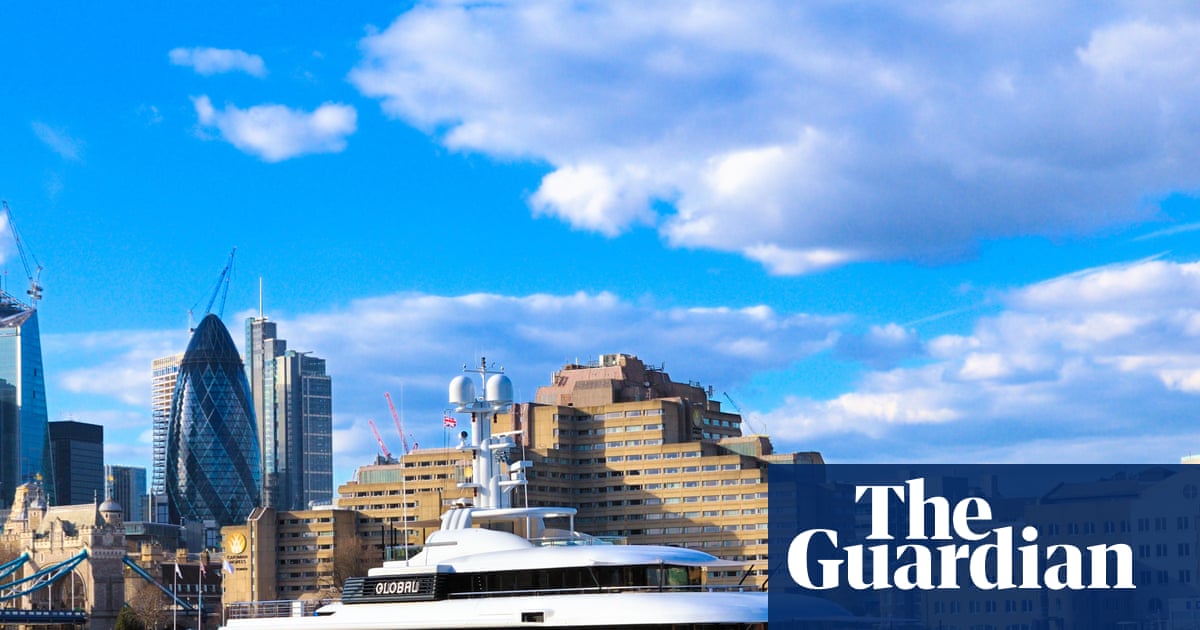
The global population of billionaires will swell significantly, driven by technology and artificial intelligence. This expansion marks a substantial increase in ultra-high-net-worth individuals worldwide.
The global population of billionaires will swell to nearly 4,000 individuals by 2031, according to new projections. Knight Frank forecasts a 25% increase in the global billionaire count over the next five years, raising the total from 3,110 to 3,915 by 2031. This expansion continues a trend of accelerated wealth accumulation among the world's richest.
The ultra-high-net-worth population, defined as individuals possessing at least $30 million in wealth, has seen substantial growth. This group surged from 162,191 individuals in 2021 to 713,626 today, an increase exceeding 300%. Liam Bailey, head of research at Knight Frank, notes that the ability to scale businesses has never been higher. He attributes this rapid fortune-making primarily to advancements in technology and artificial intelligence.
Current wealth statistics show billionaires collectively hold $18.3 trillion. Projections indicate significant shifts in geographic wealth concentration. Asia Pacific is expected to surpass North America by 2031, accounting for 37.5% of global billionaires compared to North America's 27.8%. Specific nations also project rapid growth; Saudi Arabia's billionaire count could more than double from 23 to 65 by 2031, and Poland's from 13 to 29 in the same period. Sweden also expects an 81% rise, from 32 to 58 billionaires.
This surge in extreme wealth occurs amid a complex global economic backdrop. Rory Penn, who chairs Knight Frank's private office business, observes that while wealth creation rises, the number of markets where the ultra-wealthy feel secure investing or basing their families has narrowed. Political volatility, tax reforms, and tighter regulations globally influence the super-rich to favor a smaller group of cities that offer both opportunity and predictability. This increasing mobility means some wealthy individuals adjust their locations in response to changing national fiscal policies.
The rapid accumulation of wealth at the top coincides with a widening gap in global economic distribution. Reports indicate fewer than 0.001% of the world's population controls three times the wealth of the entire bottom half of humanity. This disparity fuels ongoing discussions and growing calls for increased wealth taxation and broader global economic equity.
Observers will closely watch how global financial policies and societal structures adapt to this continued and accelerating concentration of wealth.
Continue reading
More in this thread
AI Adoption Doubles to 12.2% of Canadian Firms in 2025, But Productivity Gains Disappear When Complementary Skills Are Accounted For
Elena Voss
UK Policy Shift Halts Renewable Trusts' Recovery Despite Power Price Surge
Elena Voss
AI Adoption Doubles in Canada but Productivity Gains Fade Without Complementary Investments
Elena Voss
Conversation
Reader notes
Loading comments...