Berlin Formula E Wins Highlight Energy Management Over Speed
Nico Müller and Mitch Evans win Berlin races by mastering energy strategy, highlighting Formula E's shift from speed to conservation.
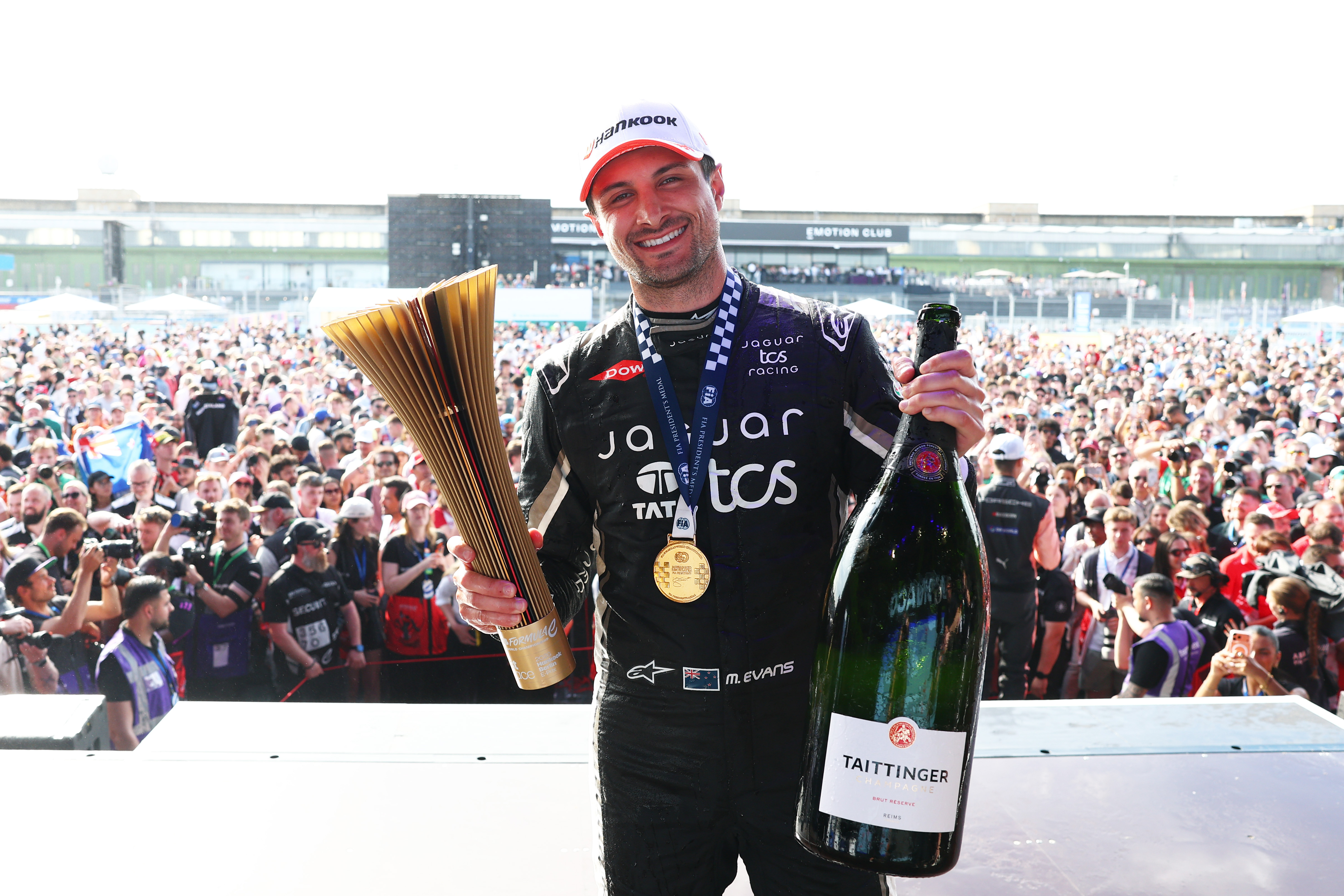
Mitch Evans produced one of the stand‑out drives of the season in Round 8 of the ABB FIA Formula E World Championship, charging from a P17 start to win the Berlin E‑Prix at the Tempelhof Street Circuit.
TL;DR: In Berlin, Nico Müller won Race 1 and Mitch Evans won Race 2 by conserving energy, proving that strategic battery use outweighs outright pace in Formula E.
Context The Tempelhof Airport Street Circuit hosted Rounds 7 and 8 of the ABB FIA Formula E World Championship on May 2‑3, 2026. The 39‑lap races demanded strict energy limits, mandatory regen (energy recovery while braking), and a 30‑second pit stop that adds 10 % extra usable energy. Drivers also accessed Attack Mode—temporary power boosts limited to six minutes total—forcing teams to treat each lap as a fuel‑efficiency exercise.
Key Facts - Porsche’s Nico Müller started sixth, stayed behind early to save power, and took his pit‑boost on lap 23. After a ninth‑place restart he activated Attack Mode on lap 28, seized the lead on lap 29 and finished five seconds ahead, earning his first Formula E victory. - Jaguar’s Mitch Evans began the second race from 17th, deliberately qualified low to preserve energy. He built a surplus, used his final Attack Mode on lap 27, and surged to the front, holding off Oliver Rowland and Pascal Wehrlein to win. - Pascal Wehrlein, pole‑sitter in Race 2, led briefly before easing off to avoid excess drain, eventually finishing third and retaking the championship lead. - Veteran Sébastien Buemi called the pack‑style “convoy” racing in Berlin “too much” for the circuit’s layout and energy demands, highlighting driver frustration with the conservative approach. - Both races featured multiple lead changes tied to pit‑boost timing and Attack Mode deployment rather than raw speed. Engineers constantly balanced lap time against remaining battery charge, turning the competition into a strategic chess match.
What It Means Berlin’s outcomes reinforce a growing trend: Formula E success now hinges on precise energy budgeting rather than traditional overtaking skill. Teams that master lift‑and‑coast techniques, optimal regen harvesting, and perfectly timed boosts gain a decisive edge. Porsche’s win marks a milestone on its 75th motorsport anniversary, while Jaguar’s triumph showcases how a calculated qualifying position can translate into race‑day advantage. As the championship moves to circuits with differing energy profiles, expect teams to refine battery‑management algorithms and drivers to adapt their racing lines to preserve power, further blurring the line between motorsport and high‑tech logistics.
The next round in New York will test whether the Berlin formula—conserve, boost, attack—remains dominant or if a faster‑paced circuit forces a shift back toward outright speed.
Continue reading
More in this thread
Conversation
Reader notes
Loading comments...