Belarus Rolls Out World’s First Crypto Bank Framework with 26 Tokens and $7M Capital Rule
Belarus defines crypto bank, approves 26 tokens, sets $7M capital rule, offers deposits, loans, staking and token issuance under National Bank oversight.
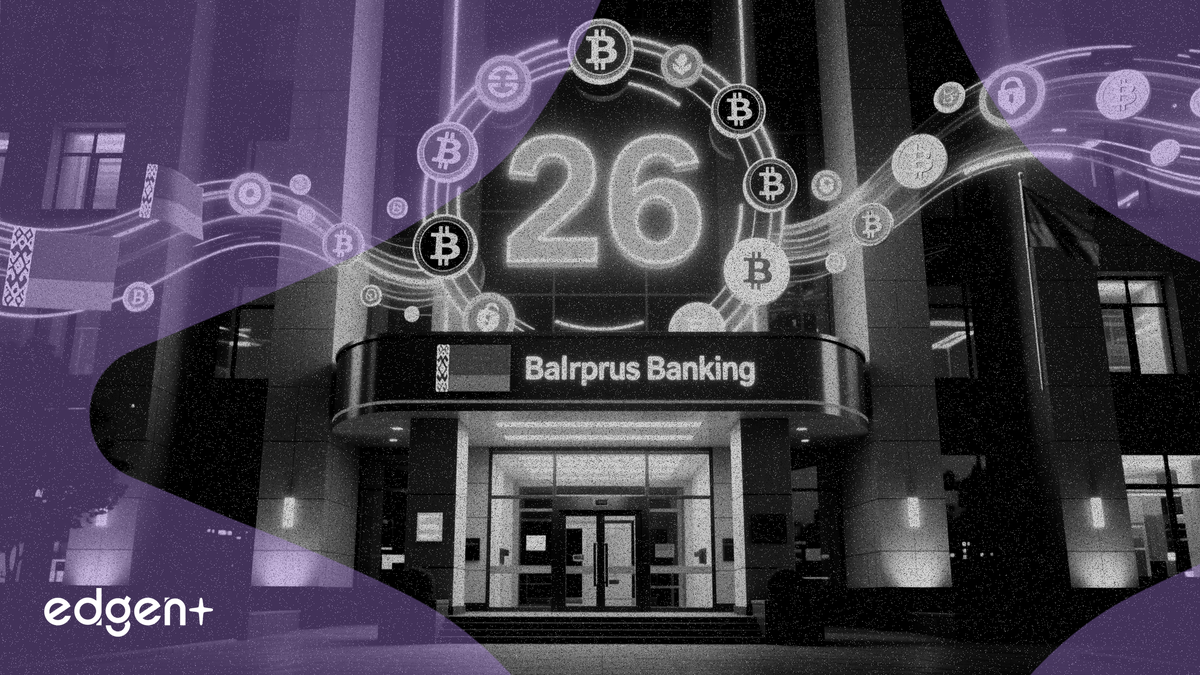
TL;DR: Belarus launched the world’s first crypto bank framework, approving 26 tokens and setting a $7 million capital floor for operators. The move lets licensed entities offer deposits, loans, staking and token issuance under National Bank supervision.
Context On April 23, 2026, Belarus formally defined what a crypto bank can do, becoming the first country to create such a category. The National Bank announced that approved institutions will support 26 cryptocurrencies and provide 11 financial services, ranging from interest‑bearing crypto deposits to token issuance. This differs from a traditional crypto exchange, which mainly facilitates trading; a crypto bank combines exchange functions with deposit, lending and custody activities under a single regulated license.
Key Facts The framework requires founders to hold at least 20 million Belarusian rubles (about $7 million) in charter capital and to deposit an additional 10 million rubles with the National Bank. The 26 approved tokens include BTC, ETH, TON, SOL, several stablecoins and other established altcoins, selected for market cap, liquidity and client demand. The 11 service categories cover crypto‑collateralized loans, staking on proof‑of‑stake assets, regulated custody, fiat‑crypto transfers and the right to issue bank‑backed tokens.
What It Means Bitcoin traded at $68,200, up 2.1% on the day, with a market cap of roughly $1.3 trillion. Ethereum stood at $3,820, up 1.8%, market cap near $460 billion. Toncoin (TON) was priced at $7.48, up 3.4%, market cap about $18 billion, while Solana (SOL) sat at $151, up 0.9%, market cap around $68 billion. The global crypto market cap hovered near $2.1 trillion, putting Belarus’ approved list at roughly 13% of total value. By allowing regulated staking and crypto‑collateralized loans, the framework could channel institutional capital into yield‑generating products that currently live mostly in unregulated DeFi protocols. If uptake mirrors early exchange growth, Belarus could see a shift of trading volume and liquidity toward its licensed banks, potentially influencing neighboring states to consider similar models.
Watch for the first license applications later this year, the performance of crypto‑backed loan books, and any cross‑border partnership offers that test the framework’s scalability beyond Belarus.
Continue reading
More in this thread
Broadcom Targets $100 B AI Chip Sales by 2027 as Micron’s Forward P/E Drops to 4.5
David Amara
Broadcom’s $100B AI Chip Forecast and Anthropic’s $21B Order
David Amara
U.S. GENIUS Act tightens stablecoin oversight as crypto sanctions evasion spikes 694%
David Amara
Conversation
Reader notes
Loading comments...