Bangladesh Launches 1‑MW Rooftop Solar at Parliament, Calls Solar Key to Climate‑Resilient Future
Bangladesh’s new 1‑MW rooftop solar system at Parliament signals progress toward clean energy, leveraging strong solar resources and falling global costs to boost climate resilience.
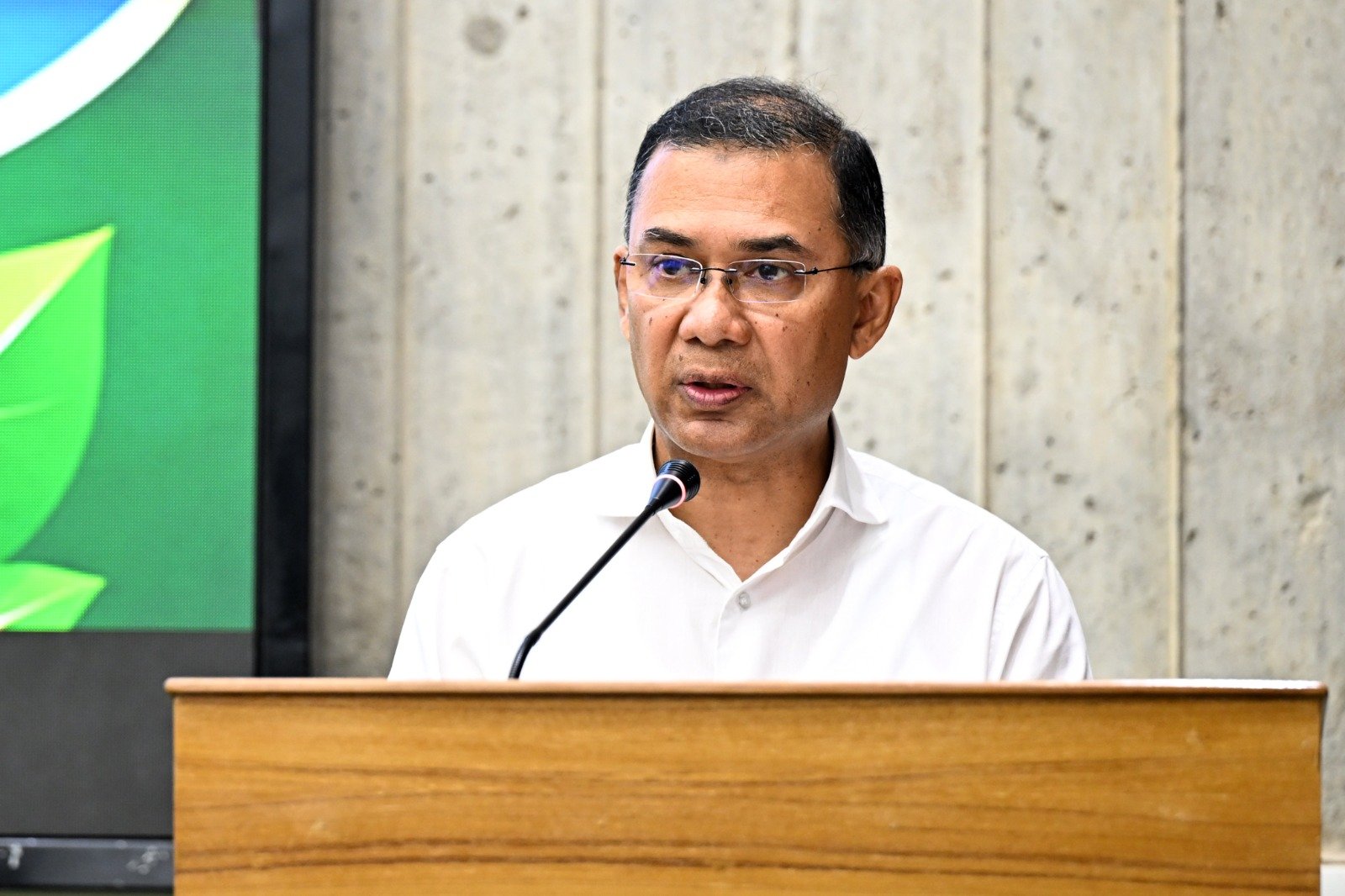
TL;DR: Bangladesh inaugurated a 1-megawatt rooftop solar array on its Parliament building, declaring solar power central to a climate-resilient future. The project highlights the nation's solar potential and falling global costs.
Context
Prime Minister Tarique Rahman opened the "Renewable Solar Power On-Grid Rooftop" initiative at the Jatiya Sangsad Bhaban on Sunday. He said the installation sends a clear message that the country is advancing toward clean energy, a green economy and a self-reliant power system. Rahman noted that Bangladesh's economy and industrial output are growing, driving up electricity demand while the country remains highly vulnerable to climate impacts such as sea-level rise, cyclones and river erosion. The Parliament building, designed by architect Louis I. Kahn, stands as a symbol of democracy and now showcases renewable leadership.
Key Facts
The new system delivers one megawatt of peak capacity, directly feeding the parliament's grid. Bangladesh receives an average of 4.5 to 5 kilowatt-hours of solar radiation per square meter each day, giving it strong natural solar resources. Over the past decade, the global cost of generating electricity from solar panels has dropped sharply, making solar both environmentally friendly and economically competitive. The installation contributes to Bangladesh's national target of sourcing 10 percent of electricity from renewables by 2030.
What It Means
By placing solar on a high-profile government building, officials aim to inspire other public and private institutions to adopt rooftop panels. Widespread deployment could reduce reliance on imported fossil fuels, lower emissions and strengthen energy security in a climate-risky nation. The initiative also aligns with Bangladesh's broader goals of building a green economy and achieving self-sufficiency in power generation. Additionally, the project is expected to create short-term jobs for local technicians and spur demand for domestic solar-panel assembly.
What to watch next
Policymakers are expected to announce incentives for rooftop solar on schools, hospitals and factories, and to monitor how quickly the 1-MW project scales to additional sites across the country. Observers will also watch for updates on financing mechanisms such as green bonds or concessional loans that could accelerate wider adoption. If the rollout meets its timeline, Bangladesh could showcase a replicable model for other climate-vulnerable nations seeking clean-energy transitions.
Continue reading
More in this thread
Conversation
Reader notes
Loading comments...