Australia Mulls Daily Fuel Purchase Caps Amid IEA Red‑Zone Warning
Australia prepares daily fuel purchase limits while the IEA warns oil markets could hit a critical red zone by August, prompting emergency planning.
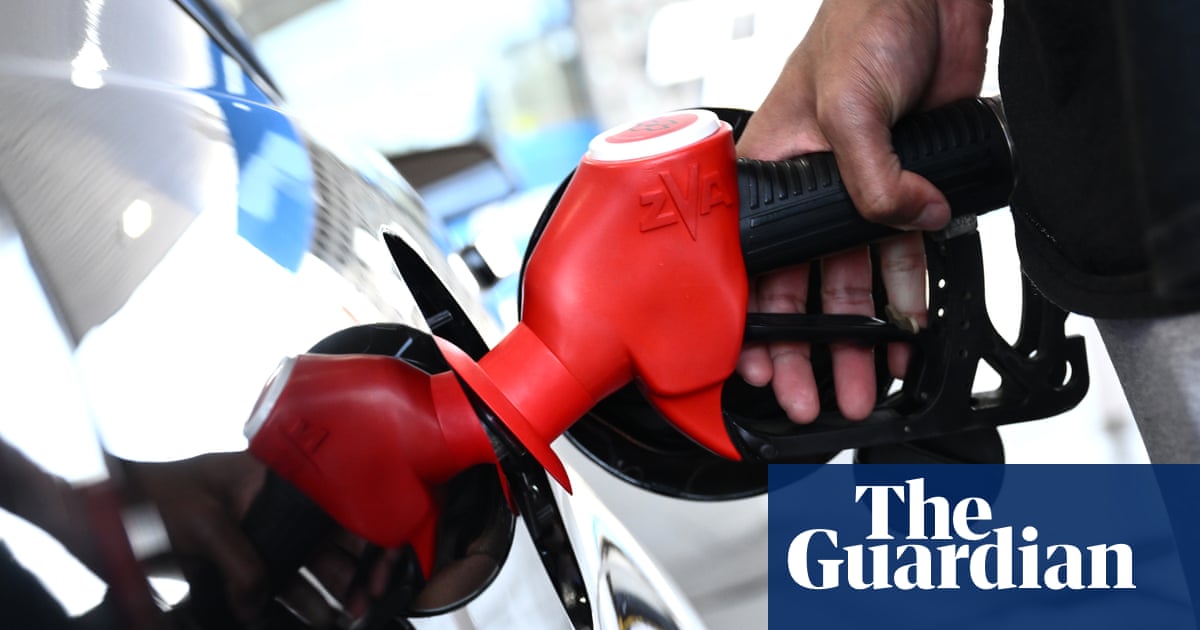
TL;DR: Australia is preparing daily fuel purchase caps while the International Energy Agency warns global oil markets could enter a critical ‘red zone’ by August.
Context The federal government has drafted contingency plans for retail fuel rationing after the International Energy Agency (IEA) warned that dwindling oil stocks could push markets into a “red zone” by August. The warning follows a sharp decline in Middle‑East exports and rising international pressure on supplies.
Key Facts - Officials have outlined a “maximum transaction value per vehicle per day,” effectively limiting how much fuel a single car can buy at a service station within 24 hours. The measure remains a worst‑case scenario; leaders have publicly dismissed the need for rationing so far. - Under the Liquid Fuels Emergency Act, energy minister Chris Bowen can declare a liquid fuel emergency, granting powers to direct supply and impose rationing if market‑based actions fail. - The government has bolstered reserves, securing 600 million litres of diesel and 100 million litres of jet fuel through 14 additional cargoes from Singapore, China, Brunei and other sources. A $10 billion fuel‑security package underpins these purchases. - Internal notes from the National Oil Supply Emergency Committee show state representatives are already discussing how demand‑side controls would be communicated, aiming to avoid public panic. - The IEA’s August “red zone” forecast signals that global oil inventories could fall below levels needed to absorb sudden demand spikes, raising the risk of price spikes and supply gaps.
What It Means If the government activates daily caps, motorists could see a limit on the amount of petrol or diesel they can fill each day, similar to measures used in other countries during fuel crises. The caps would likely target high‑volume purchases, aiming to spread limited supplies more evenly across users.
Industry officials remain the government’s first line of defence; the plan assumes that fuel retailers will manage distribution without ministerial intervention. Should stocks tighten further, the emergency powers could compel suppliers to prioritize essential services such as emergency responders and public transport.
The IEA’s red‑zone alert adds urgency to the scenario. With global inventories projected to shrink, Australia’s pre‑emptive stock acquisitions may buffer domestic markets, but they also highlight the country’s reliance on imported fuel.
Looking ahead, watch for any formal declaration of a liquid fuel emergency and the rollout of purchase limits, as well as updates from the IEA on global stock levels through the summer months.
Continue reading
More in this thread
Neogenyx Fuels Breaks Ground on Nebraska Feedlot Renewable Natural Gas Plant
Elena Voss
One‑Quarter of Executives Say AI Is Reshaping Business Models, Adoption Leaps Ahead in Asia and Africa
Elena Voss
Asia’s Startup Funding Surpasses $229 Million, Led by WIRobotics and Scapia
Elena Voss
Conversation
Reader notes
Loading comments...