Assaulted Uber Driver Says Platform's Deactivation Felt Worse Than the Attack
An Uber driver in Australia stated his account deactivation following a passenger assault was more distressing than the physical attack itself, sparking platform policy debate.
TL;DR
An Uber driver in Australia stated his account deactivation felt worse than a physical assault. This highlights concerns over platform policies that impact driver livelihoods.
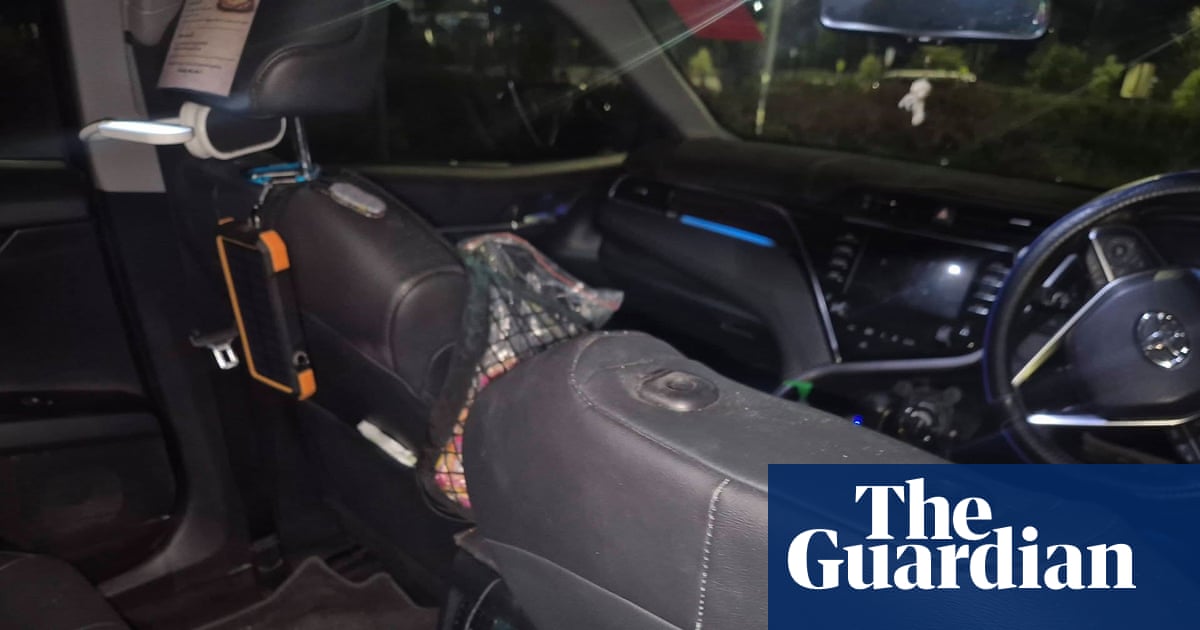
Michael Thorn, an Uber driver in Australia, suffered a physical assault by passengers. He found the subsequent deactivation of his Uber account more distressing than the attack itself. Thorn relied on his earnings, approximately $700 weekly, to cover medical bills and rising fuel costs.
Following the incident, Uber deactivated Thorn's account. This action immediately cut off his primary income, impacting his ability to manage essential expenses. While Uber reinstated his account after four days, the initial deactivation underscored a broader issue regarding platform responses to driver incidents.
The Fair Work Commission, Australia's independent workplace tribunal, has recently intervened in similar cases. The Commission ruled Uber must compensate another driver for nearly two months of lost wages after a wrongful deactivation following an alleged passenger assault. This decision points to a pattern of platform actions affecting driver income and stability.
The reliance on automated systems for account management often results in swift deactivations without immediate human review or procedural fairness. This places the burden of dispute resolution on individual drivers, often requiring intervention from external bodies. The contrast between physical safety incidents and the platform's administrative responses draws scrutiny, raising questions about support mechanisms for drivers.
The industry will observe how ride-share platforms evolve their deactivation policies to ensure both operational efficiency and driver protection.
Continue reading
More in this thread
Equinox Compliance Hosts Crypto Regulation Panel and San Diego Premiere of 'Self Custody'
Elena Voss
Mining and Retail Lead Peru’s Renewable Energy Surge
Elena Voss
Bally’s Intralot Posts 35.5% Revenue Rise in 2025 After BII Merger, Core Business Slips
Elena Voss
Conversation
Reader notes
Loading comments...