Artemis II Breaks Apollo 13's Deep‑Space Distance Record After 56 Years
Artemis II reached 252,756 miles from Earth, beating the Apollo 13 record by 4,101 miles after nearly 56 years. Details on the mission and what comes next.
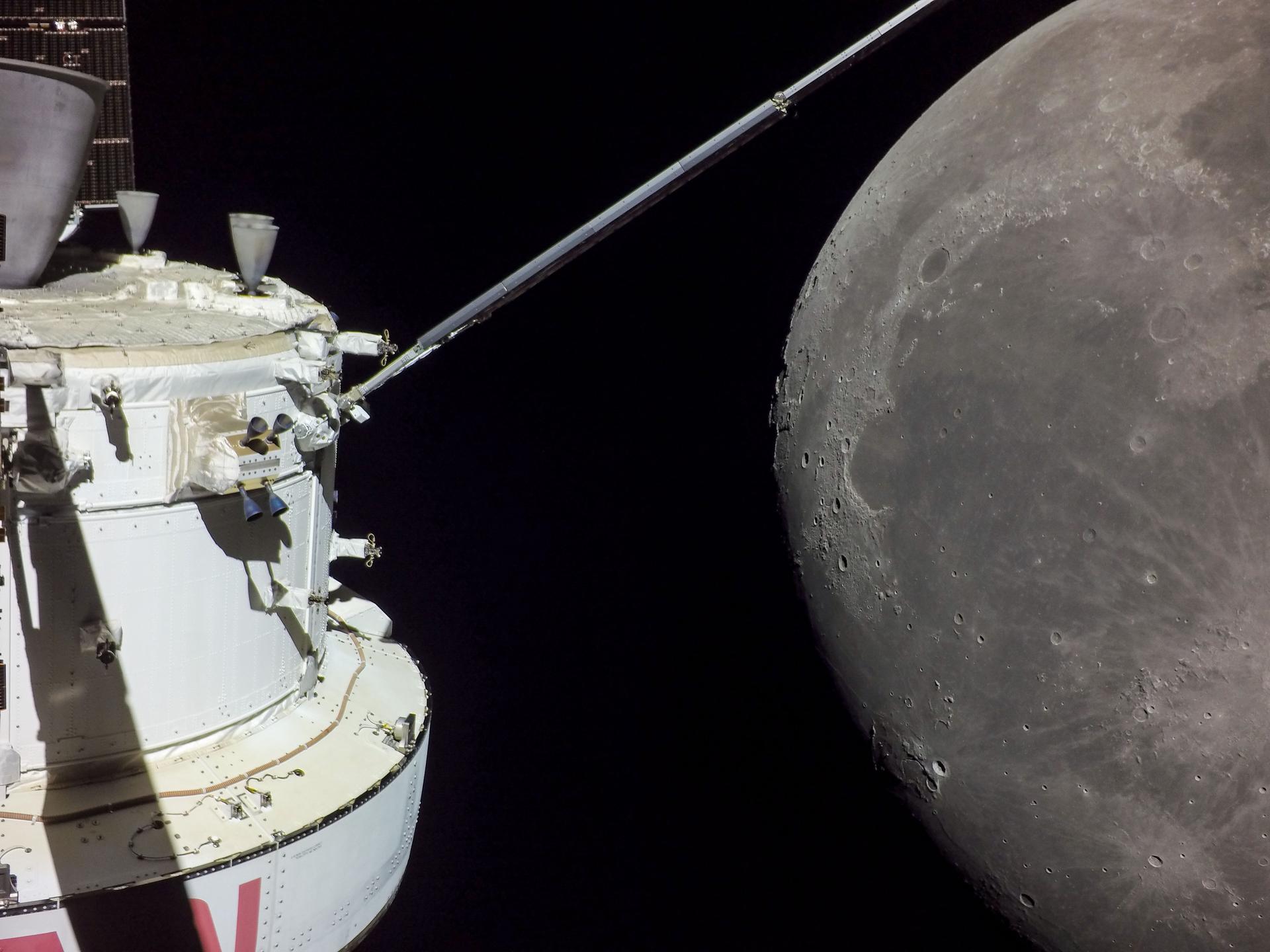
During Artemis I, the SLS (Space Launch System), roared into the night sky and sent the Orion spacecraft on a 1.4-million-mile journey beyond the Moon and back.
TL;DR
Artemis II reached a distance of 252,756 miles from Earth, beating the Apollo 13 record by 4,101 miles. The record had stood for almost 56 years.
Context NASA launched Artemis II on the Space Launch System. The Orion capsule followed a free‑return trajectory, looping around the Moon and using its gravity to slingshot back to Earth. The mission tested life support, navigation, and the heat shield for future crewed landings.
The flight path took the spacecraft beyond the far side of the Moon, maximizing distance while minimizing propellant use. No humans had traveled farther since the Apollo era.
Prior to Artemis II, the farthest human distance was set during Apollo 13, when an abort forced the crew to loop around the Moon at 248,655 miles. That mark remained unchallenged for decades.
Key Facts Artemis II peaked at 252,756 miles (406,771 kilometers) from Earth's center. Apollo 13's peak was 248,655 miles (400,171 kilometers). The difference is 4,101 miles, a 1.65 percent increase over the previous record. The Apollo 13 record lasted 55 years, 11 months, and about 20 days before being surpassed.
What It Means The flight proves Orion and SLS can support deep‑space crewed missions beyond low Earth orbit. It validates the free‑return trajectory as a safe abort option for future lunar landings. Artemis II sets a benchmark for Artemis III and later missions, which aim to land astronauts on the Moon's surface. The next milestone to watch is Artemis III's planned landing, which will test whether humans can conduct longer stays on the Moon.
Continue reading
More in this thread
First-ever footage shows Sumatran orangutan using canopy bridge to cross road
Dr. Leo Tanaka
First-ever footage shows Sumatran orangutan using canopy bridge, sparking hope for species survival
Dr. Leo Tanaka
Cretaceous Octopus May Have Reached 19 Meters, Challenging Vertebrate‑Only Apex Predator View
Dr. Leo Tanaka
Conversation
Reader notes
Loading comments...