Armenian PM Pashinyan Calls Russia a Superpower During Election Campaign
Prime Minister Nikol Pashinyan urges respect for Russia as a superpower, targeting its president and government head during a May 20 campaign speech.
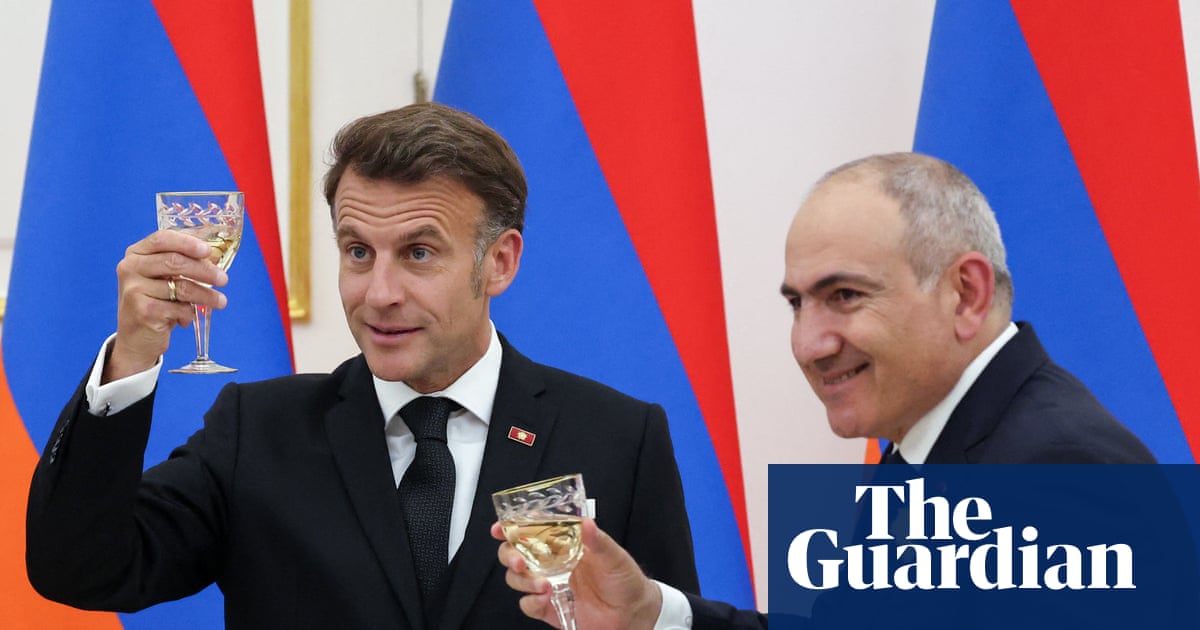
*TL;DR: Armenian Prime Minister Nikol Pashinyan labeled Russia a superpower and demanded diplomatic respect for its president and government head during a May 20 election rally.
Context Armenia’s political landscape is heating up as parties vie for votes ahead of the September parliamentary election. The country balances a historic security pact with Russia against growing ties to the European Union and the United States. In this volatile setting, Pashinyan’s remarks signal a strategic recalibration of Armenia’s foreign‑policy tone.
Key Facts - On May 20, while addressing supporters, Pashinyan declared that Russia must be “regarded and treated as a superpower.” - He extended the directive to Russia’s top officials, stating that the same respect should be shown to the Russian president and the head of its government. - The statements were delivered during an election campaign, positioning the message as part of Pashinyan’s broader diplomatic narrative.
What It Means Pashinyan’s language marks a departure from the more cautious phrasing used by previous Armenian leaders, who typically described Russia as a “strategic partner.” By invoking the term “superpower,” the prime minister underscores Russia’s capacity to influence regional security, energy routes, and economic ties. The call for respect toward both the president and the prime minister suggests an effort to engage with Russia’s dual executive structure, potentially smoothing negotiations on issues such as the Nagorno‑Karabakh conflict and military cooperation.
Domestically, the remarks may aim to reassure voters who view Russian backing as essential for national defense, especially given recent tensions on Armenia’s borders. At the same time, the statement could be read as a signal to Western partners that Armenia seeks a balanced approach rather than a wholesale pivot away from Moscow.
Looking ahead, observers will watch how Pashinyan’s stance influences Armenia’s diplomatic engagements, particularly any upcoming talks with Russian officials and the impact on the country’s election platform.
Continue reading
More in this thread
Conversation
Reader notes
Loading comments...