Antwerp Cocaine Seizures Fall to 55 Tonnes in 2025 After Record Highs
Antwerp’s cocaine seizures fell to 55 tonnes in 2025, down from a record 121 tonnes in 2023, while cumulative totals from 2019‑mid‑2024 reached 483 tonnes, the highest among EU reporting ports.
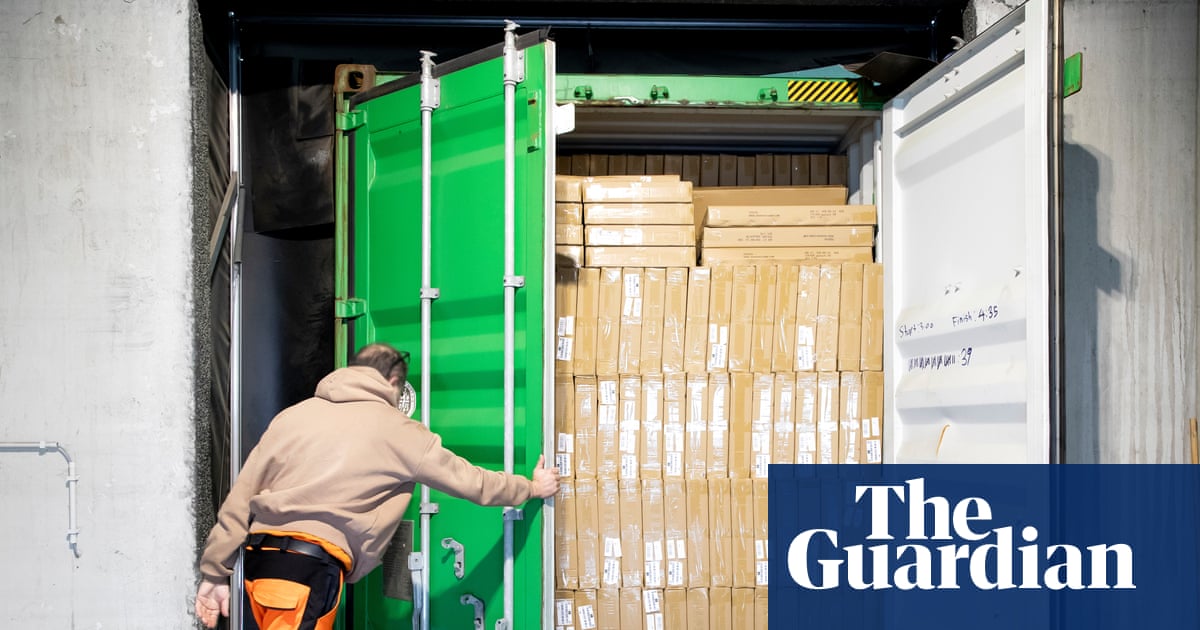
TL;DR: Antwerp’s cocaine seizures fell to 55 tonnes in 2025, down from a record 121 tonnes in 2023, while cumulative seizures from January 2019 to June 2024 reached 483 tonnes, the highest among 17 EU reporting ports.
Context: Antwerp is Europe’s second‑largest port, moving roughly 13.6 million 20‑foot containers each year. Its location makes it a primary gateway for cocaine from South America, especially after Dutch criminal groups redirected focus from Rotterdam to Belgium. Meanwhile, cocaine production in Colombia has risen sharply over the past decade, increasing the volume available for smuggling. The port’s extensive rail and road connections enable rapid distribution of seized or illicit goods across continental Europe.
Key Facts: Between January 2019 and June 2024, Antwerp authorities seized 483 tonnes of cocaine, more than any other EU reporting port. In 2023 seizures peaked at 121 tonnes, but dropped to 55 tonnes in 2025. Van Cotthem, a Belgium customs and excise communications officer, described the smuggling battle as a 'cat and mouse game,' noting that traffickers constantly adapt their methods.
What It Means: The 2025 decline coincides with expanded scanning capacity; nine mobile scanners checked 65 000 high‑risk containers that year, with plans to reach 350 000‑400 000 scans annually via fixed conveyor‑belt systems. Traffickers are responding by altering routes—using West African transshipment points, attempting sea‑drops with GPS‑tracked bundles, and experimenting with semi‑submersible vessels. In 2025 Ghana became the third most significant country of origin for cocaine seized in Belgium, behind Ecuador and Costa Rica, while Colombia fell to fifth place. Authorities have added specialized police units and are exploring ways to intercept aircraft, drones and submarines, though such operations often require military support. Customs officers undergo at least a year of training to identify subtle irregularities in container scans, such as a break in a pattern or something out of place. The evolving tactics suggest that while seizure volumes may fluctuate, the underlying flow of cocaine remains a persistent challenge. Watch for upcoming data on scanner effectiveness and any shifts in the geographic origins of seized cocaine.
Continue reading
More in this thread
Fact Check: Trump’s Executive Order Expands Cuba Sanctions and Authorizes Secondary Measures
Nadia Okafor
Utah Residents Urged to Oppose Rocky Mountain Power Coal Plan Before PSC Deadline
Nadia Okafor
Two Nigerians Killed in South African Xenophobic Violence, UN Condemns Attacks
Nadia Okafor
Conversation
Reader notes
Loading comments...