Antwerp Cocaine Seizures Drop to 55 Tonnes in 2025 After Record Haul
Antwerp's cocaine interceptions dropped to 55 tonnes in 2025 after a record haul, as customs boost scanning and smugglers adapt routes.
TL;DR
Antwerp seized 55 tonnes of cocaine in 2025, a sharp decline from the 121 tonnes captured in 2023, while authorities expand high‑tech scanning to stay ahead of evolving smuggling methods.
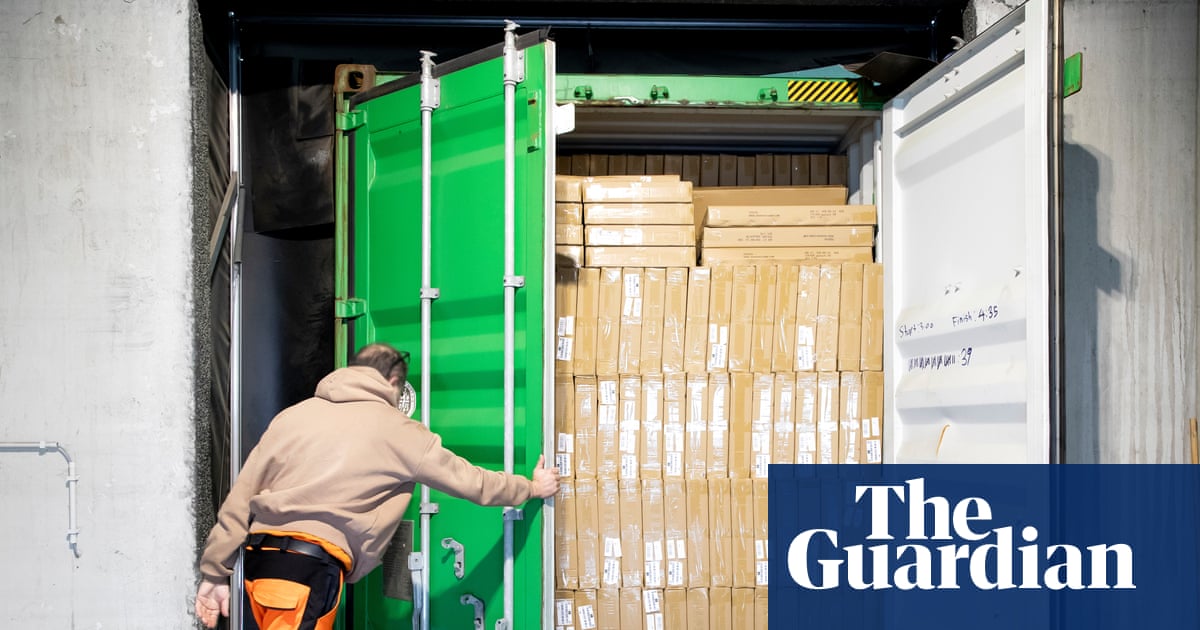
Antwerp handles the equivalent of 13.6 million 20‑foot containers annually, making it Europe’s second‑largest port and a key entry point for illicit drugs. Between January 2019 and June 2024, customs seized 483 tonnes of cocaine there, the highest total among the 17 EU ports that report to the European Union Drugs Agency.
The 2025 figure of 55 tonnes marks a 55% drop from the 2023 record. Customs communications officer Sara Van Cotthem describes the battle as “a cat and mouse game,” noting that smugglers constantly devise new concealment tricks—from orange‑juice‑soaked packets to hidden pallets in wooden beams.
To counter these tactics, Antwerp has deployed six mobile scanners and nine fixed‑belt scanners, raising the number of risky containers inspected to 65 000 in 2025. Officials aim to reach 350 000‑400 000 scans annually. Training now includes spotting subtle pattern breaks in X‑ray images, a skill that takes officers up to a year to master.
Smugglers are also shifting routes. In 2025, Ghana rose to the third‑largest source of seized cocaine in Belgium, overtaking traditional Colombian shipments, which fell to fifth place. Traffickers are using West‑African transits, sea‑borne “mother vessels” that offload waterproof bundles, and even semi‑submersible craft capable of crossing the Atlantic without crew.
Customs head Kristian Vanderwaeren warns that the threat extends to air routes, citing past interceptions of cocaine‑laden private jets bound for Belgium. He says the agency is exploring ways to monitor drones, aircraft and autonomous submarines, often requiring military support.
The decline in seizures does not signal the end of the problem. While increased scanning and specialized police units have tightened controls, the adaptability of drug networks means the volume of cocaine entering Europe could rebound if enforcement lags.
What to watch next: Expect further investment in automated scanning, greater inter‑agency cooperation with military assets, and tighter scrutiny of containers originating from West Africa as authorities chase the next evolution in smuggling tactics.
Continue reading
More in this thread
Conversation
Reader notes
Loading comments...