Antitrust Shift, Not Merger Block, Led to Spirit Airlines’ Decline
Spirit Airlines' decline stemmed from cost pressures and competition, not solely the blocked JetBlue merger. An earlier antitrust action against JetBlue proved more pivotal for the airline industry.
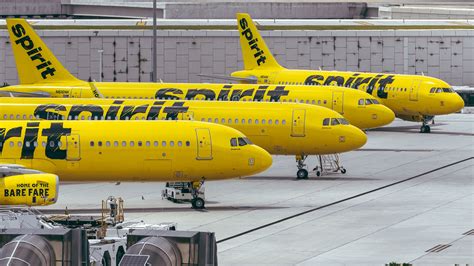
Spirit Airlines aircraft lineup at airport gate
TL;DR
Spirit Airlines' operational decline stems from internal cost pressures and market competition, not primarily the blocked merger with JetBlue. A prior antitrust action against JetBlue fundamentally altered its strategic direction, contributing more significantly to the broader market shifts impacting Spirit.
Context The narrative that Spirit Airlines failed solely because the Biden administration blocked its acquisition by JetBlue presents an incomplete picture. Spirit's decline resulted from rising operating costs and a product offering that struggled against competitors. Larger airlines adapted, providing slightly enhanced services at comparable fares, which drew customers away from Spirit's ultra-low-cost model.
Key Facts JetBlue's financial position also complicated any long-term benefit for Spirit. JetBlue has reported unprofitability for six consecutive years, leading it to compensate pilots to retire early and scale back operations. An acquisition would likely have paid Spirit's shareholders, but JetBlue's cutbacks suggest Spirit's operational assets might not have continued under the JetBlue brand.
A more pivotal antitrust intervention occurred earlier. The Department of Justice (DOJ) successfully sued to dissolve the Northeast Alliance (NEA) between American Airlines and JetBlue. This partnership had granted JetBlue significant expansion in Boston, New York, and Fort Lauderdale.
The DOJ had previously asserted JetBlue is unique among low-cost airlines, providing high-quality service and saving travelers billions of dollars through the "JetBlue Effect." However, the agency's stance shifted dramatically in blocking the Spirit merger, contending JetBlue would become a monopolist that would raise prices.
What It Means The dissolution of the American Airlines-JetBlue partnership removed a core pathway for JetBlue's strategic growth. This earlier antitrust action effectively nullified the rationale for JetBlue to acquire Spirit, as the merger's purpose was to support NEA expansion. This highlights a notable shift in regulatory enforcement, moving from recognizing JetBlue as a pro-consumer disruptor to classifying it as a potential monopolist.
This broader regulatory environment reshaped airline strategy and contributed to the market conditions that ultimately impacted Spirit. Investors and industry observers will now monitor how evolving antitrust interpretations continue to influence airline consolidation and competitive landscapes.
Continue reading
More in this thread
Conversation
Reader notes
Loading comments...