Alex Zanardi’s Legacy: Paralympic Gold, Engineering Wit, and a Life Cut Short at 59
Alex Zanardi, Paralympic gold medalist and former F1 driver, died at 59. Explore his achievements, engineering insight, and impact on adaptive sport.
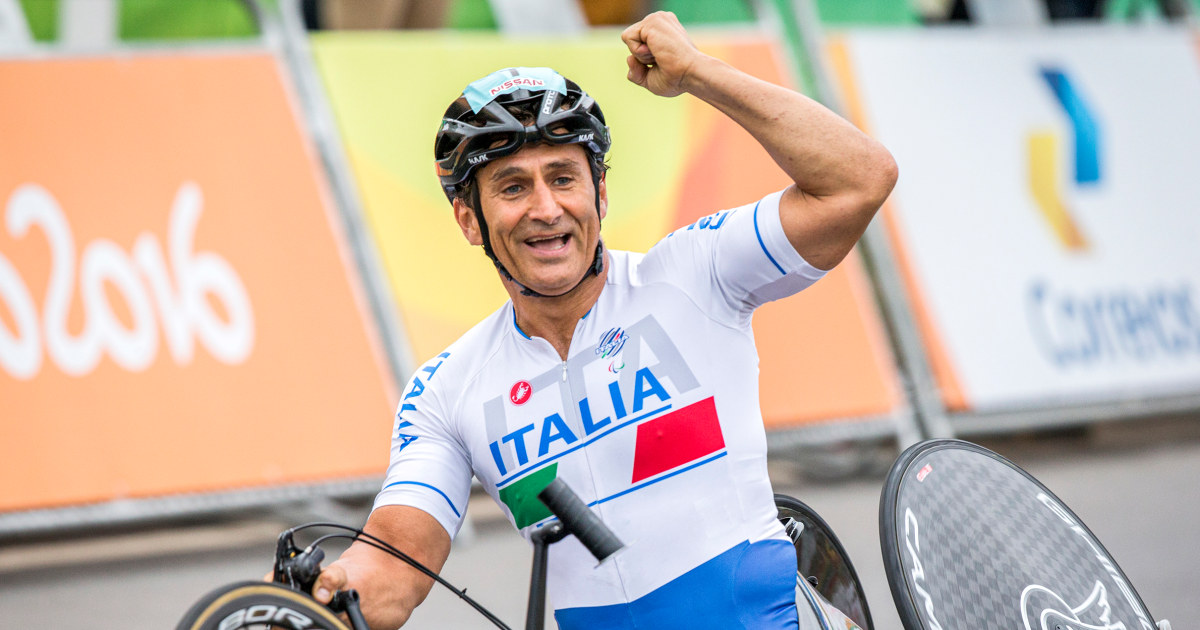
TL;DR: Alex Zanardi, who won Paralympic gold in 2012 and famously said it was faster to adjust his prosthetic legs than car pedals, died at 59, marking the end of a career that blended elite motorsport with adaptive innovation.
Zanardi’s death at 59 closes a chapter that spanned Formula 1, IndyCar victories and a gold medal in the men’s road time trial H4 at the 2012 London Paralympics. He claimed the title on a Dallara‑built handbike, a machine that turned his upper‑body strength into speed.
After a 2001 crash that severed both legs, Zanardi turned adversity into engineering advantage. While testing a BMW‑Sauber in Valencia in 2006, he quipped that shortening his prosthetic limbs was quicker than redesigning the car’s pedals. The remark underscored his hands‑on approach to adaptation, a mindset that kept him competitive against able‑bodied drivers.
His post‑accident résumé includes a fifth‑place qualifying run at the Lausitzring, a podium finish in the World Touring Car Championship, and a comeback speech in Toronto that urged spectators not to mourn his absence. Each achievement reinforced a pattern: Zanardi consistently matched or exceeded benchmarks set for able‑bodied athletes.
The legacy he leaves is twofold. First, his 2012 gold medal set a performance standard for the H4 handbike class, prompting manufacturers to prioritize lightweight frames and ergonomic hand controls. Second, his public statements about prosthetic adjustments highlighted the speed at which adaptive technology can be integrated into high‑performance sport, influencing teams to collaborate more closely with engineers and medical specialists.
Zanardi’s story illustrates how personal resilience can drive technical progress. As adaptive sports gain visibility, his example will likely shape funding decisions and research priorities, especially in prosthetic design for elite competition.
What to watch next: The next Paralympic cycle will test whether new handbike technologies, spurred by Zanardi’s approach, can lower race times and broaden participation across disability classes.
Continue reading
More in this thread
Conversation
Reader notes
Loading comments...