Albanese government plans to cut NDIS rolls by 160,000 and slash budget to $55bn by 2030
Australia's NDIS faces significant overhaul: at least 160,000 participants will exit, and the budget will drop to $55 billion by 2030, as the Albanese government addresses rising costs.
TL;DR
The Albanese government plans to reduce the number of National Disability Insurance Scheme (NDIS) participants by at least 160,000 and cut the scheme's budget to $55 billion by 2030. These measures aim to control rising costs and ensure the NDIS's long-term sustainability.
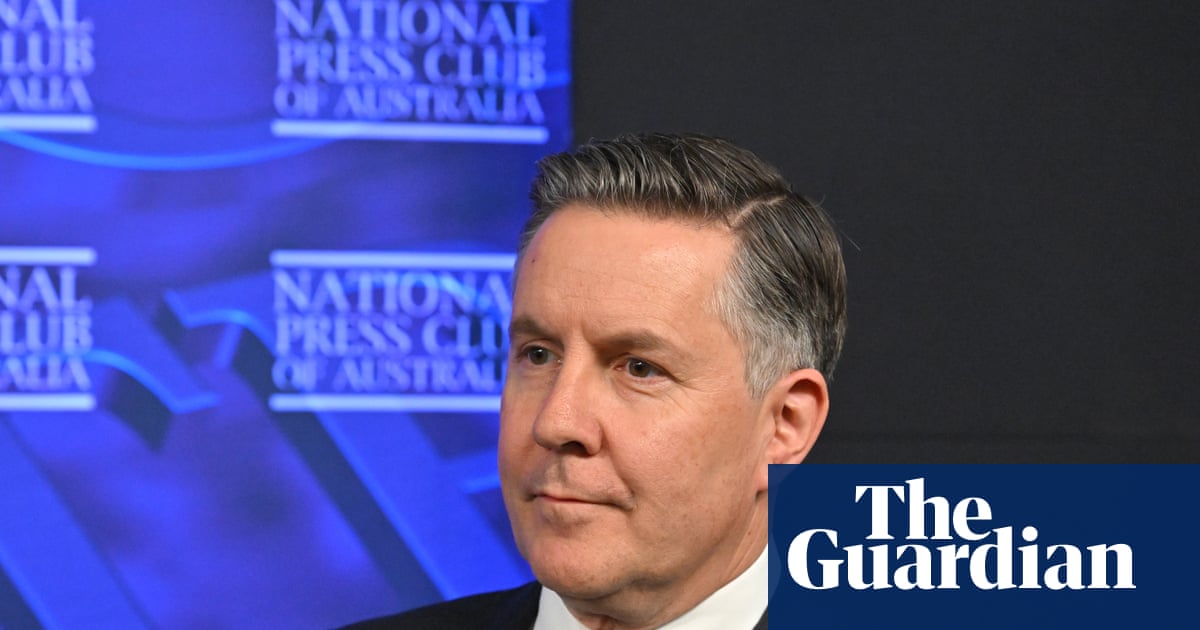
Australia's National Disability Insurance Scheme (NDIS) faces a significant overhaul, as the Albanese government announced plans to reduce its participant base and expenditure. The scheme's costs have seen substantial growth, compelling government action. Health Minister Mark Butler detailed the changes, emphasizing the necessity of these reforms for the NDIS's future sustainability.
The NDIS currently supports about 760,000 people. Without intervention, projections indicated participant numbers could exceed 900,000 by 2030. The government now projects a reduction of at least 160,000 people from the scheme by 2030, aiming for approximately 600,000 participants.
Concurrently, the NDIS budget is projected to fall from its current trajectory of over $70 billion to roughly $55 billion by the end of the decade. The scheme's cost grew by more than 10.3% last year, and it was previously on track to cost $63 billion by 2028-29.
Minister Butler described these decisions as "hard but necessary and urgent." The government aims to cap the scheme's annual growth rate at 2% until 2030. This strategy includes increasing the categories of service providers required to register, particularly for higher-risk activities. These include personal care, daily living supports, and services provided in closed settings.
This reform package signals a recalibration of the NDIS's scope and financial trajectory. While the government frames these changes as essential for sustainability, they also raise questions about support for individuals no longer eligible for the scheme. The policy anticipates a potential shift in responsibilities, which could impact state and territory services. Watch for ongoing discussions between federal and state governments, and the development of new support mechanisms for those transitioning off the NDIS.
Continue reading
More in this thread
Four Arrested in Dawn Raid Over £44m ECO4 Insulation Fraud
Nadia Okafor
Trump Administration Eyes Sending 1,100 Afghan Allies to Congo Amid Resettlement Stalemate
Nadia Okafor
Virginia Court Halts Redistricting Referendum, Democratic Seat Gains Uncertain
Nadia Okafor
Conversation
Reader notes
Loading comments...