Albanese Ties Capital Gains Reform to Intergenerational Equality in Resilience‑Focused Budget
Prime Minister Albanese says the upcoming budget will overhaul capital gains tax discounts to tackle intergenerational inequality, with resilience as the guiding theme.
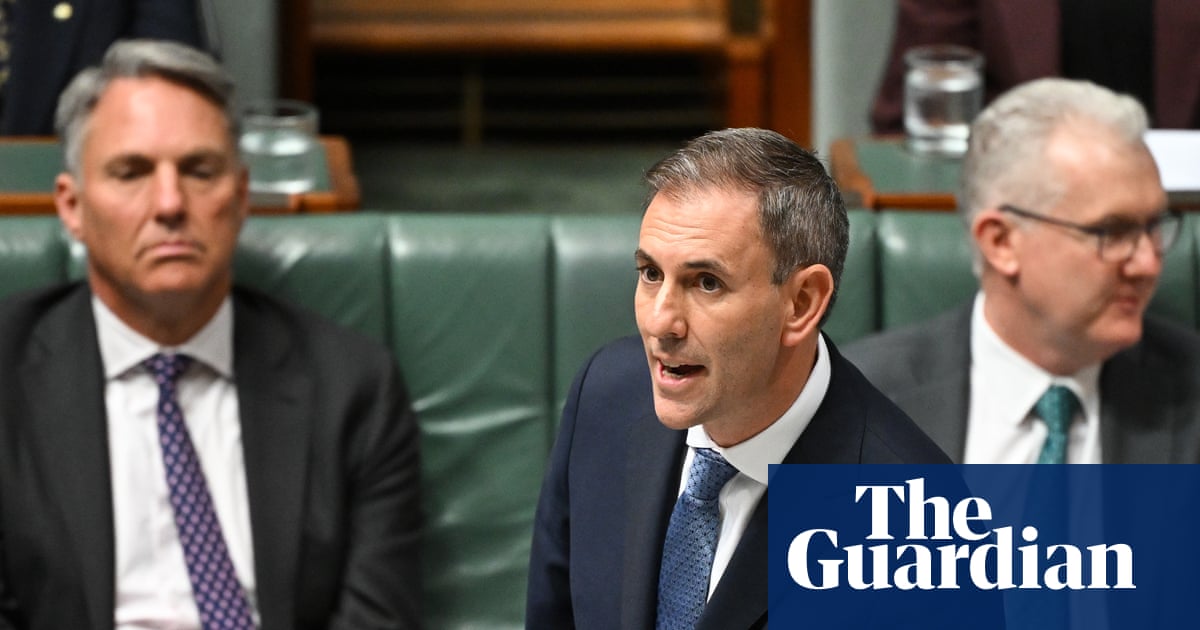
*TL;DR: The upcoming Australian budget will revamp capital‑gains tax discounts to address intergenerational inequality, and the government frames the plan under a “resilience” theme as a rate rise from the Reserve Bank looms.
Context Prime Minister Anthony Albanese announced Wednesday that the next federal budget will centre on “resilience.” He linked the concept to domestic production, reduced exposure to global shocks such as pandemics, conflicts, and cyber‑attacks, and a broader social agenda.
Key Facts - The budget will introduce changes to capital‑gains tax (CGT) discounts. Current CGT discounts allow investors to pay lower tax on profits from assets held longer than a year. The reform aims to narrow the gap between wealthy asset owners and younger Australians, a gap Albanese describes as “the cancer eating away at the fabric of Australian society.” - Albanese framed the CGT overhaul as a direct tool to curb intergenerational inequality, meaning the disparity in wealth and opportunity between older and younger generations. - The Reserve Bank of Australia (RBA) is expected to raise its cash rate soon, a move that would increase borrowing costs across the economy. A higher rate typically slows spending and can affect investment decisions, including those tied to capital gains.
What It Means The CGT discount changes could reduce the effective tax break for long‑term investors, potentially raising revenue while narrowing wealth concentration. Younger Australians, who face higher housing costs and lower asset ownership, may see a modest easing of the wealth gap if the reforms limit tax advantages for large portfolios. A looming RBA rate hike adds complexity. Higher interest rates raise mortgage repayments and corporate financing costs, which could dampen the appetite for investment in assets that generate capital gains. If the budget’s resilience narrative includes tighter fiscal discipline, the combined effect may be a slower growth environment but a more equitable distribution of wealth. Businesses that rely on asset sales to fund expansion may need to reassess timing and structure of transactions. Financial advisers are likely to advise clients on the new CGT landscape and the impact of higher borrowing costs. The budget’s resilience theme suggests further measures to bolster domestic supply chains and reduce reliance on volatile global markets. Observers will watch for complementary policies—such as incentives for local manufacturing or cybersecurity funding—that align with the stated goal of making Australia less vulnerable to external shocks. What to watch next: The budget’s detailed CGT provisions, the RBA’s actual rate decision, and any accompanying resilience‑focused initiatives will shape Australia’s economic trajectory over the coming year.
Continue reading
More in this thread
EU Commission Chief Says Sanctions Squeeze Russian Economy as Kremlin Tightens Digital Grip
Nadia Okafor
Nigeria’s Education Minister Flags 15 Million Out‑of‑School Children, Calls for Data‑Driven Reform
Nadia Okafor
Farage says Reform UK Pressure Prompted Labour's Bin Strike Truce
Nadia Okafor
Conversation
Reader notes
Loading comments...