Alabama Legislature Files Record 1,046 Bills in 2026 Session, With Only 38% Passing
The Alabama Legislature filed a record 1,046 bills in 2026, with only 38% passing. Democratic bills faced higher committee death rates than Republican ones.
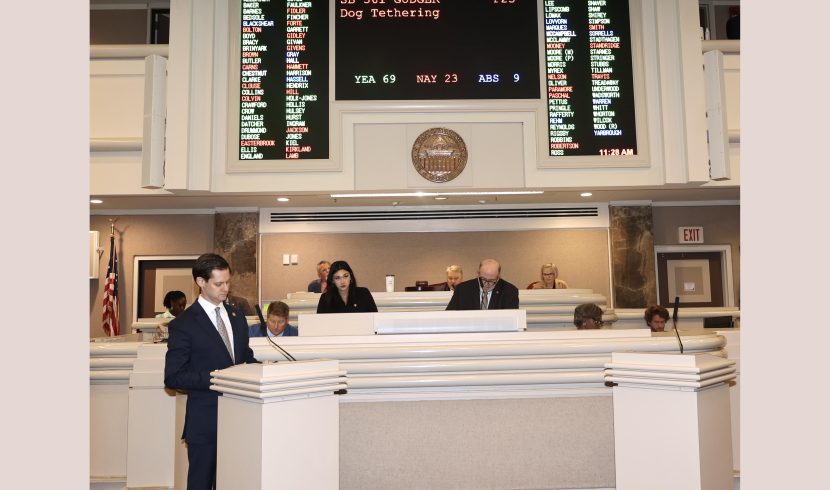
This is a picture of the final vote board for Beau's Law.
TL;DR
Alabama's 2026 legislative session saw lawmakers introduce a record 1,046 bills. Only 38% of these proposals advanced to become enacted laws, highlighting significant challenges within the legislative process.
The Alabama Legislature's 2026 session recently concluded, marked by an unprecedented introduction of new legislative proposals. This period saw a significant surge in efforts to shape state law, establishing a new record for the number of bills filed within a single session. This increased activity points to a busy legislative calendar.
Lawmakers filed 1,046 bills during the session. This figure represents the highest number introduced in the past five regular sessions and an 8% increase compared to the previous legislative period. Despite this robust volume of proposed legislation, only 402 bills passed both chambers. This means just 38% of all introduced bills ultimately became enacted laws.
The legislative journey proved particularly challenging for many of these proposals, with a notable disparity between parties. Over half of all bills introduced by Democratic lawmakers, specifically 50.4%, failed to advance beyond the committee stage. These bills often died without receiving any formal consideration or a committee hearing, a pivotal step required for legislative progression.
Conversely, Republican-sponsored bills faced a different outcome. Approximately one-quarter of these bills, 25.7%, died in committee. Legislative committees function as critical gatekeepers in the lawmaking process. Committee chairs, typically members of the majority party, wield significant influence by controlling which bills are prioritized for discussion, debate, and eventual votes.
This clear disparity highlights how the legislative structure and committee control impact the success rate of proposed laws. A substantial number of initiatives, regardless of their initial intent, did not complete the full legislative path to enactment. Future sessions will indicate whether this trend of high bill filings and a lower overall passage rate continues, and how legislative priorities navigate the committee process under current political dynamics.
Continue reading
More in this thread
Trump Declares US-Iran War 'About to End' Amid Renewed Pakistan-Mediated Talks
Nadia Okafor
Trump Loyalist Joe diGenova to Lead DOJ Probe of Officials Who Investigated Him
Nadia Okafor
Four U.S. and Mexican Anti-Cartel Officials Killed in Chihuahua Crash
Nadia Okafor
Conversation
Reader notes
Loading comments...