Air India Posts $2.4 Billion Loss as Leadership Void Looms Before Crash Report
Air India’s FY 2026 loss hit $2.4 billion, the Tata Group’s largest loss‑making unit, as CEO Campbell Wilson resigned and the airline awaits the Ahmedabad crash report.
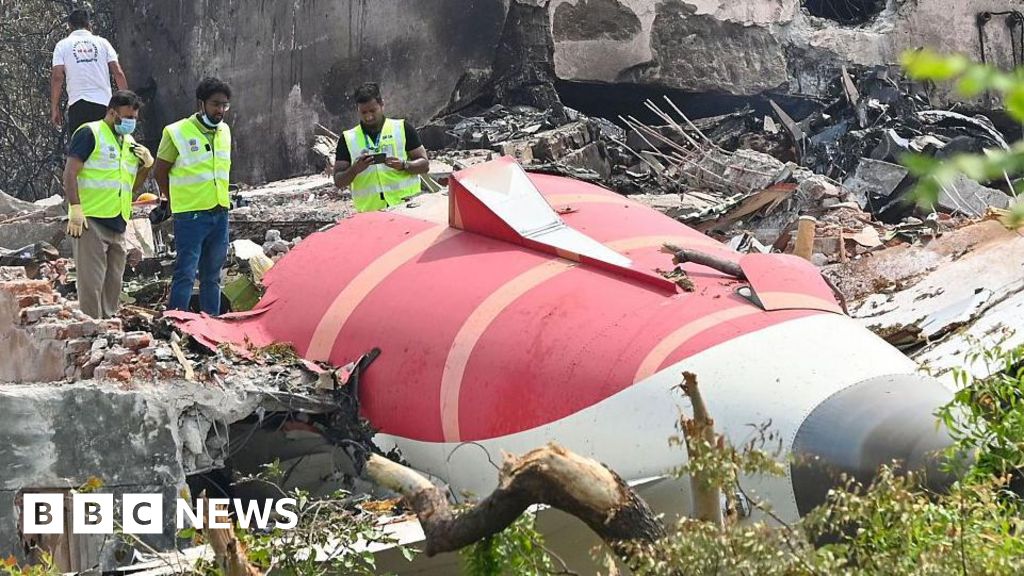
Photo from Air India plane crash site, taken on June 13, 2025 in Ahmedabad. The tail of the plane is visible with men inspecting it.
TL;DR
Air India posted a $2.4 billion loss for the fiscal year ending March 2026, marking it as the Tata Group’s biggest loss‑making subsidiary. CEO Campbell Wilson resigned amid the shortfall, while the airline awaits the final Ahmedabad crash report.
Context Air India’s loss emerged as it grappled with delayed aircraft deliveries, a rupee that fell over 10 % against the dollar, and a trimmed route network after 2024. Operational slip‑ups, such as a Delhi‑Vancouver flight that turned back for lacking Canadian clearance, added pressure on finances and reputation. Fuel expenses rose as the weaker rupee made dollar‑denominated jet fuel more costly, squeezing margins further. The Tata Group acquired Air India in 2022, promising a five‑year turnaround plan. Former executive Jitendra Bhargava said the plan has not delivered a happy ride, pointing to a widening gap between what the plan promised and what it has delivered. Last month the Tata board convened to discuss cost‑cutting measures and warned staff of tough times ahead.
Key Facts Financial statements for FY 2026 recorded a $2.4 billion deficit, the largest the airline has ever posted. This figure makes Air India the single biggest loss‑making entity inside the Tata Group’s portfolio. Leadership wise, Campbell Wilson stepped down as CEO mid‑term, creating a vacancy at a moment when steady direction is critical. Bhargava stressed that a clear vision is missing and that the post‑privatisation plan has not delivered a smooth ride. Singapore Airlines holds a 25.1 % stake in Air India and has participated in talks about deeper operational support.
What It Means Analysts warn that without fresh capital and tighter oversight, the losses could deepen before any turnaround takes hold. The forthcoming Ahmedabad crash report may further affect public trust and invite stricter regulatory scrutiny. Industry observers say a fresh equity infusion or debt restructuring could stabilise the balance sheet. Watch for the Tata board’s next moves on cost‑cutting, potential infusion of funds from Singapore Airlines (a 25.1 % shareholder), and the appointment of a new CEO to steer the carrier through the pending investigation. Analysts expect the Aircraft Accident Investigation Bureau to release its final findings on the Ahmedabad crash within weeks, a development that could influence investor sentiment.
Continue reading
More in this thread
Duni Group Introduces Verified Carbon Footprint Calculator for Napkins
Elena Voss
Duni Group Rolls Out Carbon Trust‑Assured Footprint Calculator for Napkins and Table Covers
Elena Voss
NC Utilities Commission Halts Duke Energy Solar Procurement, Threatening 770 MW of New Power
Elena Voss
Conversation
Reader notes
Loading comments...