AI Training Gap Fuels Fear Among 60 Million U.S. Front‑Line Workers
Lack of AI training leaves 60 million U.S. front‑line workers uneasy despite rising labor demand. Explore the data and implications.
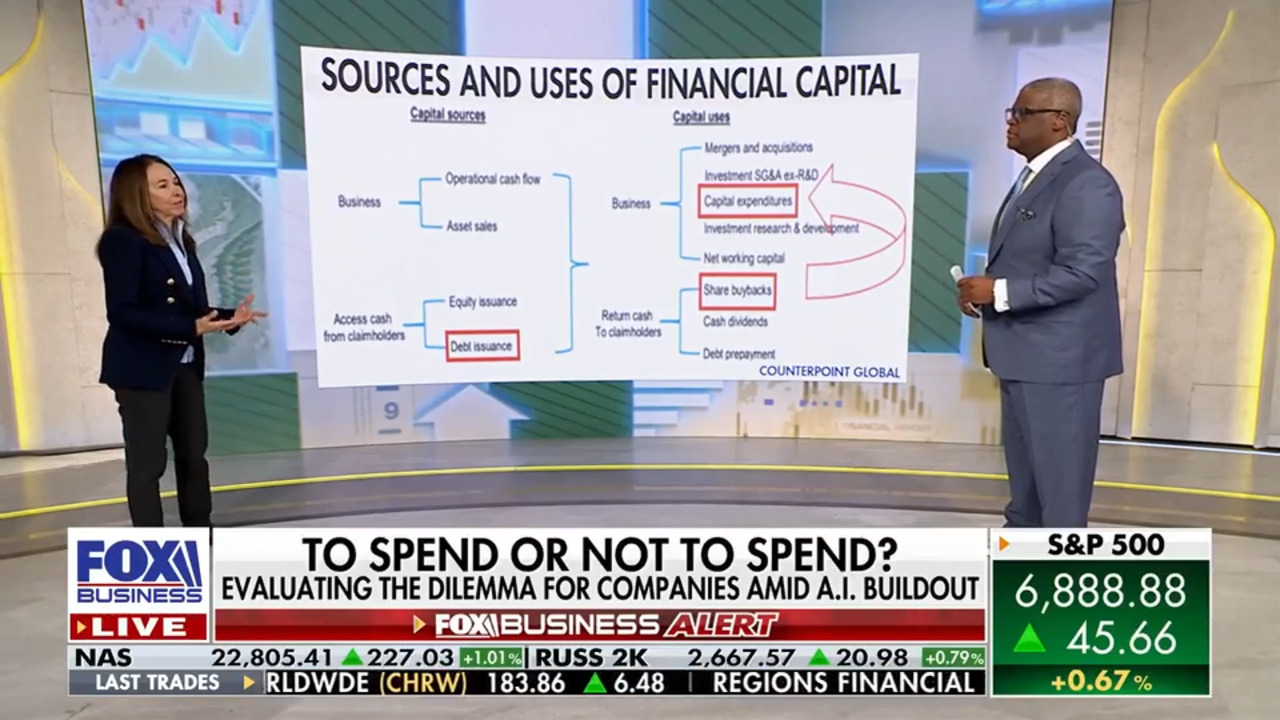
BD8 Capital Partners CIO Barbara Doran discusses how companies are valued in the AI era on 'Making Money.'
TL;DR
Sixty million U.S. front‑line and hourly workers face anxiety over AI because most receive no training, even as demand for their labor climbs.
Context The AI‑jobs debate often spotlights knowledge workers—analysts, coders, copywriters—who see their tasks automated. Yet a new Wage to Wallet study shows the real sleepless nights belong to the 60 million front‑line and hourly employees who keep stores, warehouses and service desks running.
Key Facts Only 40 % of these workers believe they could secure comparable jobs if displaced, indicating low confidence in their employability. The study found 37 % report that their employer has already introduced AI or automation, but nearly 60 % say they received no training on the new tools. A mere 12 % of firms consider themselves well‑prepared to manage AI‑driven workforce changes; chief financial officers cite skill gaps and organizational complexity as the biggest hurdles.
Ingo Payments CEO Drew Edwards warned that hearing “nobody will have a job in five years” scares workers, even though he cautions against assuming any current role is immune. WorkWhile CEO Simon Khalaf countered the doom narrative, noting a “dramatic acceleration in demand for human labor” and pointing out that AI in the Labor Economy mainly handles scheduling, shift assignment and workflow instructions—not the physical tasks of stocking shelves or serving customers.
Khalaf gave an example: a small team uses AI to direct tens of thousands of workers, eliminating middle‑management bottlenecks without cutting staff. Edwards described the shift as moving from doing the work to managing the technology that supports it, saying workers who learn to give directions to AI can “build software” alongside it.
What It Means The gap is not technological but communicative. Employers are deploying AI while leaving workers in the dark, creating a vacuum filled by fear. When 60 % of front‑line staff receive no training and only a fraction of firms feel ready for AI transitions, anxiety spreads among the very workers whose jobs are most needed.
Addressing the gap will require systematic reskilling programs and transparent rollout of AI tools. As platforms let workers experience tangible benefits, confidence may grow, turning fear into a competitive edge.
What to watch next: Companies’ rollout of AI training initiatives and any measurable impact on front‑line productivity and turnover rates.
Continue reading
More in this thread
Conversation
Reader notes
Loading comments...