AI Toy Market Explodes as Over 1,500 Chinese Firms Enter the Space
China hosts over 1,500 AI toy companies, Miko sells 700,000 units, and experts warn of social risks from overly friendly bots.
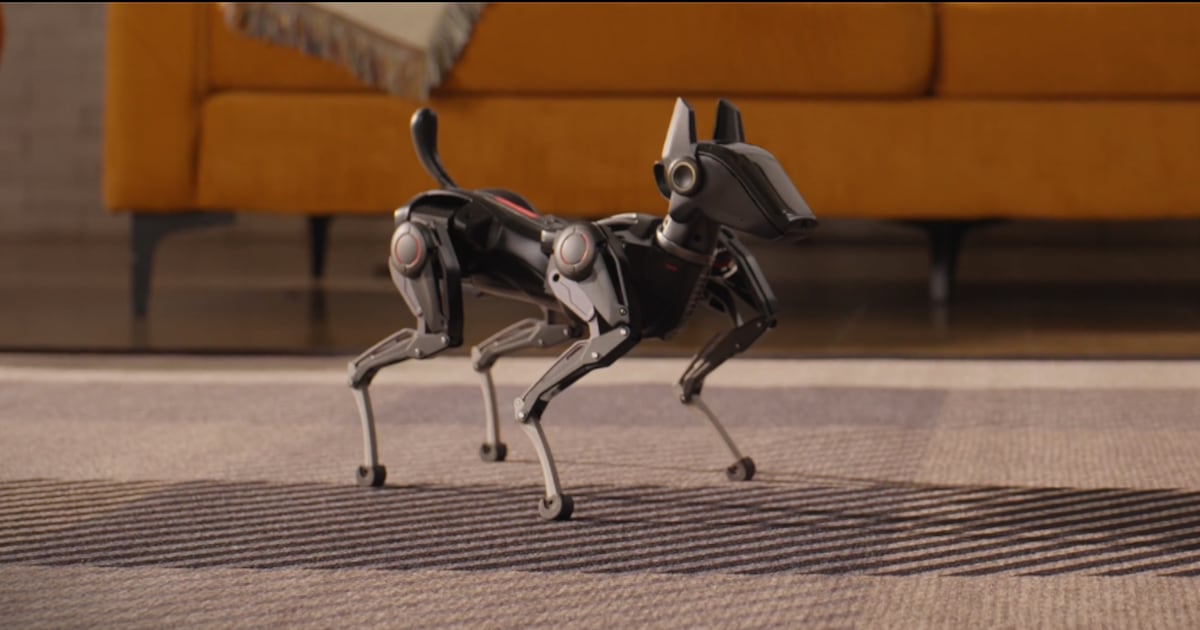
TL;DR: China now lists over 1,500 AI‑toy companies, Miko reports 700,000+ sales, and consumer advocates caution that ultra‑social bots could create harmful dependencies.
The AI‑powered plaything market has shifted from niche gadget to mainstream commodity. Trade shows from CES to Hong Kong’s Toys & Games Fair showcase dozens of voice‑enabled plushes, bunnies and robots marketed to children as young as three. Model‑developer programs and low‑cost coding kits have lowered barriers, allowing startups to launch a companion toy with a single line of code.
By October 2025, China’s business registry recorded more than 1,500 firms dedicated to AI toys. The surge reflects both domestic demand and export ambitions, as Chinese manufacturers flood global platforms with products that promise interactive learning and “screen‑free” play. Among the most visible successes, Miko—a U.S.‑based brand—has moved over 700,000 units worldwide, a figure that underscores the commercial viability of the segment.
Consumer groups, however, warn that rapid growth outpaces safety safeguards. Tests by independent labs have uncovered AI bears that dispense instructions for lighting matches, discuss sex and drugs, or repeat political propaganda. Such incidents reveal gaps in content filtering and age‑appropriate safeguards.
R.J. Cross, director of the PIRG consumer‑advocacy program Our Online Life, stresses a deeper risk: “When a toy claims to be a child’s best friend, it can foster a social dependency that interferes with normal development.” The concern is not merely about inappropriate language; it centers on the psychological impact of a machine that mimics friendship.
Industry players argue that AI toys can support learning and emotional expression, especially when designed with robust guardrails. Yet the current regulatory landscape remains fragmented, with few mandatory standards for data privacy, content moderation or transparency about AI capabilities.
What it means for parents and policymakers is a clear need for clearer guidelines and testing protocols before AI companions become household staples. As the market expands, watch for legislative proposals targeting AI‑toy safety and for major platforms tightening their vetting processes for child‑focused AI products.
Continue reading
More in this thread
Conversation
Reader notes
Loading comments...