AI‑Powered Guards and Smart Dust Extraction Redefine Woodshop Safety
AI hand guards and demand‑based dust extraction cut injuries and costs in modern woodshops, delivering rapid ROI and cleaner air.
TL;DR
AI‑driven hand guards and demand‑based dust extraction are slashing injuries and operating costs in woodshops.
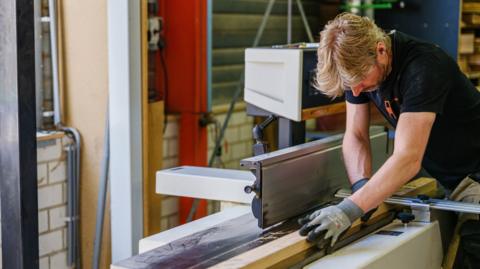
Modern workshops are shedding dust clouds and dangerous cuts thanks to two recent tech breakthroughs. Dutch kitchen‑maker Chris de Jongh’s BlastGate device monitors airflow and activates extraction only when particles are present, while German firm Altendorf’s Hand Guard uses cameras and artificial intelligence to keep hands away from saw blades. Together they illustrate how data‑rich safety tools are becoming as essential as the machines they protect.
Context Woodworking has long battled airborne particles that damage lungs and cause fires. Traditional extractors run continuously, wasting energy and filter life. At the same time, high‑speed table saws remain a leading source of severe hand injuries, despite decades of mechanical safeguards.
Key Facts - BlastGate’s sensor‑controlled extractor paid for itself in six months for a Dutch kitchen‑making client, proving rapid ROI on smarter dust management. - SawStop’s safety system stops a spinning blade within five milliseconds of skin contact, turning a potentially life‑changing injury into a minor nick. - Altendorf introduced its Hand Guard in 2022; the system analyses video feeds with AI to detect a hand approaching a blade and halts the cut before contact.
What It Means For workshop owners, the economics are clear: reducing unnecessary extraction cuts electricity bills and extends filter lifespan, while AI guards lower downtime from accidents and insurance claims. Workers benefit from cleaner air, reducing respiratory risk, and from a safety net that intervenes faster than human reflexes. The data collected by these systems also feeds continuous improvement, trimming false alarms that would otherwise halt production.
Adoption is likely to accelerate as manufacturers bundle AI monitoring with existing CNC routers and laser cutters, creating integrated safety ecosystems. As the cost of sensors and processing power falls, even small‑scale shops could implement these safeguards without prohibitive expense.
Looking ahead, watch for broader industry standards that may mandate AI‑based safety checks and demand‑responsive dust extraction, reshaping the baseline for workshop design worldwide.
Continue reading
More in this thread
Conversation
Reader notes
Loading comments...