AI Poetry Appeals to Lay Readers While GPT-4 Favors Simple, Repetitive Forms
Non-expert readers show a preference for AI-generated poetry due to its predictable structures and accessible language, challenging traditional views on literary value.
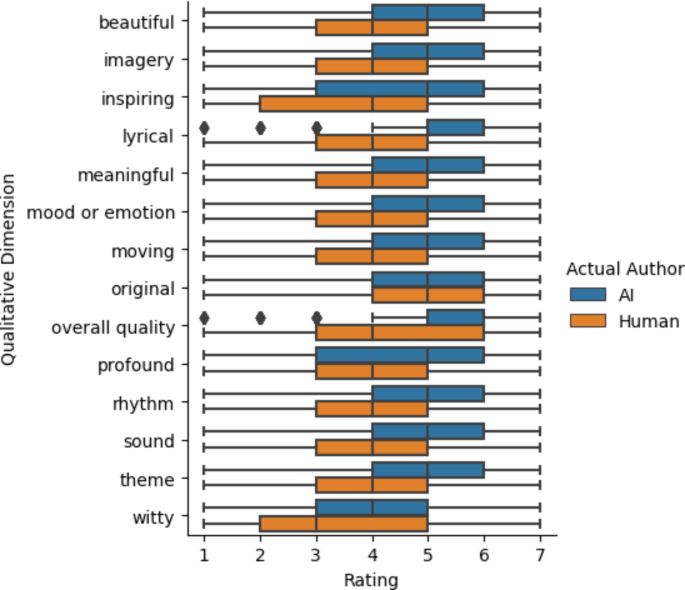
AI-generated poetry often appeals more to general readers than human-written verse, largely due to its predictable structures and accessible language.
The emergence of large language models (LLMs) like GPT-4 challenges established notions of human creativity. These sophisticated artificial intelligence systems now produce poetry, prompting a reevaluation of authorship and aesthetic value in the literary world. Their output frequently resonates with a broad audience, sparking conversations about the future of creative expression.
Findings indicate that non-expert poetry readers frequently prefer AI-generated poems over those written by humans. In controlled blind evaluations, some AI-produced poems achieve scores comparable to human-authored texts. This suggests a measurable appeal in machine-crafted verse among the general public, even when the authorship is unknown.
Analysis of GPT-4’s poetic output reveals consistent stylistic tendencies. The model predominantly employs quatrain form, utilizing four-line stanzas, and often adheres to iambic meter, a common rhythmic pattern in English poetry. End rhyme is also a frequent feature. Lexically, GPT-4 poetry tends to repeat words such as "heart," "whisper," and "dream," contributing to a recognizable and accessible style that prioritizes clarity over ambiguity.
This accessibility often makes AI-generated poems easier for lay readers to interpret. While human poetry frequently delves into layers of complexity, allusion, and metaphorical depth, AI's output leans towards conventional tropes and literal formulations. This directness can facilitate immediate comprehension and engagement for audiences without specialized literary knowledge, potentially leading them to mistake ease of understanding for higher artistic merit.
The preference for AI verse highlights a potential shift in popular poetic taste towards simpler, more predictable structures and themes. This development compels a broader discussion on what defines "literary value" and how aesthetic judgment adapts in an era where machines create art. The boundary between sophisticated craft, effective imitation, and genuine creative insight continues to blur as AI capabilities advance.
Moving forward, observers will watch how AI models evolve, potentially integrating greater complexity and nuance, and how reader preferences for machine-generated art continue to shape the definition of poetry and creative expression.
Continue reading
More in this thread
EEOC Warns Employers of AI Hiring Liability Amid NYC, EU Regulations
Alex Mercer
Musk Skips French Probe Interview as U.S. Justice Dept. Declines to Assist
Alex Mercer
Mahomet-Seymour Board to Vote on AI Guidebook Mandating Human Oversight, Tiered Approval, and Age-Based Access
Alex Mercer
Conversation
Reader notes
Loading comments...