AI-Optimized Home Solar Cuts Emissions 40% and Lowers Bills
AI-driven residential solar can slash household CO₂ by 40% and lower electricity costs by timing storage with price spikes.
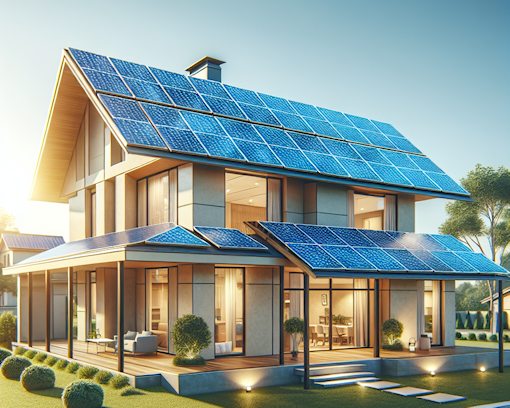
TL;DR: AI‑enhanced residential solar can reduce household carbon emissions by 40% and lower electricity bills by shifting storage to cheap, off‑peak rates.
Electricity demand in the United States returned to pre‑pandemic levels by the end of 2024, reviving pressure on homeowners to find savings. Solar panels already provide clean power, but without intelligent control they often operate below potential.
AI algorithms now monitor every watt a home generates and consumes. By learning daily routines—when occupants run dishwashers, charge electric vehicles, or heat water—the system aligns high‑energy tasks with peak solar output. The result is a tighter match between production and use, trimming overall consumption.
In regions that charge time‑of‑use rates, the AI decides when to fill home batteries during low‑price periods and when to discharge during expensive peaks. Homeowners see direct bill reductions as stored solar power replaces costly grid electricity exactly when rates surge.
Beyond scheduling, AI continuously scans panel performance. It spots subtle drops caused by shading, dust, or component wear, then alerts owners or service crews before a fault escalates. This proactive maintenance keeps arrays operating near their design efficiency.
Weather forecasts feed into the same engine. On cloudy days the system reserves more storage, while on sunny stretches it encourages higher‑energy activities, such as running a washing machine or charging a vehicle, to capture free solar power.
The combined effect can cut household CO₂ emissions by as much as 40%, according to recent estimates. Lower emissions stem from both reduced grid reliance and more efficient use of the solar energy already captured.
Adoption hurdles remain. Upfront costs, compatibility with existing hardware, and data‑privacy concerns slow widespread rollout. Yet manufacturers are integrating AI modules as standard features, and prices are falling as the technology matures.
For consumers, the promise is clear: a solar system that does more than generate power—it learns, adapts, and saves. As AI becomes affordable and interoperable, expect it to shift from premium upgrade to baseline component of residential solar.
What to watch next: Monitor utility rate structures and battery‑price trends, which will dictate how quickly AI‑driven solar becomes the norm in American homes.
Continue reading
More in this thread
Cape Verde’s Culture Minister Says AI Can’t Replace Authentic Sound, Calls for More Music Funding
Alex Mercer
Nvidia Poised to Outpace Alphabet as SpaceX IPO Nears
Alex Mercer
Musk Warns Looting Charity Would Undermine US Philanthropy While Pursuing $150B OpenAI Damages
Alex Mercer
Conversation
Reader notes
Loading comments...