AI‑Fitted Vehicles Set to Automatically Detect Potholes and Road Defects
Swedish tech uses car‑mounted AI to detect potholes, analysts critique the internet ad model, and a self‑taught coder releases an offline AI tutor.
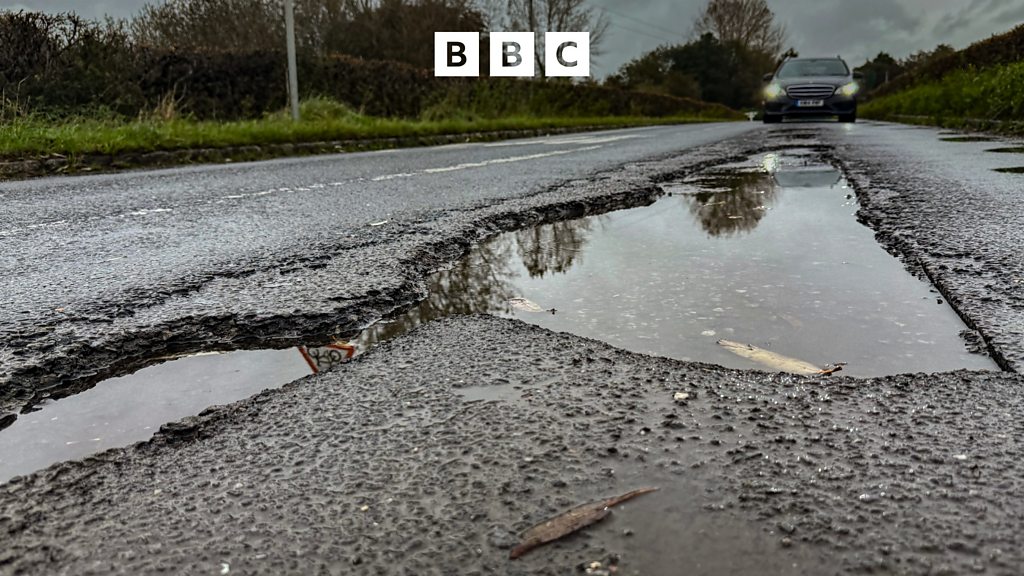
TL;DR A Swedish firm is installing cameras and AI in cars to spot potholes and road damage in real time. Meanwhile, analysts question the sustainability of today’s internet revenue model, and a self‑taught coder unveils an offline AI tutoring app.
Context Potholes cause vehicle damage and safety risks for drivers and cyclists. Traditional road inspections rely on manual surveys that are slow and costly. Automated detection could speed up repairs and reduce expenses. Pilot tests in Stockholm have shown the system can detect defects at speeds up to 50 km/h, with an accuracy rate above 90 percent. The data is transmitted via cellular networks to a cloud dashboard accessible by city engineers.
Key Facts - A Swedish company equips vehicles with forward‑facing cameras and AI software that analyses images to flag cracks, depressions, and missing signs. The system runs on the vehicle’s onboard processor and sends alerts to municipal maintenance teams. - Some observers argue that the prevailing internet business model, which relies heavily on advertising and data harvesting, is outdated and may need replacement by alternative revenue streams such as subscription services or micropayments. - A young entrepreneur, who learned to code without ever owning a personal computer, has built an AI‑driven teaching application that works without an internet connection, delivering lessons locally on a smartphone or tablet.
What It Means Real‑time pothole detection could shift road maintenance from reactive patch‑work to proactive scheduling, potentially saving municipalities millions of euros each year. Skepticism about the internet model suggests investors may start funding platforms that prioritize user privacy or direct payments over ad‑based monetization. The offline AI tutor shows that powerful machine learning can operate on modest hardware, opening education access in regions with poor connectivity. Authorities and tech firms will likely pilot similar sensor‑AI combos on public transport fleets, while policymakers watch for new internet‑revenue frameworks and educators assess low‑bandwidth AI tools. Challenges include varying lighting conditions, weather obstruction, and the need for standardized data formats across municipalities. Addressing these issues will determine how quickly the technology scales.
Continue reading
More in this thread
Conversation
Reader notes
Loading comments...