AI Companies Lease Over 450,000 Sq Ft in London, Tenfold Year‑on‑Year Rise
AI companies have leased over 450,000 sq ft of London office space in a month, a ten‑fold rise year‑on‑year, indicating sector maturation.
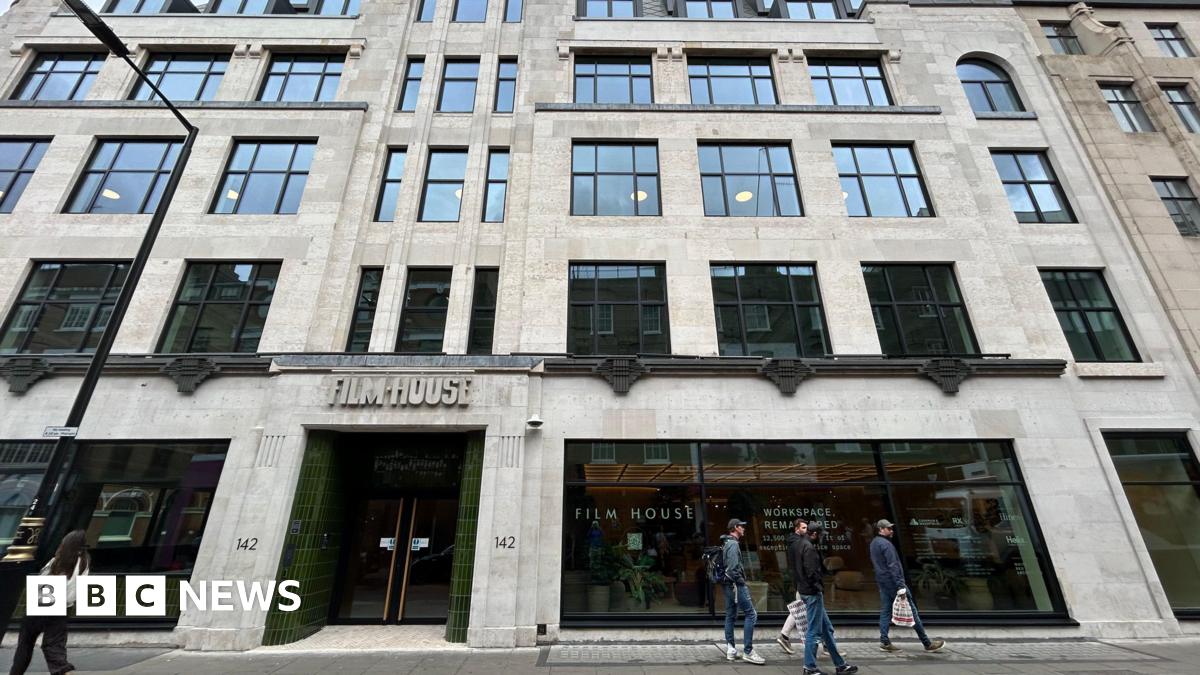
Exterior of office building WITH people outside beside Film House sign
TL;DR
AI firms leased over 450,000 sq ft of London office space last month, a ten‑fold jump from the previous year, marking a sector‑wide expansion.
Context London’s office market has been reshaped by the rapid growth of artificial‑intelligence companies. While overall vacancy rates remain above pre‑Covid levels, premium buildings with large floor plates are in short supply. The city’s Knowledge Quarter around King’s Cross and Euston, known for its links to Cambridge and local universities, has become a focal point for these firms.
Key Facts - In the past twelve months, AI‑focused firms have leased more than ten times the office space they did in the preceding year. - The most recent month saw leases totaling over 450,000 sq ft, compared with an average of 40,000 sq ft across 2025. - Nearly half of the deals were for premises near King’s Cross and Euston stations, areas that host DeepMind, Google, Meta and Microsoft. - Patrick Scanlon, senior director of market analytics at real‑estate data firm CoStar, described the surge as a “graduation moment” for the sector and warned against labeling it a bubble. - Scanlon noted strong latent demand from AI firms and highlighted the continued importance of a physical office as a brand statement and knowledge‑exchange hub.
What It Means The leasing boom suggests AI companies are moving from short‑term, flexible setups to longer‑term, flagship locations. By securing space in high‑profile districts, firms signal confidence in London’s talent pool, venture‑capital ecosystem, and proximity to research institutions. The trend also hints at a growing need for collaborative environments despite the rise of remote work.
Looking Ahead Watch for further concentration of AI talent in the King’s Cross corridor and for how the city’s office supply adapts to sustained demand from the sector.
Continue reading
More in this thread
Conversation
Reader notes
Loading comments...