AI Boosts Productivity, Reverses Three-Decade Inflation Trend, Says Cathie Wood
Cathie Wood says AI-driven productivity is ending a three-decade inflation pattern, pointing to a shift toward deflation in the U.S. economy.
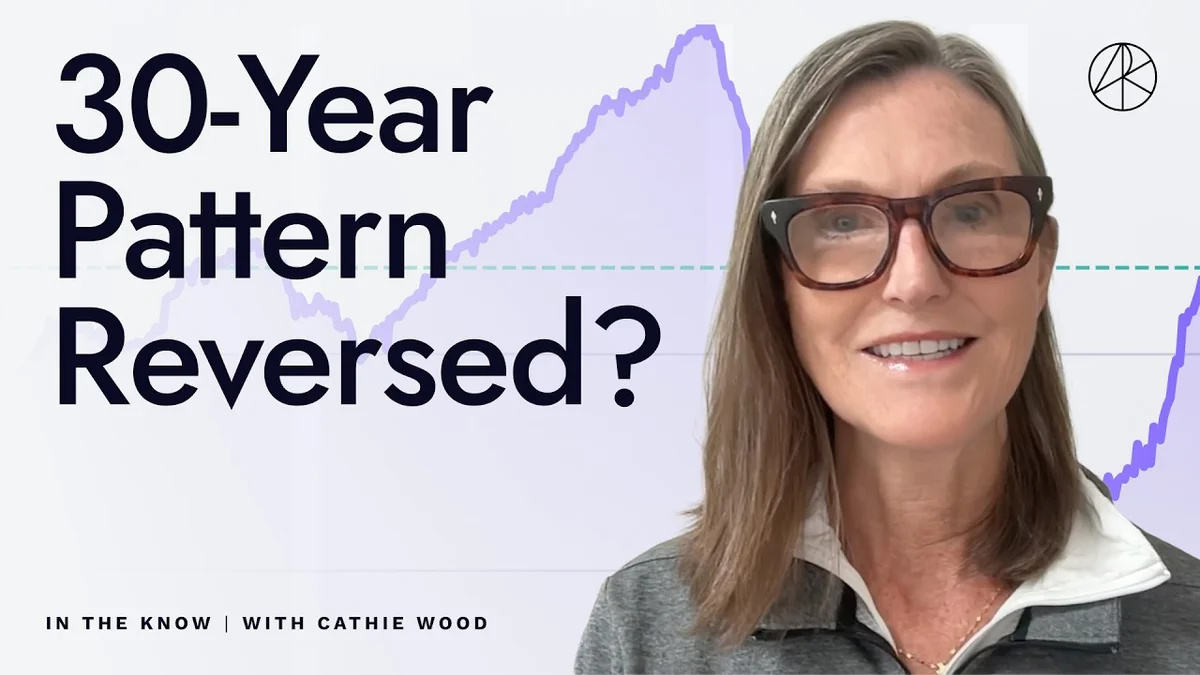
Cathie Wood: Inflation Reversal & AI’s Deflationary Power
TL;DR
AI‑powered productivity gains are ending a three‑decade inflation cycle, according to ARK Invest founder Cathie Wood.
Context In a recent interview on *In The Know*, Wood examined the macro backdrop of the United States economy. She noted that while headline employment numbers appear mixed, deeper data points to robust underlying strength. The discussion centered on how rapid advances in artificial intelligence (AI) and related technologies are reshaping cost structures across industries.
Key Facts - Wood asserted that a 30‑year economic pattern—characterized by persistent inflation—is now reversing. - She described a transition from an inflationary environment, where prices rise, to a deflationary one, where prices fall or stabilize due to lower production costs. - The catalyst, Wood argued, is a surge in productivity driven by AI and other technological breakthroughs. AI tools automate routine tasks, optimize supply chains, and accelerate product development, allowing firms to produce more output with fewer inputs.
What It Means If AI continues to lift productivity, companies could lower unit costs without sacrificing quality. Lower costs may translate into reduced consumer prices, easing pressure on the Consumer Price Index, the metric the Federal Reserve watches to set interest rates. A sustained deflationary tilt could prompt the Fed to pause rate hikes or even consider cuts, altering borrowing costs for households and businesses.
For investors, the shift suggests a re‑weighting of sectors. Firms that embed AI into operations may outperform, while traditional, labor‑intensive industries could face margin compression. ARK’s own portfolio, which favors disruptive tech, may benefit from the trend Wood highlighted.
Consumers could see cheaper goods and services, but wages may not keep pace if automation displaces workers faster than new roles emerge. Policymakers will need to balance the gains in efficiency with potential labor market disruptions.
Looking Ahead Watch upcoming productivity reports and AI adoption metrics for signals on whether the deflationary momentum gains durability. The next Federal Reserve meeting will reveal how policymakers interpret these emerging trends.
Continue reading
More in this thread
DigitalOcean Shares Jump 40% as AI Revenue Soars 221% and 2027 Growth Target Rises to 50%
Elena Voss
US Biofuel Rules Tighten as Renewable Volume Obligations Rise, Industry Calls for Mandates
Elena Voss
Lime Files Nasdaq IPO to Eliminate Debt as Bird’s Collapse Lingers
Elena Voss
Conversation
Reader notes
Loading comments...