African Startup Funding Set to Top $1 Billion in H1 2026
African startup funding is projected to exceed $1 billion in the first half of 2026, driven by fewer but larger Series A‑C deals as early‑stage investment slows.
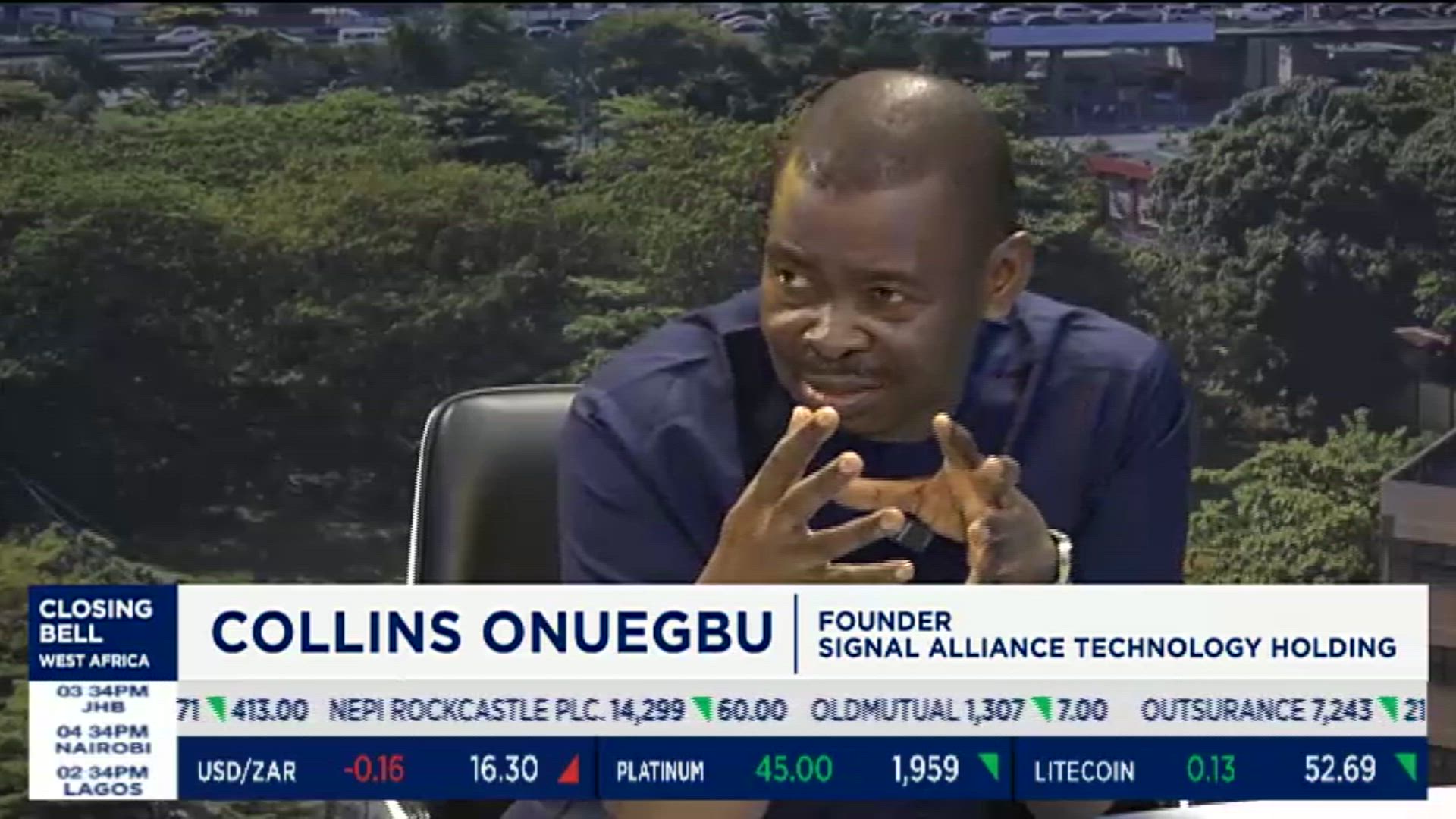
Onuegbu: Africa to cross $1bn in start-up funding in H1'26 - Video thumbnail
TL;DR
African startup funding is on track to exceed $1 billion in the first half of 2026, driven by fewer but larger deals.
Context
Onuegbu, founder of Signal Alliance Technology Holdings, said the market has fundamentally changed. He noted that investors are now directing capital toward Series A, B and C rounds rather than seed‑stage ventures. This shift reflects a preference for mature companies with proven traction and clearer paths to profitability. The change follows a period of rapid seed‑stage growth that saw many early deals but limited follow‑on funding. As angel investors seek stronger exits, they have become more selective about where to place new capital. Consequently, the flow of fresh seed deals has slowed while later‑stage rounds have grown in size.
Key Facts
African startups raised approximately $887 million across 84 deals in Q1‑Q2 2026. That figure already places the continent close to the $1 billion threshold for the half‑year. Onuegbu predicts the total will surpass $1 billion once the remaining deals close. The average deal size has risen sharply. In the comparable period of 2025, the market recorded 173 transactions totalling $803 million. By contrast, the first half of 2026 shows 84 deals but a higher aggregate amount, indicating larger checks per transaction. Most of the recent large rounds involve fintech, energy‑tech and climate‑related startups at Series A‑C stages. These sectors have attracted institutional investors looking for revenue quality and sustainable growth trajectories. Early‑stage ventures in the same fields have struggled to secure comparable funding.
What It Means
Later‑stage founders continue to find institutional money, while early‑stage startups face a tighter environment as angel investors wait for stronger exits before reinvesting. This dynamic creates a bifurcated ecosystem where mature companies can scale but nascent ideas struggle to get off the ground. Debt financing remains largely inaccessible to seed firms because lenders require assets, operating history and cash‑flow visibility that young companies often lack. Consequently, the pipeline that feeds future Series A and B rounds could thin if early‑stage activity does not recover. Investors warn that without a healthy seed stage, the continent may see fewer breakthrough innovations in the long term. Country‑level funding rankings may be skewed by a single blockbuster deal, so shifts in Egypt, South Africa, Morocco, Kenya or Nigeria should be interpreted with caution. Analysts advise looking at deal counts and sector distribution alongside headline totals to gauge true market health.
What to watch next
Monitor whether angel networks begin to show renewed activity and whether African‑built AI applications can attract the global investor focus that is currently shifting toward artificial intelligence. Additionally, watch for any policy changes that could ease access to debt for early‑stage ventures, as such measures might rebalance the funding pyramid.
Continue reading
More in this thread
Conversation
Reader notes
Loading comments...