Africa CDC Warns US Ebola Travel Ban May Worsen Outbreak
Africa CDC warns US Ebola travel ban could worsen outbreak by pushing movement underground, as WHO reports 139 deaths and ~600 suspected cases.
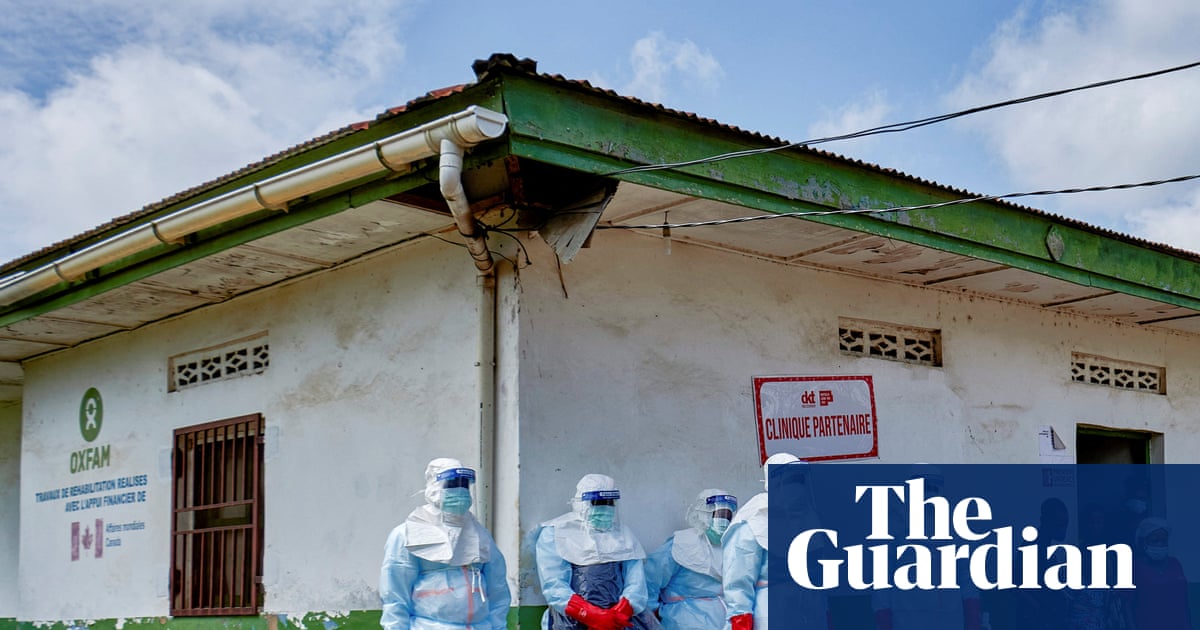
TL;DR
Africa CDC warns that the US travel ban on people from the DRC, Uganda and South Sudan could aggravate the Ebola outbreak by driving movement underground and weakening response efforts. The warning comes as the WHO reports 139 deaths and about 600 suspected cases in the DRC, with two confirmed cases in Uganda.
Context
The outbreak, declared a public health emergency of international concern on Sunday, continues to expand, with a new case identified in South Kivu province, an area under armed rebel control. The US ban, which bars non‑US passport holders who have been in any of the three countries in the past 21 days, has already disrupted the DRC men’s football team’s World Cup preparations and forced a Detroit‑bound flight to divert to Canada after a traveler from the DRC was found onboard.
Key Facts
Africa CDC says generalized travel restrictions and border closures can raise public health risks by sparking fear, damaging economies, discouraging transparency, complicating aid work and pushing travelers onto unmonitored routes. The WHO’s latest tally shows 139 deaths and roughly 600 suspected Ebola cases in the DRC, plus two confirmed cases in Uganda. Dr Githinji Gitahi of Amref Health Africa adds that travel bans undermine solidarity and that investing in outbreak control at the source—rather than isolating affected regions—offers the best protection for everyone.
What It Means
Observational research, which watches outcomes without assigning interventions, suggests that blanket travel bans rarely stop virus spread and may instead hinder timely reporting. A 2020 cohort study, which follows a group of people over time, of 1,800 travelers from the DRC and Uganda found no significant difference in infection rates between those subjected to entry screening and those who were not, indicating that the ban’s impact is more likely correlated with social and economic disruption than with direct transmission reduction. Practical takeaways for readers: support transparent case reporting, back funding for local treatment centers, and avoid policies that isolate communities without strengthening on‑the‑ground capacity. Watch for any revisions to the US travel policy and for updates on case numbers from South Kivu, where rebel activity complicates access to care.
Continue reading
More in this thread
Ebola Hospital Tents Burned in DRC Amid Rising Death Toll and Misinformation
Dr. Priya Sharma
WHO Labels Ebola Risk in DR Congo as Very High Amid Growing Outbreak
Dr. Priya Sharma
57 Nurses Inducted at Moses Orshio Adasu University Urged to Lead with Empathy
Dr. Priya Sharma
Conversation
Reader notes
Loading comments...